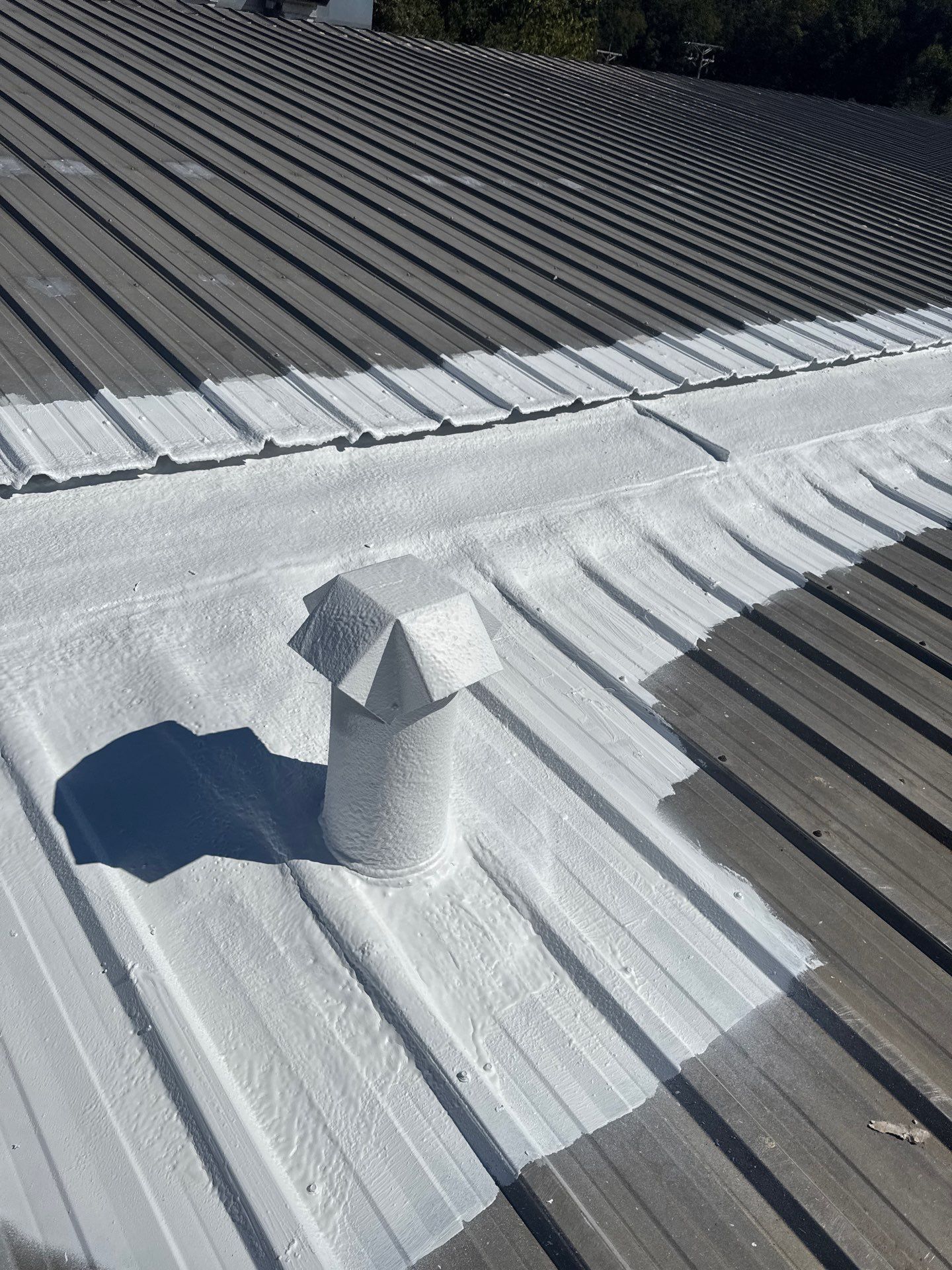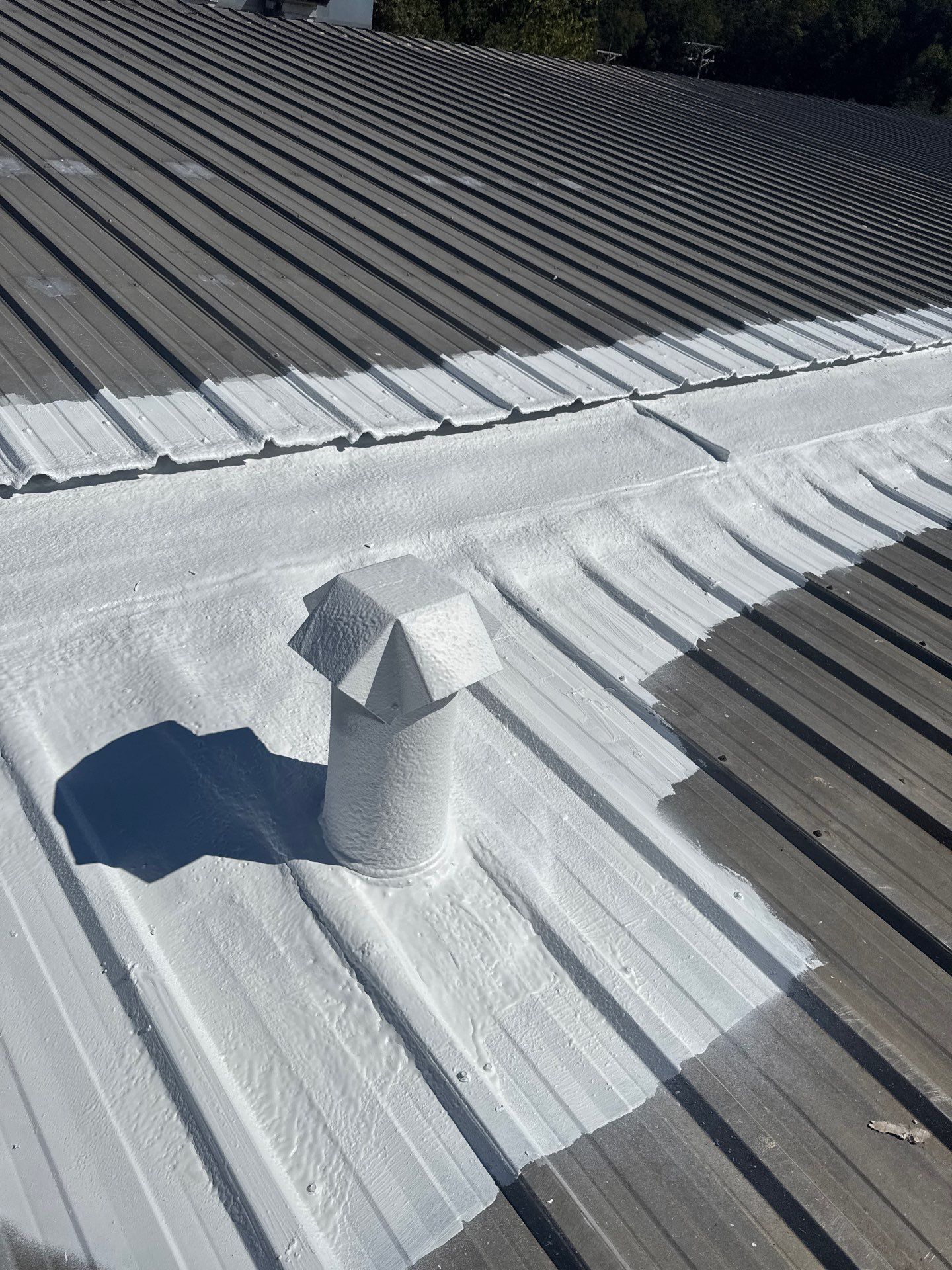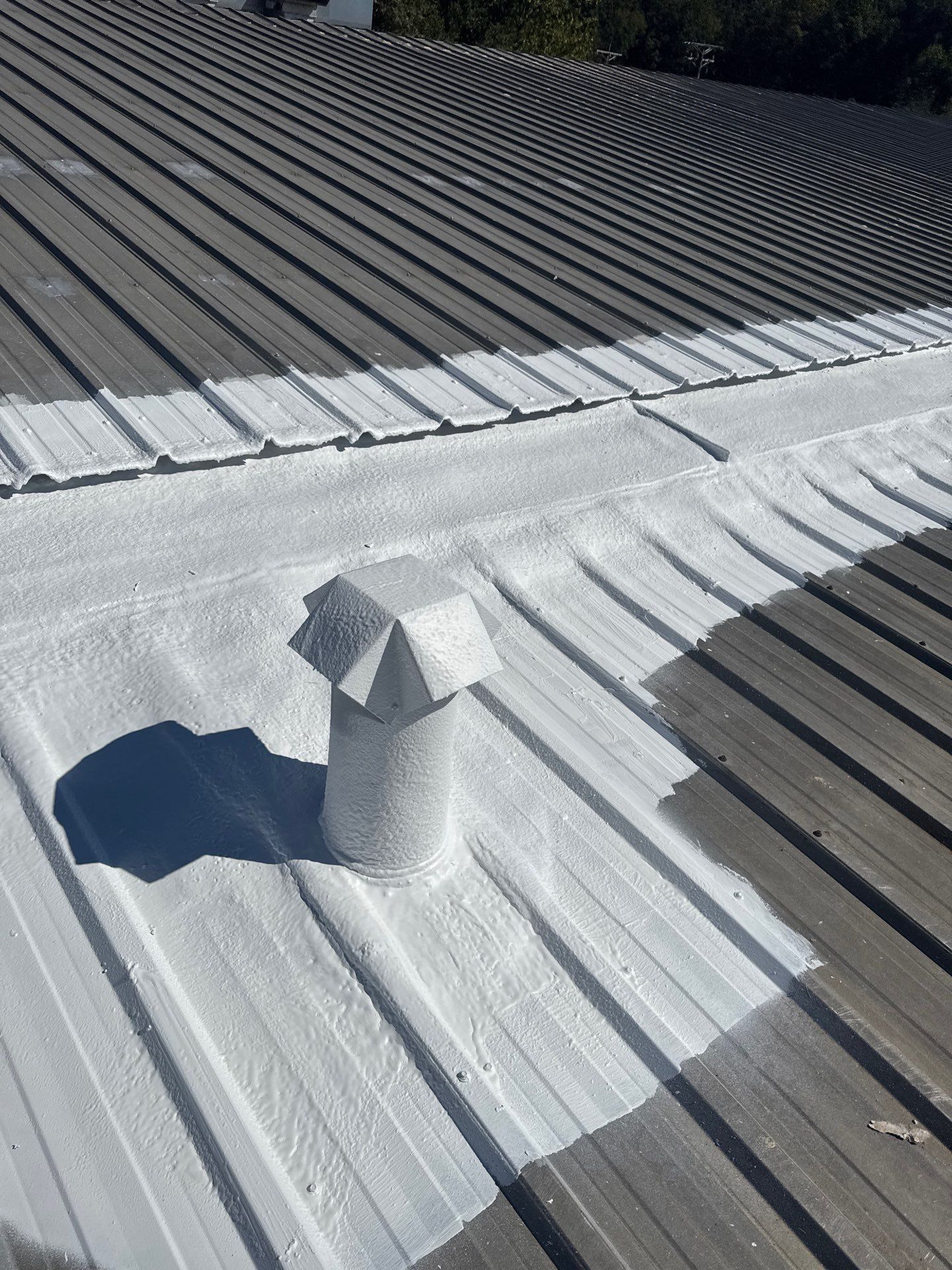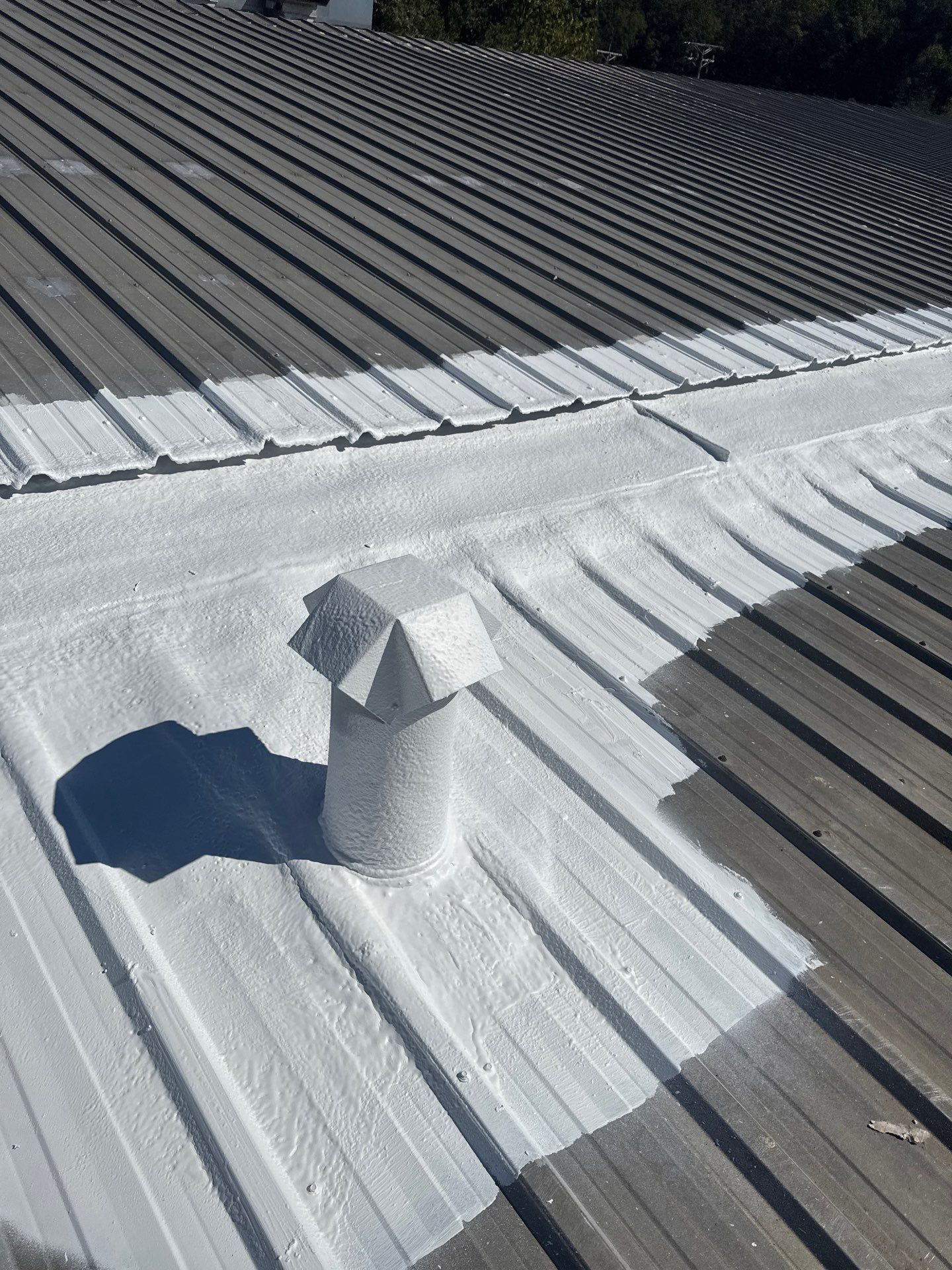

Lexington sits at the crossroads of business and manufacturing in Davidson County, and if you own a commercial building here, you know how fast a neglected roof can turn into a liability. We just wrapped up a TPO roofing Lexington NC project that started like too many do — with years of patched-over problems finally catching up to the building owner. If your commercial roof is showing signs of age, this breakdown will walk you through what a proper TPO replacement actually involves and why cutting corners on materials always costs more in the long run.
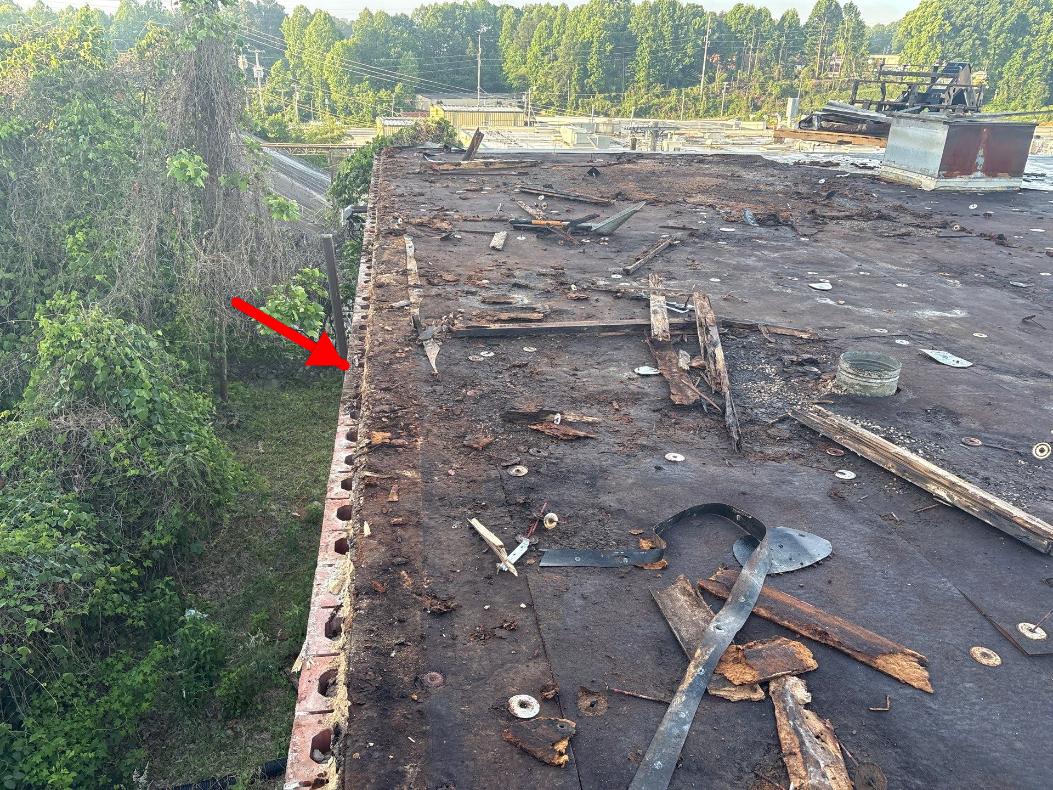
What We Found on This High Point Building
When we arrived for the initial inspection, the existing roof was a mix of old membrane, deteriorated fiberboard, and years of temporary fixes. We walked the roof with the property owner and identified several old ventilation fans, outdated chimney pipes, and an AC unit that needed removal. The owner wanted a cleaner roofline, which meant we could eliminate unnecessary penetrations that just create more leak points over time.
The real problem showed up once we started the tear-off. The fiberboard decking underneath had completely deteriorated in multiple areas. Fiberboard soaks up moisture like a sponge, and once it gets wet, it loses all structural integrity. We also found rotten wood along the roof edge where the drip edge fasteners had been pulling water into the decking for years. This is what happens when a roof gets band-aided instead of properly maintained.
We decided to leave the original roof membrane in place where it was still sound and focus our tear-off efforts on the damaged sections. Not every job allows for this approach, but when the existing substrate is stable, it saves time and reduces the risk of exposing the building interior to weather during the project.
Why TPO Roofing in Lexington NC Makes Sense for Commercial Buildings
Lexington gets hot summers and unpredictable spring weather. TPO membrane reflects heat, which keeps cooling costs down when your HVAC system is already working overtime. The white surface stays cooler than darker membranes, and that makes a measurable difference on a flat commercial roof baking in July sun.
TPO is also fully heat-welded at every seam. There’s no reliance on adhesives that can break down or tar patches that crack and trap moisture. When we weld those seams, we’re creating a watertight bond that’s stronger than the membrane itself. That’s not marketing talk — that’s how the material actually performs.
We’ve installed TPO on manufacturing facilities, retail centers, and office buildings throughout Davidson County. It holds up to foot traffic during maintenance, resists punctures better than older single-ply systems, and doesn’t require the kind of constant patching that eats into your maintenance budget year after year. Our TPO Roofing services focus on proper installation from the substrate up, because the membrane is only as good as what’s underneath it.
The TPO Roofing Process: How We Completed This Lexington-Area Project
Every project starts with material staging. We had the TPO membrane, ISO board, fasteners, and trim delivered to the site, and we spent time counting and organizing everything before we touched the existing roof. You don’t want to tear off a section and then realize you’re short on materials to close it back up that same day. Water infiltration during construction is a fast way to turn a roof project into an interior restoration nightmare.
We pulled permits, coordinated with the building owner on access and timing, and laid out our eight-day timeline with a crew of five technicians. Here’s how the work actually happened:
Day 1-2: Tear-Off and Deck Repair
We removed the old ventilation fans, chimney pipes, and the outdated AC unit. Then we started selective tear-off in the areas where the roof deck was compromised. All that rotten fiberboard came out and we replaced it with ISO board — a rigid insulation that doesn’t break down when it gets wet. ISO board gives you thermal performance and a stable substrate for the new membrane. We also replaced the rotten edge wood along the drip edge and reinforced the areas where we’d removed old equipment with new plywood.
Day 3: New AC Curbs
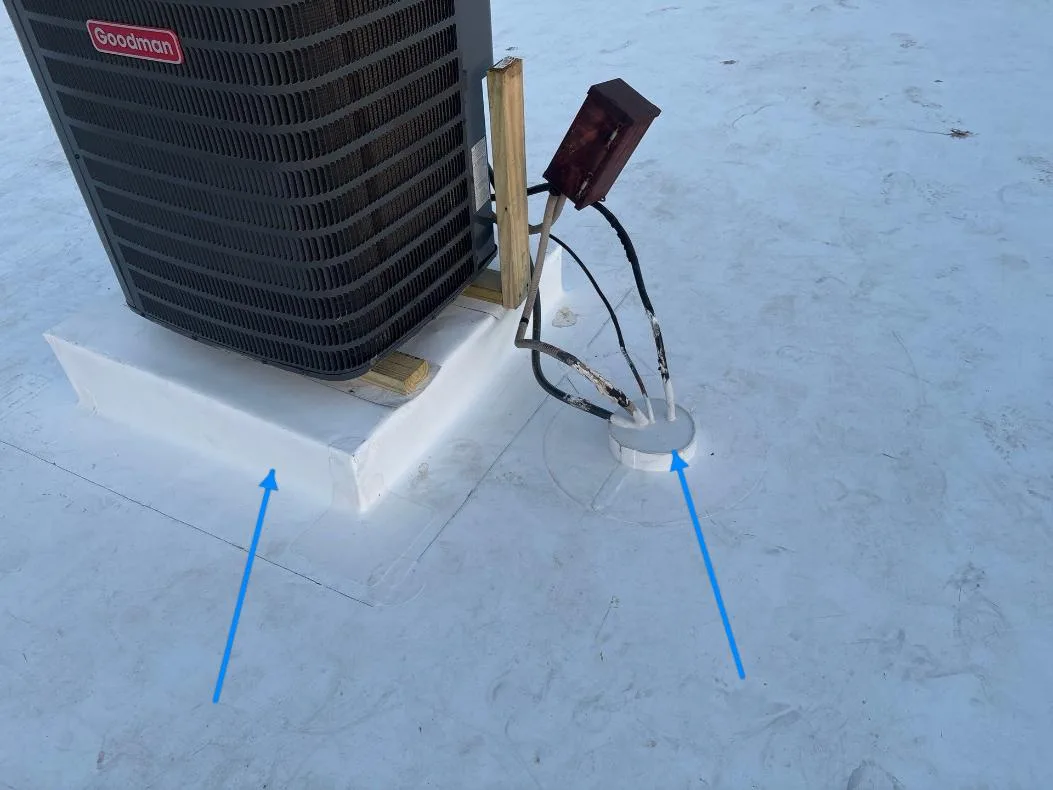
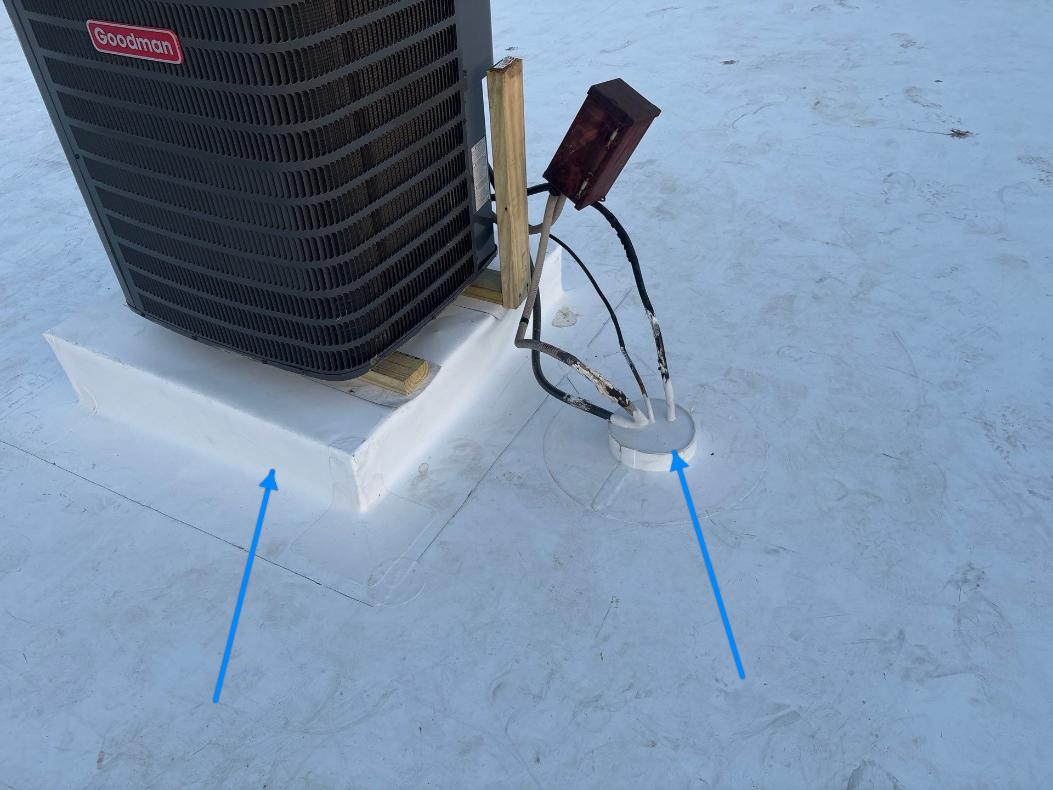
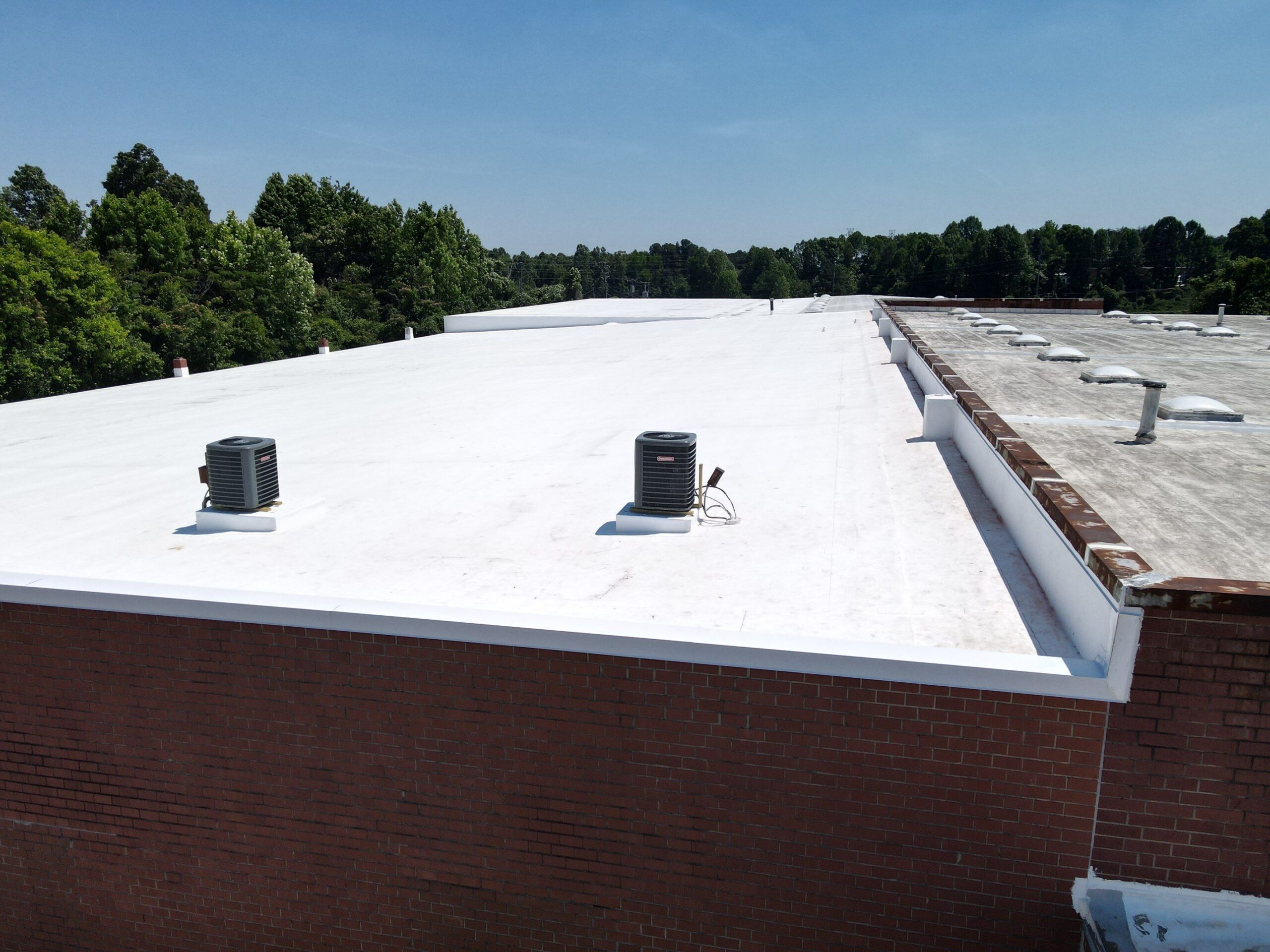
The smaller AC units were sinking into the old insulation from vibration and their own weight. We built new curbs to lift them up off the roof surface. Proper curb height prevents ponding water around the units and gives you a solid flashing detail that won’t leak two years down the road.
Day 4-6: TPO Installation
We rolled out the TPO membrane and let it relax in the sun. TPO shrinks and expands with temperature, so you need to give it time to settle before you start fastening. Then we stretched it tight to remove wrinkles and fastened it down with the proper spacing. Fastener placement matters — too few and the membrane can blow off in high winds, too many and you create unnecessary penetrations. We follow the manufacturer’s specs exactly, which is one reason our roofs pass inspection the first time.
Day 7: Seam Welding and Details
One crew worked the seams with hot-air welders while another crew handled the detail work — termination bars, pipe boots, curb flashing, and edge metal. Details are where most roof leaks start, so we don’t rush this part. Every penetration gets sealed properly, every termination gets mechanically fastened, and every seam gets tested.
Day 8: Final Inspection and Cleanup
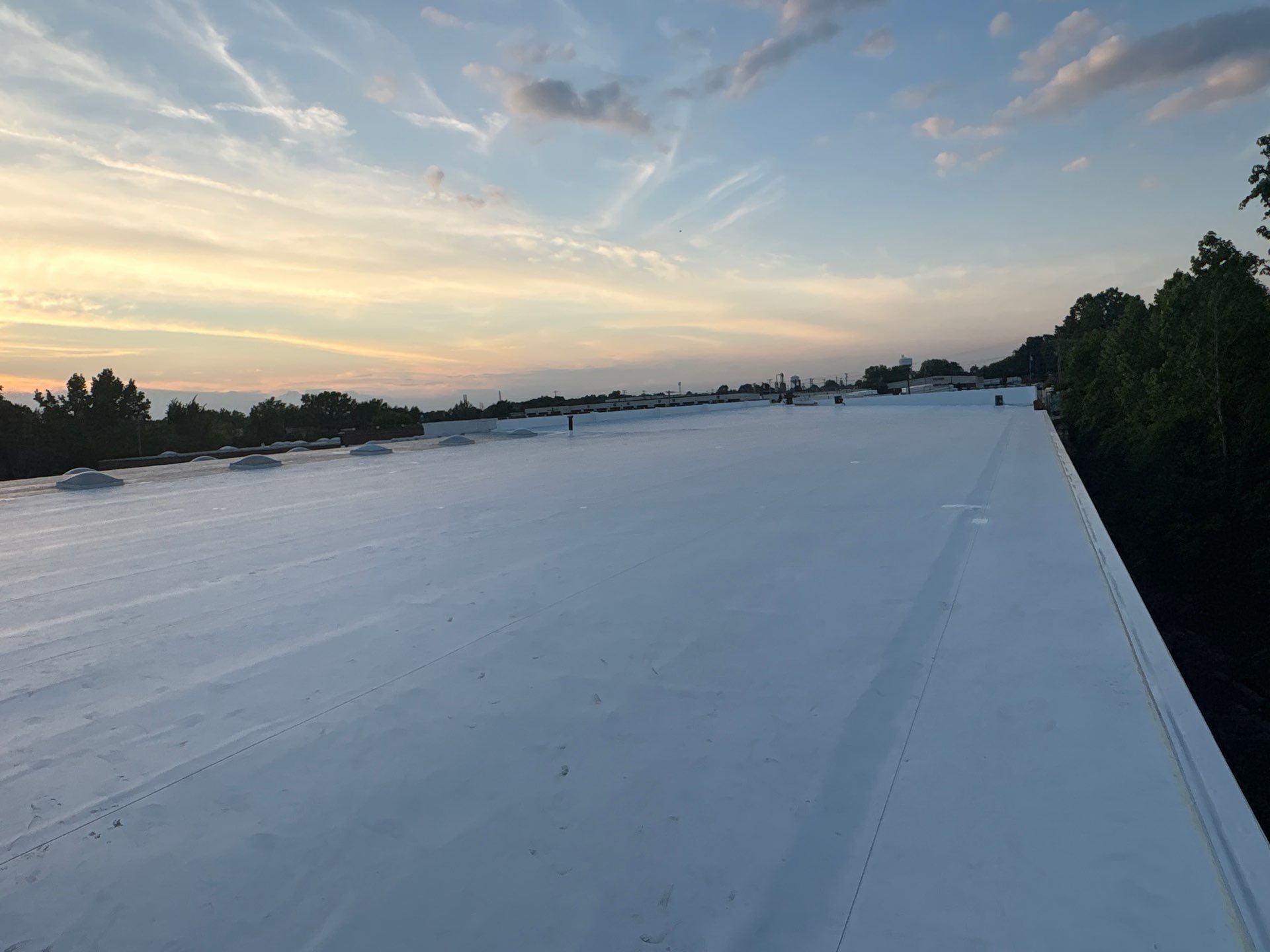
We walked the entire roof, checked every seam, cleaned up all debris, and did a final inspection with the building owner. The roof came out clean, watertight, and ready to protect the building for the next 20-plus years.
You can read the full case study to see how we handled the substrate failures and equipment upgrades on this specific project.
Signs You Need TPO Roofing Replacement in Lexington NC
Most building owners wait too long. They patch, they re-caulk, they throw tar at the problem, and by the time they call us, the decking is rotten and the project costs twice what it should have. Here’s what to watch for:
- Visible ponding water that sits on the roof more than 48 hours after a rain. Ponding accelerates membrane breakdown and usually means your roof slope is inadequate or your drains are clogged.
- Seam separation on existing single-ply roofs. If you can see gaps at the seams, water is already getting underneath.
- Soft spots when you walk the roof. This means the decking underneath is wet and deteriorating. The longer you wait, the more deck you’ll need to replace.
- Interior water stains on ceilings or walls. By the time you see water inside, the roof has been leaking for months or years. The insulation is soaked, and you’re likely looking at mold growth in the deck.
- Multiple layers of patches over the same areas. If you’re patching the same spots every year, the membrane is done and you’re just delaying the inevitable.
- Cracked or dried-out membrane around roof penetrations. HVAC curbs, pipe boots, and vent stacks are high-stress areas where the membrane gets the most wear.
- Equipment curbs sinking into the roof. This means the insulation underneath is breaking down from moisture or the weight of the unit. You need proper curbs and a solid deck to support rooftop equipment.
We recommend annual roof inspections at minimum for all commercial buildings. If you’ve got heavy tree coverage or a lot of HVAC equipment, make it twice a year. Catching problems early is always more cost-effective than emergency repairs after a storm.
Why Sunny Sky Roofing LLC for Commercial TPO Roofing in Lexington
We’re not the biggest roofing company in North Carolina, and we’re fine with that. Joe Yutzy built Sunny Sky Roofing on the idea that commercial roofing should be done right the first time, with no shortcuts and no surprises. We don’t subcontract our crews, we don’t disappear after the invoice is paid, and we don’t sell you a roof system that’s going to need repairs in five years.
Every project we take on gets the same level of attention whether it’s a small office building or a 50,000-square-foot manufacturing facility. We use quality materials from manufacturers like GAF and Johns Manville, we follow NRCA installation standards, and we warranty our work because we know it’s going to hold up.
We’ve been handling commercial roofing in Lexington and throughout Davidson County for years. Our crews know how to handle substrate failures, they know how to flash equipment properly, and they know how to keep your building watertight while we’re replacing the roof. That matters when you’ve got inventory, equipment, or employees inside.
We’re also easy to reach. You call our office, you talk to a real person who knows your project, and if there’s a problem, we show up and handle it. That’s how a roofing company should operate.
Frequently Asked Questions About TPO Roofing
How long does a TPO roof last on a commercial building?
A properly installed TPO roof will last 20 to 30 years depending on maintenance and environmental factors. Regular inspections and prompt repairs when small issues pop up will get you to the upper end of that range. Neglect and deferred maintenance will cut that lifespan short. We’ve seen well-maintained TPO roofs still performing strong after 25 years, and we’ve seen neglected ones failing at 12.
Can you install TPO over an existing roof?
Sometimes. It depends on the condition of the existing membrane and the deck underneath. If the deck is solid and dry, and the existing roof isn’t too heavily damaged, we can install TPO over it. That’s what we did on this High Point project. But if there’s rot, moisture in the insulation, or structural damage, you need a full tear-off. Covering up problems with a new membrane just traps moisture and accelerates decay. We’ll never recommend a recovery system if the substrate isn’t sound.
What’s the difference between TPO and EPDM rubber roofing?
TPO is heat-welded at the seams, which creates a stronger, more reliable bond than the adhesive or tape seams used with EPDM. TPO also reflects more heat because of its white surface, which can lower cooling costs. EPDM is a proven material and works well in many applications, but for commercial buildings in hot climates like ours, TPO usually makes more sense. Both systems will perform well if installed correctly — it’s really about the specific needs of your building and your budget.
How much does commercial TPO roofing cost in Lexington NC?
Every roof is different. The size of the building, the condition of the existing deck, the number of penetrations, the amount of equipment on the roof — all of that affects the final price. What I can tell you is that doing it right costs less than doing it twice. We focus on quality materials, proper installation, and long-term performance. If you want a number, contact us for a detailed estimate based on your specific building. We’ll inspect the roof, measure everything, and give you a clear breakdown of what the project involves.
Protect Your Lexington Commercial Property with Professional TPO Roofing
Your roof is the most important part of your building’s envelope. When it fails, everything inside is at risk — your inventory, your equipment, your operations, and your tenants. Don’t wait until you’re dealing with emergency tarps and water damage restoration.
Sunny Sky Roofing LLC handles commercial TPO roofing throughout Lexington and Davidson County. We’ll inspect your roof, explain exactly what it needs, and complete the work with a skilled crew that shows up on time and cleans up when they’re done.
Call us at 336-523-2103 to schedule a roof inspection for your Lexington commercial property. We’ll give you straight answers and a detailed proposal with no pressure and no surprises.