Winston-Salem commercial buildings take a beating from our humid summers and freeze-thaw cycles each winter. We’ve worked on everything from the older tobacco warehouses downtown to newer industrial buildings off Business 40, and one thing stays consistent: flat roofs need attention before small problems turn into major headaches. When we got the call about a failing flat roof in nearby High Point, the building owner was dealing with deteriorated decking and outdated equipment penetrations—the kind of issues we see regularly across the Triad. This job became a textbook example of why TPO roofing Winston-Salem NC business owners trust makes sense for long-term protection.
What We Found: Rotten Decking and Sinking AC Units
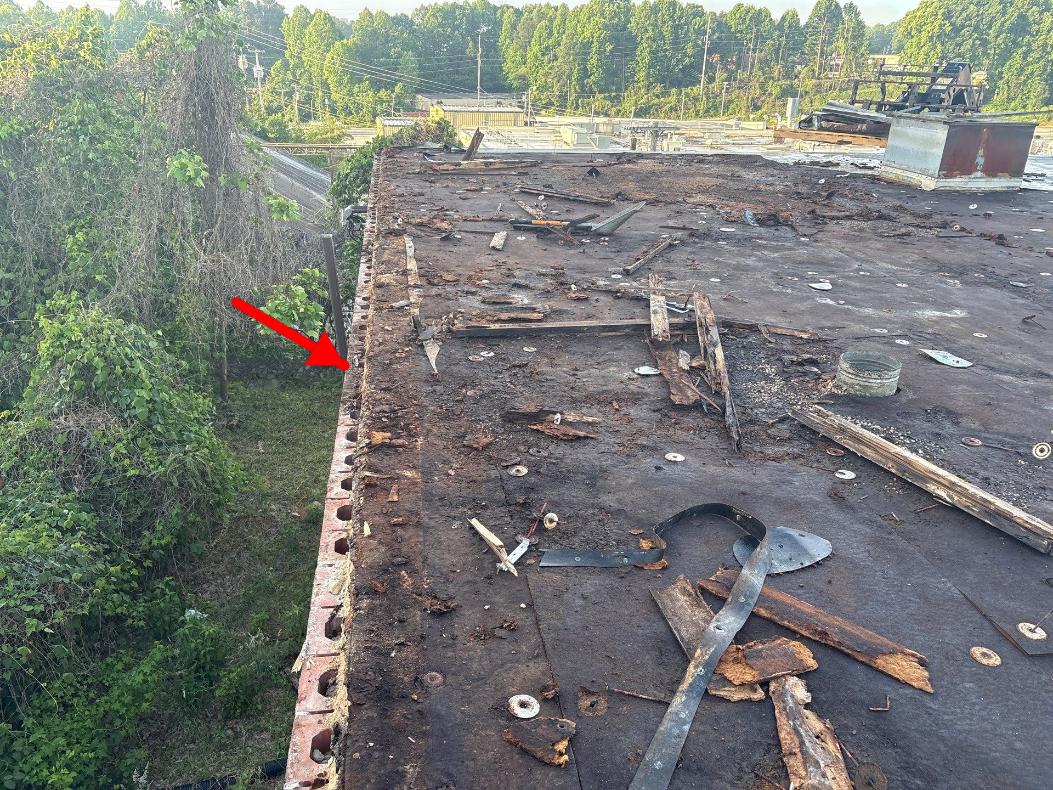
The existing roof had reached the end of its useful life. When we pulled back sections during the tear-off, we found extensive fiberboard damage. The material had completely deteriorated in areas—soft, crumbly, no structural integrity left. Moisture had been working its way through for years.
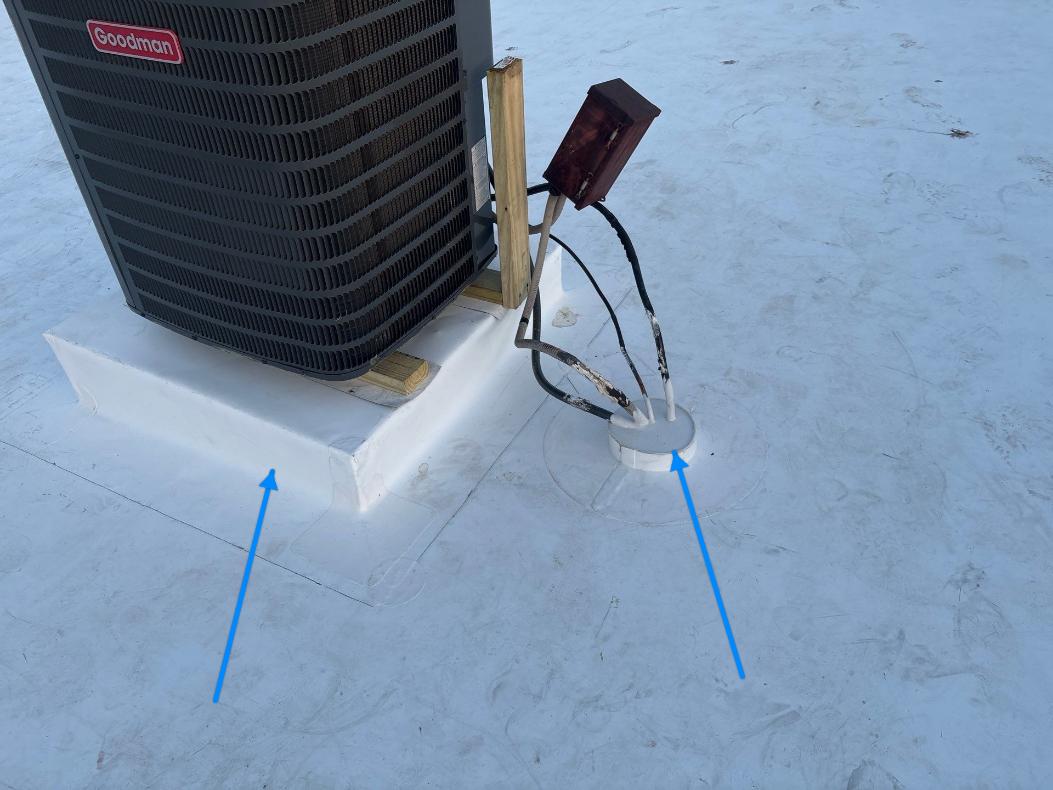
The AC units presented another problem. The original curbs had allowed the units to settle down into the insulation from constant vibration. Over time, this creates ponding around the equipment and accelerates membrane failure. We also identified several old ventilation fans, chimney pipes, and one completely outdated AC unit that the owner wanted removed. Each penetration is a potential leak point, so eliminating unnecessary ones made sense.
The edge wood where the drip edge fastened was rotten in sections. That’s common when water gets under the membrane perimeter and sits against the wood decking. Once that wood goes soft, you’ve got no solid attachment for your new roof system.
TPO Roofing Winston-Salem NC Properties Need: The Right Process Matters
We see a lot of commercial property owners in Winston-Salem delaying roof work because they’re worried about business disruption. Here’s the reality: a proper TPO roofing Winston-Salem NC installation protects your building for 20-plus years when done right, and it doesn’t shut down your operation.
This job took 8 days with a five-person crew. That’s faster than most building owners expect for this scope of work. The key is staging—we had materials delivered and counted before we touched the existing roof. Every item accounted for, staged where we needed it.
Our rule is simple: whatever we remove in a day, we cover back that same day. You’re never leaving work with an exposed roof deck overnight. Water infiltration during construction causes more problems than the original roof failure sometimes, and we won’t risk that with your building.
The Process: From Tear-Off to Watertight in Eight Days
We started with material staging and a full count-through. TPO membrane, ISO board for deck replacement, fasteners, flashing materials, new curb materials—everything lined up before day one of tear-off.
On this specific job, we left the original roof system in place where the decking was sound. Not every roof gets this approach—it depends on what we find during our inspection. But where the existing system provided a solid substrate, we built on top of it. Where the fiberboard had deteriorated, we removed it completely and replaced it with ISO board.
ISO board is rigid, dense, and holds up far better when moisture does find its way in. Fiberboard turns to mush. ISO maintains structural integrity. That difference matters over a 20-year lifespan.
We removed the outdated AC unit and all the unnecessary penetrations the owner identified. Then we built new curbs under the remaining small AC units to lift them properly off the roof surface. Those curbs prevent the settling and ponding issues the previous installation suffered from.
Every hole where we removed equipment got reinforced with plywood as needed. You can’t just patch over a large opening—you need solid backing for your membrane and fastener pattern.
The TPO installation itself follows a specific sequence. We roll out the membrane and let it relax in the sun for a few minutes. TPO contracts when it’s cold and expands in heat. Letting it acclimate means we can stretch it tight and remove the majority of wrinkles before we fasten it down.
Fastener spacing matters. Too few fasteners and you risk blow-off in high winds. Our crew runs the fastener pattern according to manufacturer specs and local wind load requirements. Once the field of the roof is fastened, we move to details—all the terminations, penetrations, and edge work that actually keeps water out.
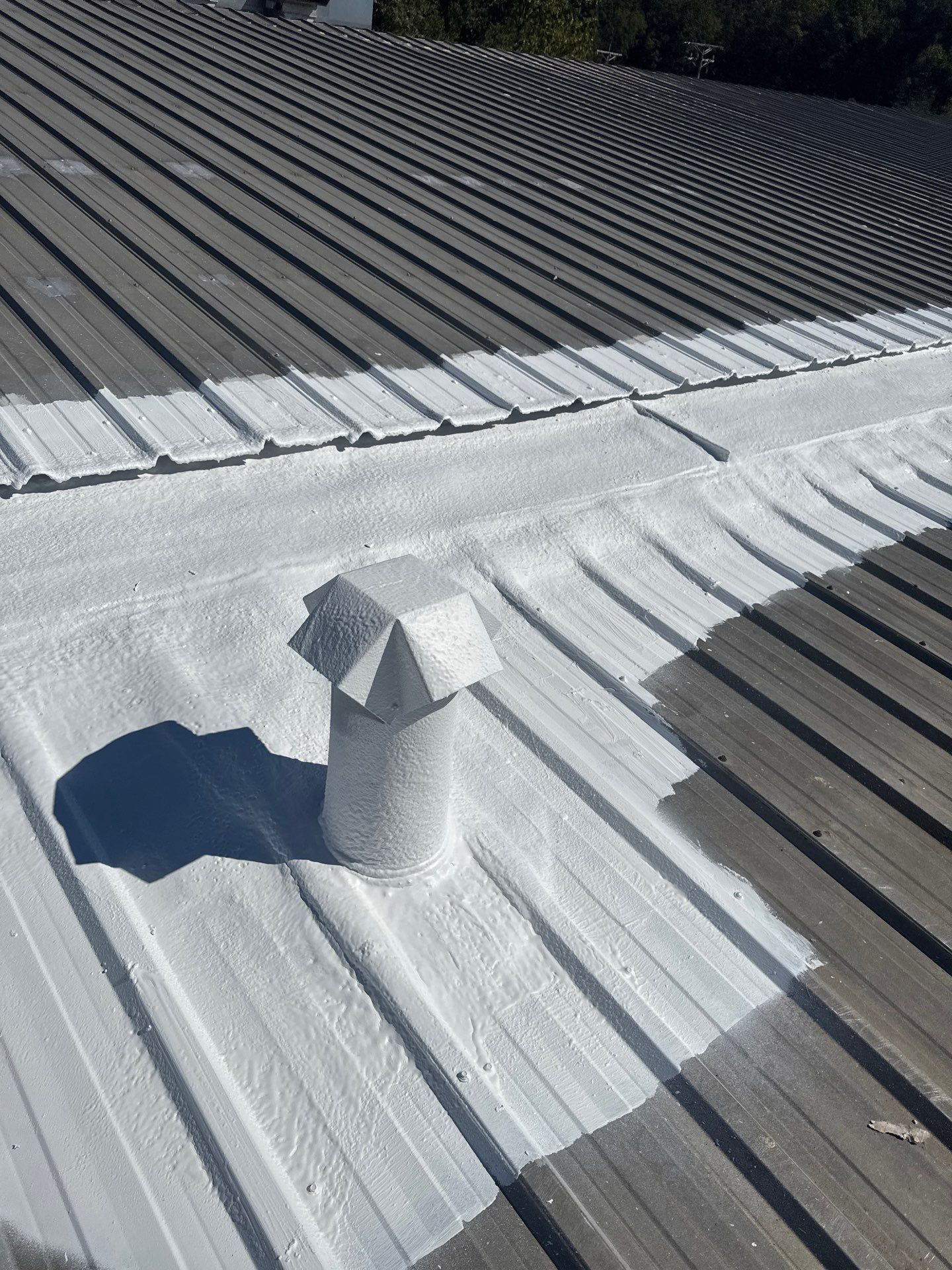
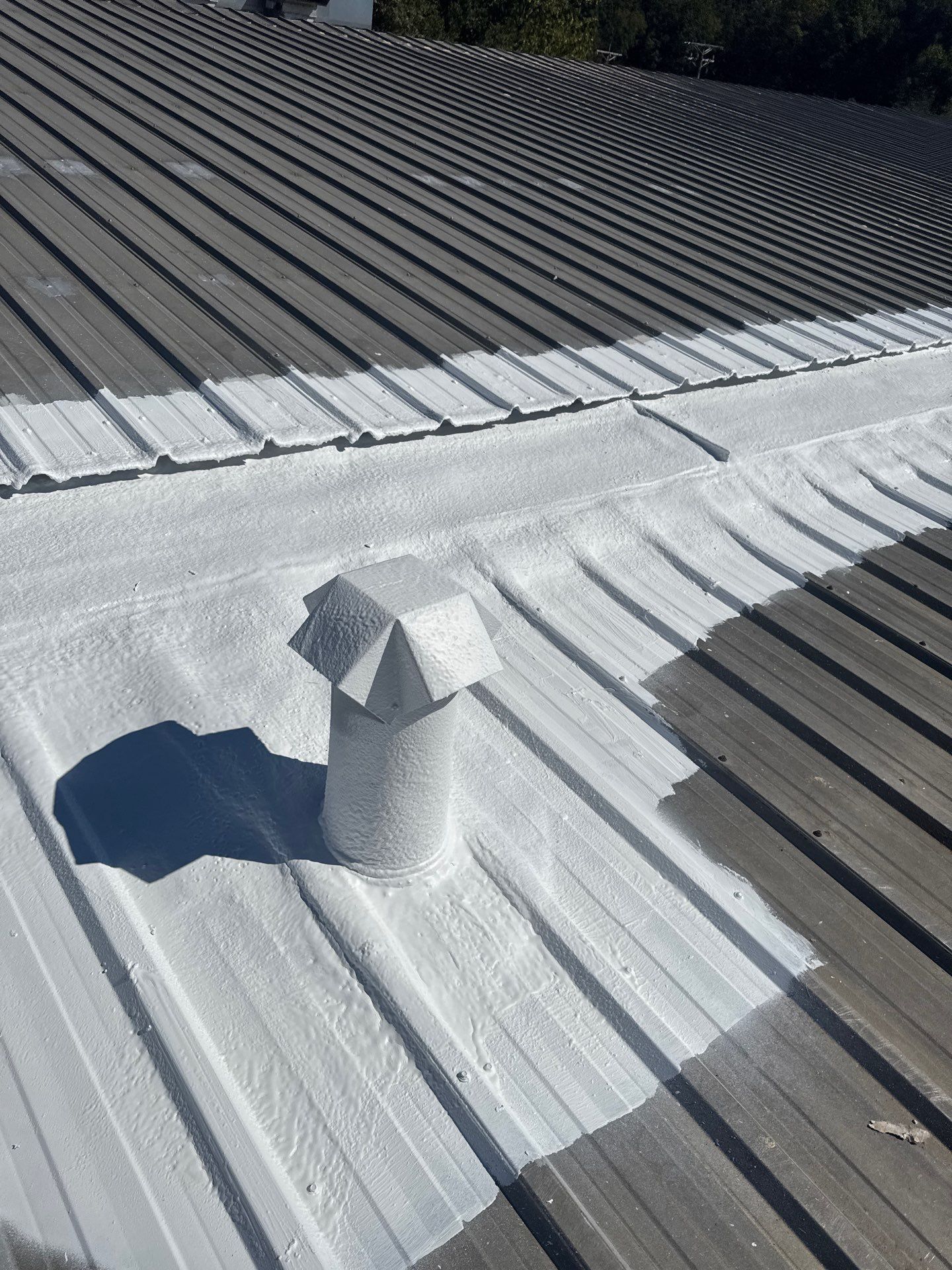
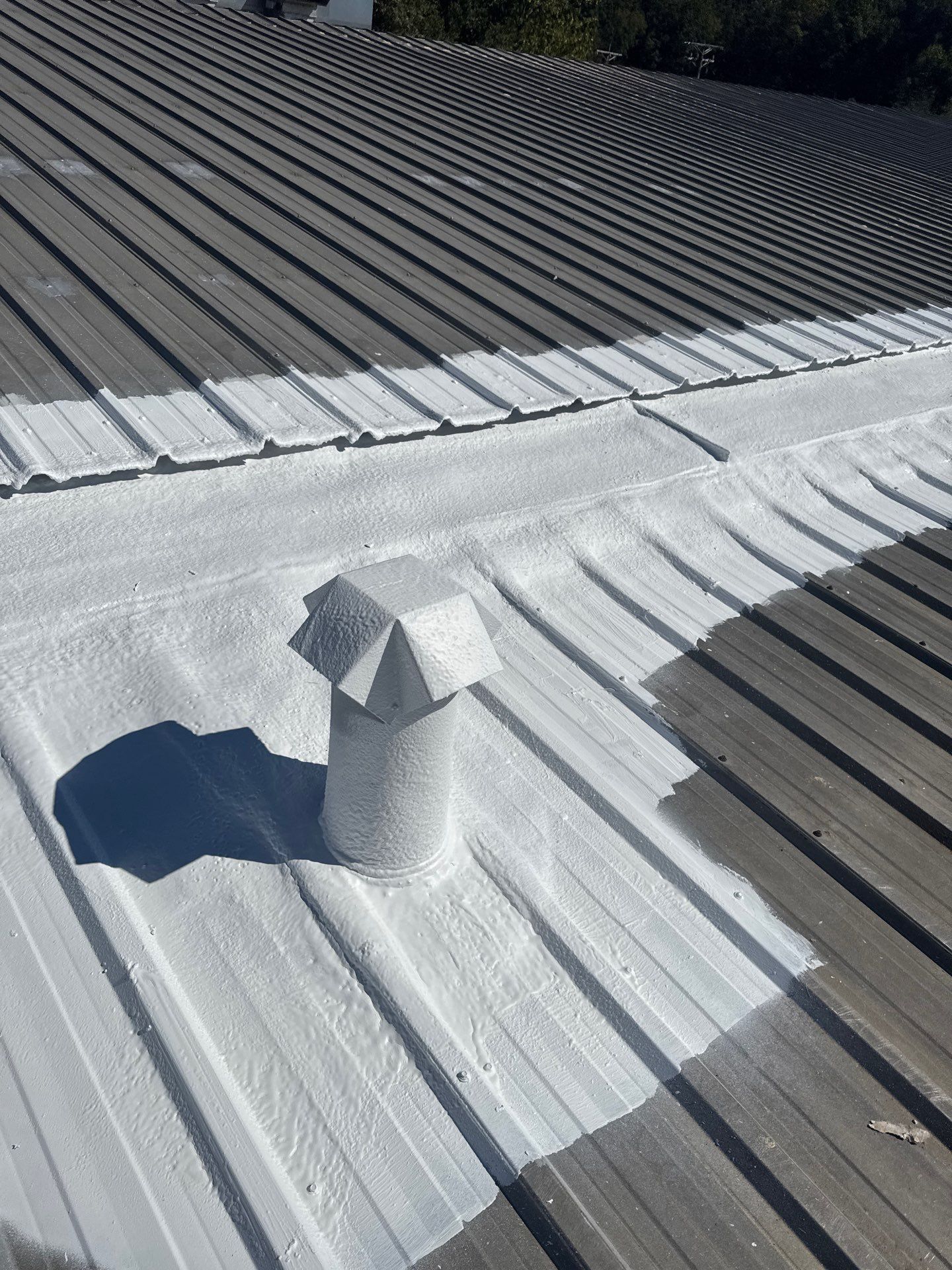
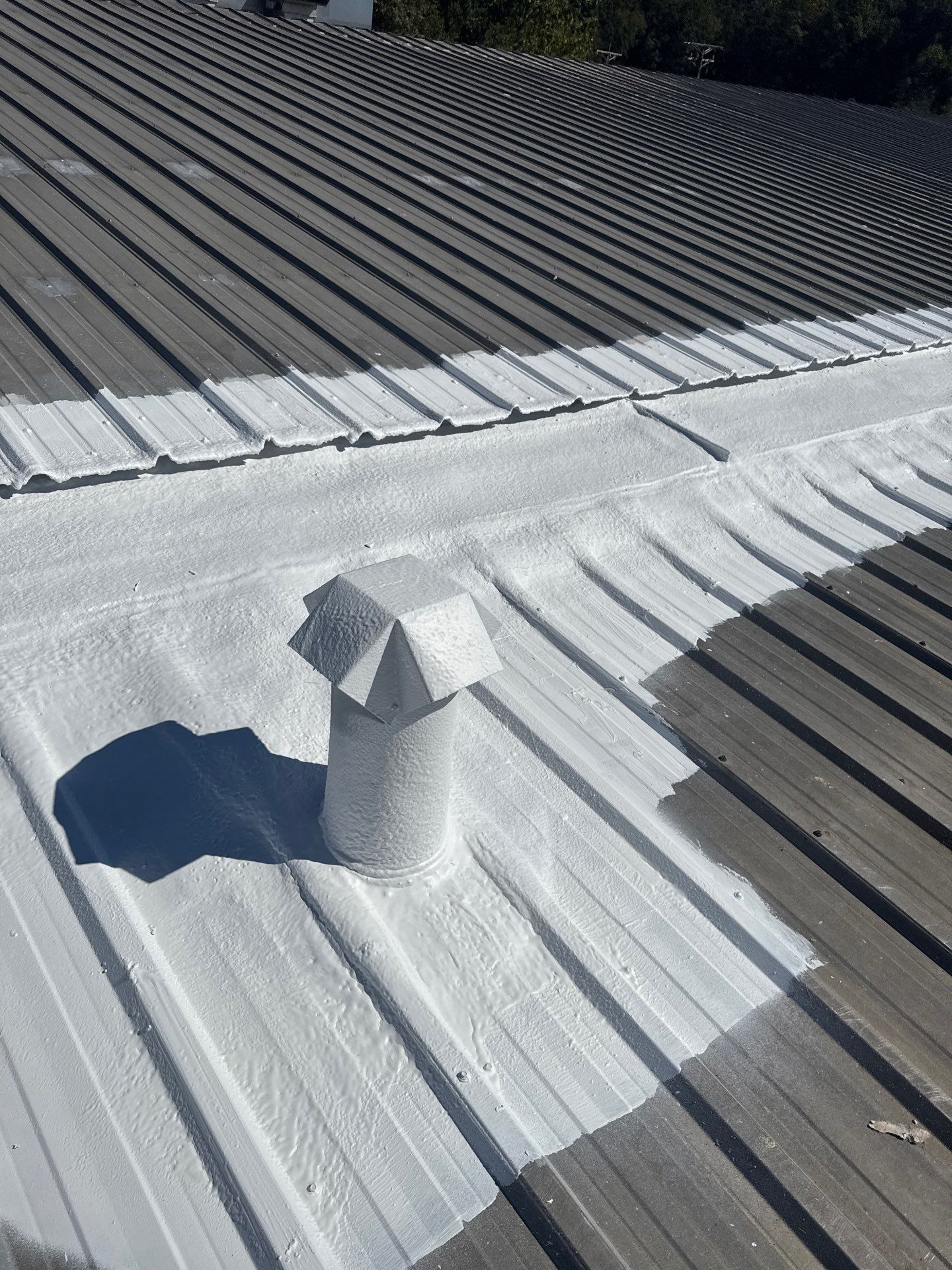
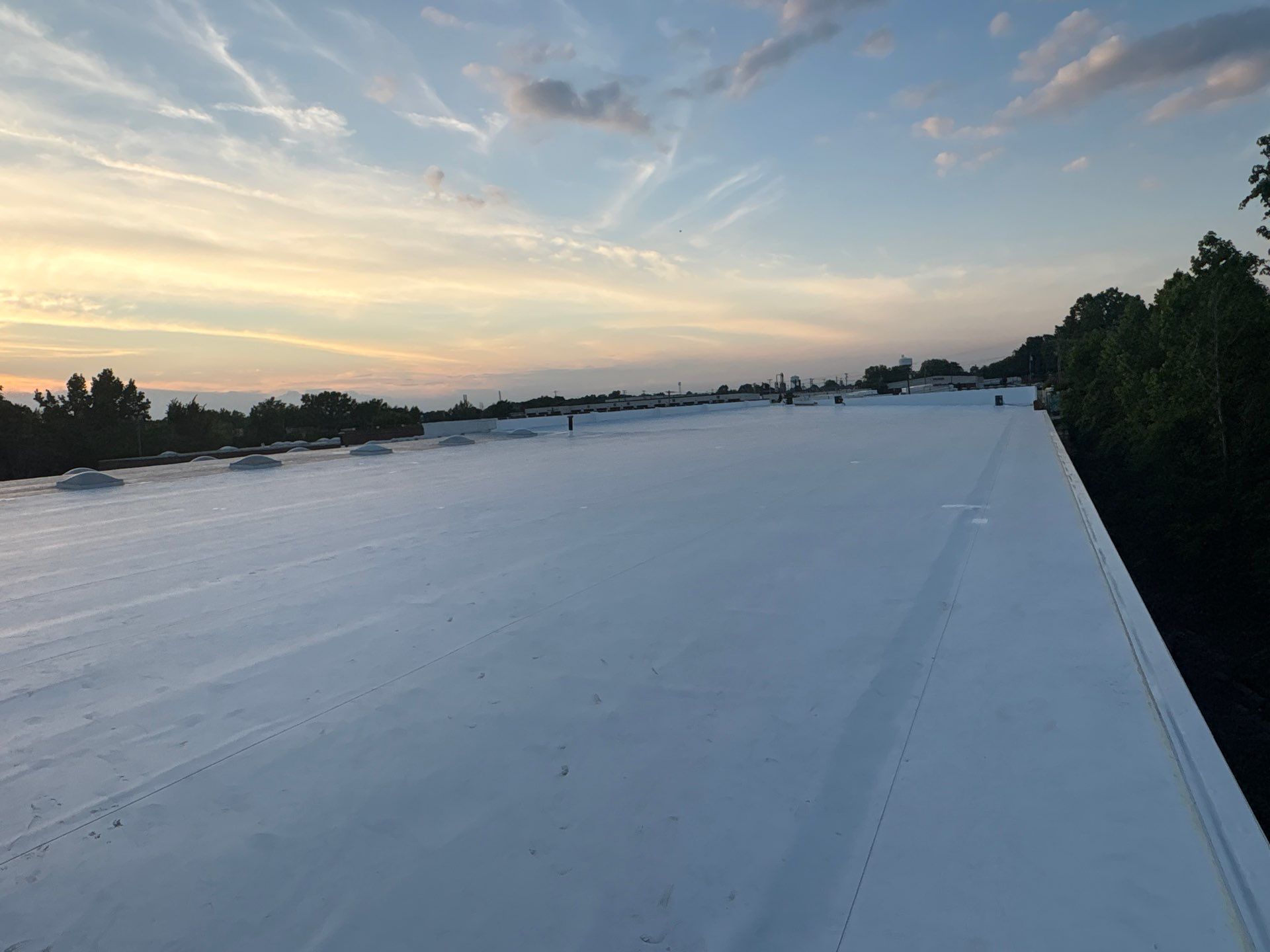
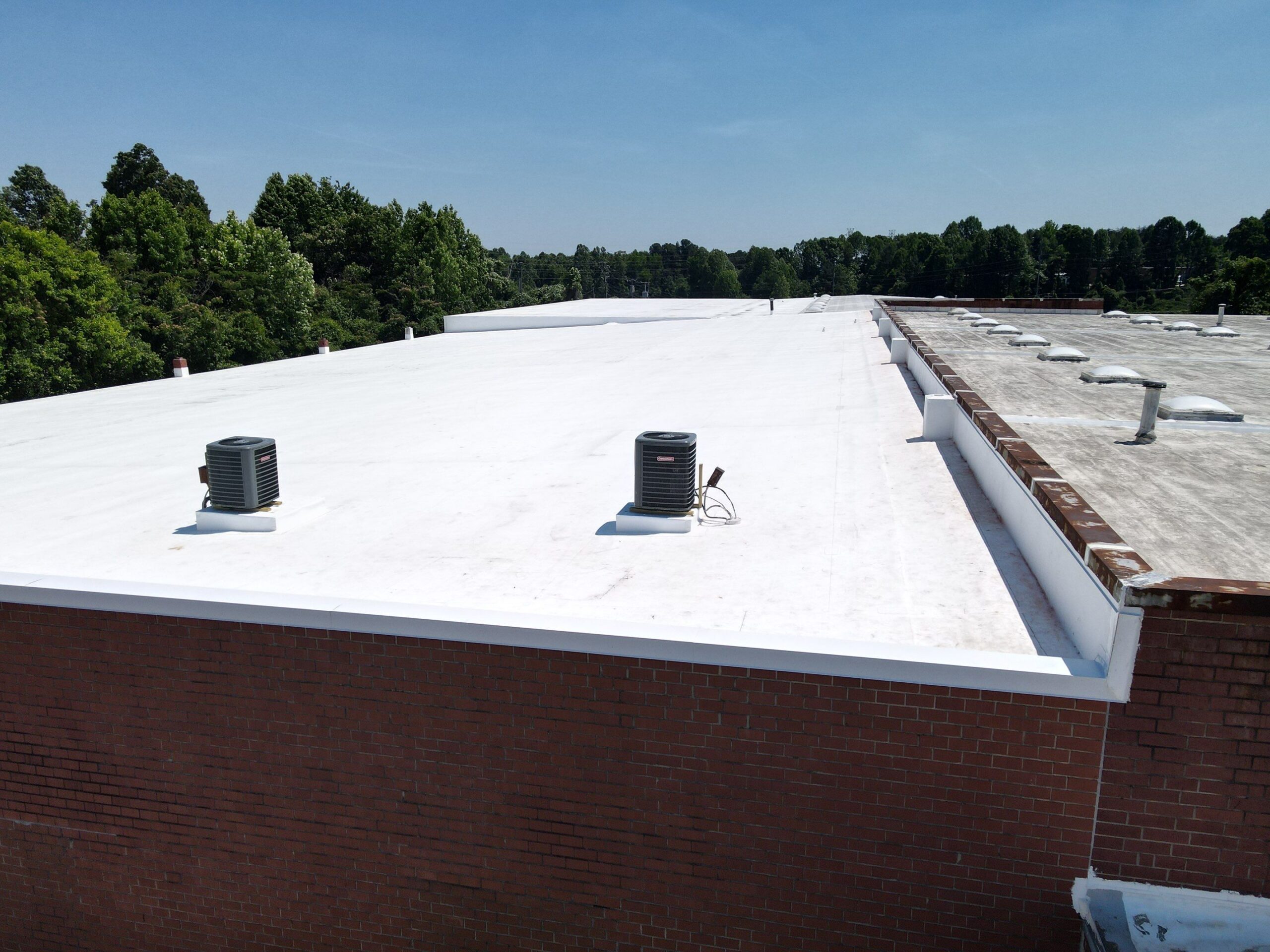
You can see the full progression in our project photos. We documented everything from the rotten decking we found to the finished installation. Read the full case study if you want to see exactly how we approached each phase.
Our TPO Roofing services include complete system design, tear-off when needed, proper insulation replacement, and all the detail work that separates a 10-year roof from a 25-year roof.
Signs Your Winston-Salem Building Needs TPO Roofing Work
Don’t wait until you’re catching drips in buckets. Here’s what to watch for:
- Ponding water that sits for more than 48 hours after rain — standing water accelerates membrane breakdown and finds every weak point in your system
- Soft spots when you walk the roof — that’s your decking failing underneath, just like we found on this High Point job
- AC units that have settled lower than they were originally installed — vibration and inadequate curbs let equipment sink into insulation, creating drainage problems
- Visible seam separation or lifting membrane edges — TPO seams are heat-welded, and when they start failing, water gets into the insulation layers
- Interior water stains or musty odors — by the time you notice problems inside, the roof has been leaking for a while
- Numerous patch repairs from different contractors — patchwork fixes buy time, but they’re a sign your system needs comprehensive attention
- Roof age approaching 20 years — TPO systems last, but they don’t last forever, and proactive replacement beats emergency tear-off every time
We recommend annual roof inspections at minimum for all commercial buildings. If you’ve got heavy tree coverage or significant HVAC equipment up top, bi-annual inspections catch problems before they cost you serious money.
The National Roofing Contractors Association emphasizes preventive maintenance as the most effective way to extend roof life. Their roofing maintenance guidelines align with what we tell every building owner: spend a little on inspections and small repairs now, or spend a lot on emergency work and interior damage later.
Why Sunny Sky Roofing LLC for Your Winston-Salem TPO Roofing Project
Joe Yutzy started this company to do commercial roofing right. That means showing up when we say we will, doing exactly what we promise, and standing behind our work after we’re done.
We’ve installed TPO systems across the Triad—Winston-Salem, High Point, Greensboro, and surrounding areas. We know how our climate affects commercial roofing. We know what details matter and what shortcuts come back to bite building owners three years down the road.
Our crews train on proper TPO installation techniques. Heat welding seams isn’t something you figure out on the job—it requires the right equipment, the right temperature settings, and experience knowing what a proper weld looks like. We test our seams. We document our work. We make sure you’re never left wondering if it was done right.
We also handle the problem-solving that comes with older buildings. Rotten decking, outdated penetrations, inadequate drainage—we’ve seen it all, and we know how to fix it properly. This High Point project had all those challenges, and we delivered a roof that’ll protect that building for decades.
You can see more of our work across the region on our commercial roofing in Winston-Salem page. We’ve built our reputation one roof at a time, and we’re not interested in cutting corners to win bids.
Frequently Asked Questions About TPO Roofing
How long does a TPO roof last on a commercial building in Winston-Salem?
A properly installed TPO roof typically lasts 20 to 25 years in our climate. That lifespan depends on installation quality, maintenance, and roof traffic. We see TPO systems fail early when seams aren’t welded properly or when fastener patterns don’t meet wind load requirements. We also see them last 30 years when building owners keep up with annual inspections and address small issues before they spread. The membrane itself is durable, but the details—flashing, penetrations, terminations—need attention over time.
Can you install TPO over my existing flat roof, or do you always tear off?
It depends entirely on what’s underneath. On this High Point project, we left portions of the existing roof where the decking was sound and built our new system on top. Where we found deteriorated fiberboard, we tore it out and replaced it with ISO board. We make that call after a thorough inspection. If your existing insulation is wet or your decking is compromised, a recover system just hides problems that’ll continue getting worse. We’d rather tear off and build it right than cover up issues that’ll cost you more later.
What’s involved in maintaining a TPO roof after installation?
Annual inspections at minimum. We walk the entire roof, check all penetrations and seams, clear drains and gutters, and look for any damage from foot traffic or equipment work. TPO handles foot traffic well, but HVAC techs dropping tools or dragging equipment across the membrane can cause problems. We catch those during inspections and make small repairs before they turn into leaks. If you’ve got trees near your building or significant rooftop equipment, bi-annual inspections make more sense. Keeping drains clear is critical—ponding water cuts roof life short faster than almost anything else.
How much disruption should I expect during a TPO roof replacement?
Less than most building owners fear. This High Point job took 8 days with a five-person crew, and the business operated normally the entire time. You’ll hear noise during tear-off and when we’re fastening the new membrane. If we’re working directly above occupied space, we coordinate timing to minimize impact. The biggest concern is always protecting your building from weather during construction, which is why we never leave a roof open overnight. Whatever we remove during the day gets covered back that same day. We’ve done this enough times to know how to keep your operation running while we’re working overhead.
Get Your Winston-Salem Commercial Roof Evaluated
If you’re seeing any of the warning signs we covered—ponding water, soft decking, seam problems, or equipment settling into your roof—don’t wait for the next big storm to find out how bad it is.
We’ll come out to your Winston-Salem property, walk the roof with you, and give you an honest assessment of what you’re dealing with. Sometimes that means a few targeted repairs buy you another five years. Sometimes it means it’s time for a complete replacement. Either way, you’ll know exactly where you stand.
Sunny Sky Roofing LLC has built our reputation on straight answers and quality work. We’ve handled everything from small patch jobs to complete system replacements across the Triad, and we’d be glad to help you figure out the right approach for your building.
Call us at 336-523-2103 to schedule your roof evaluation, or contact us through our website. We serve Winston-Salem and the surrounding areas, and we’re ready to help you protect your investment with a roof system that’ll last.