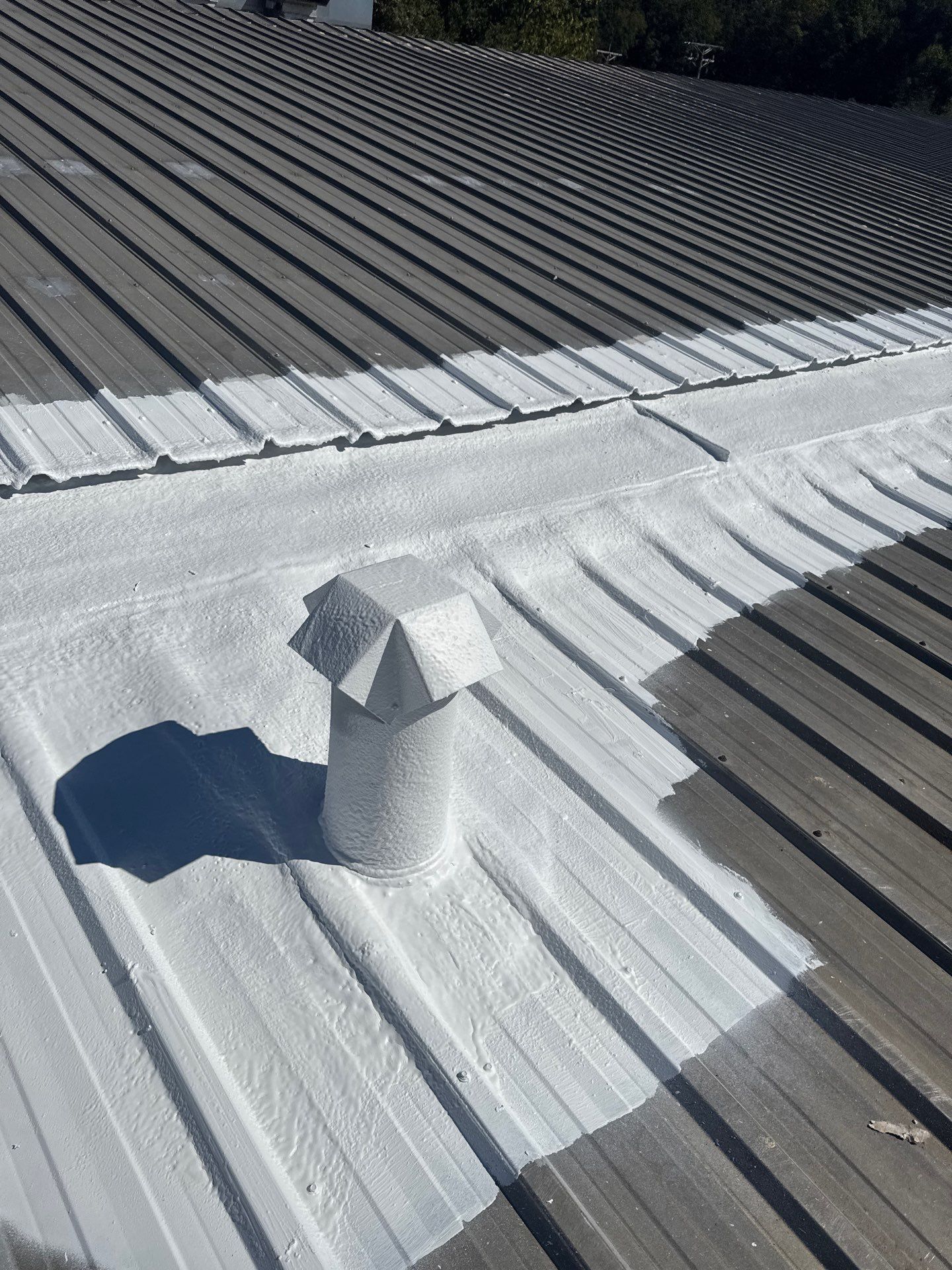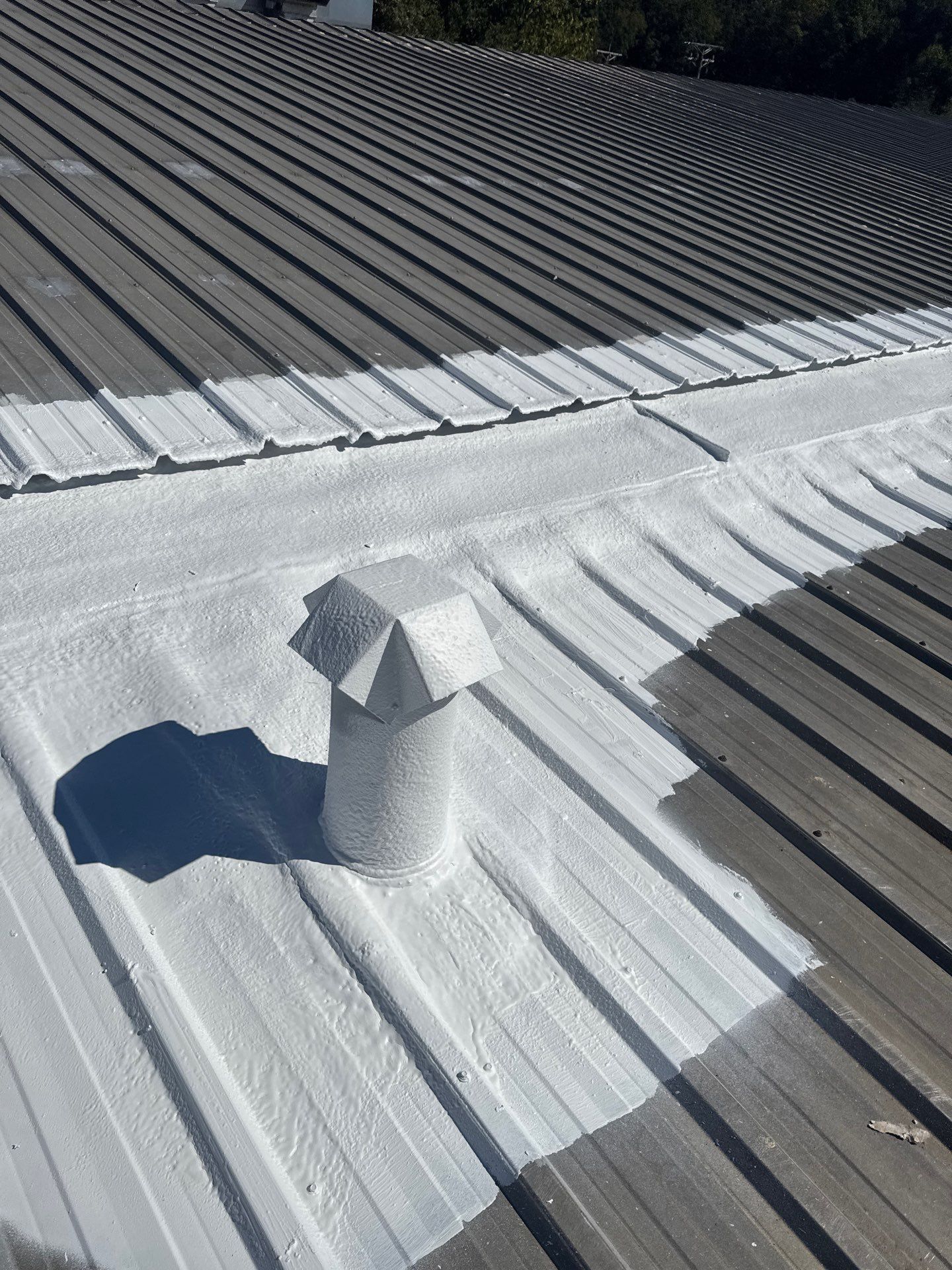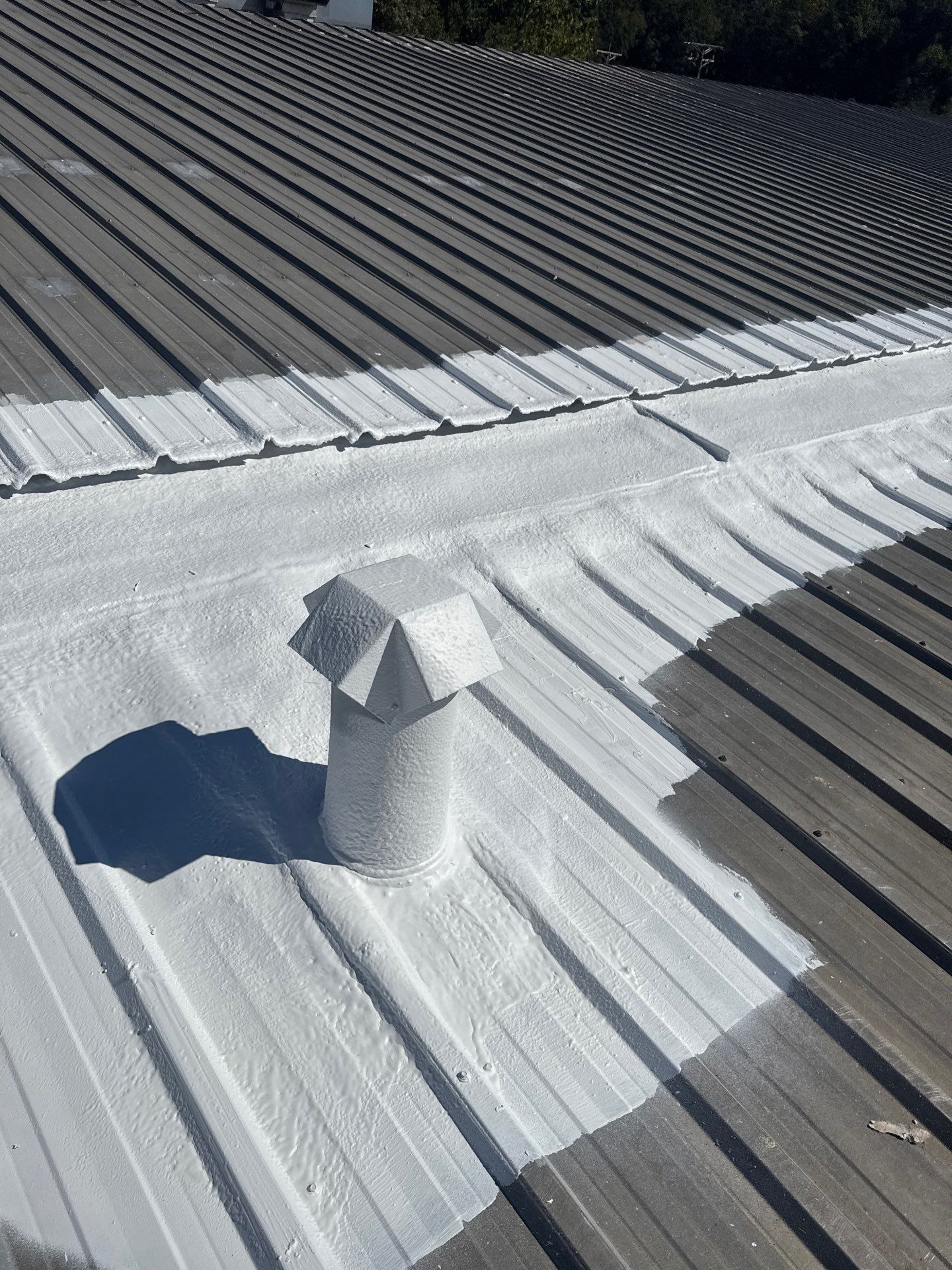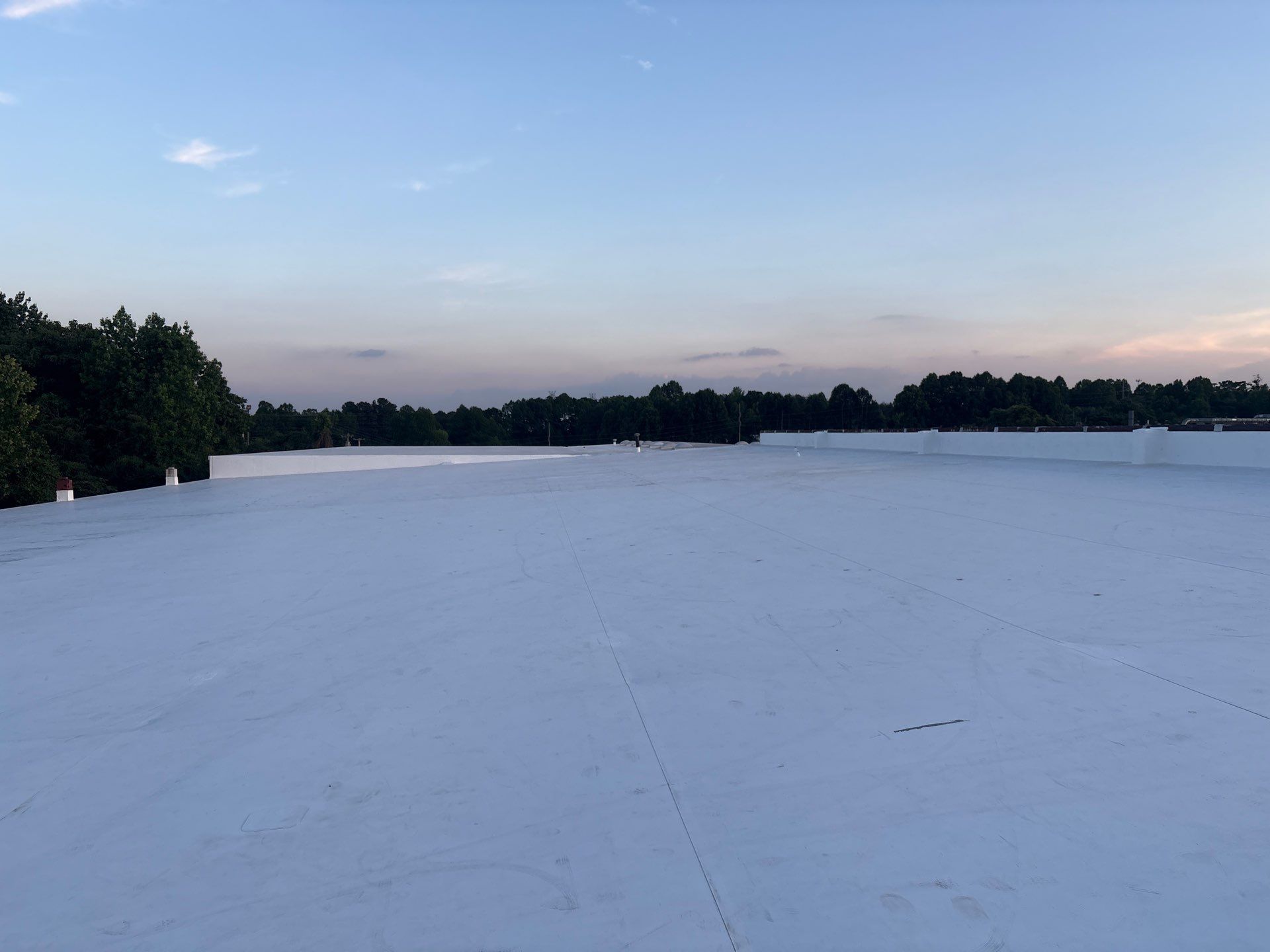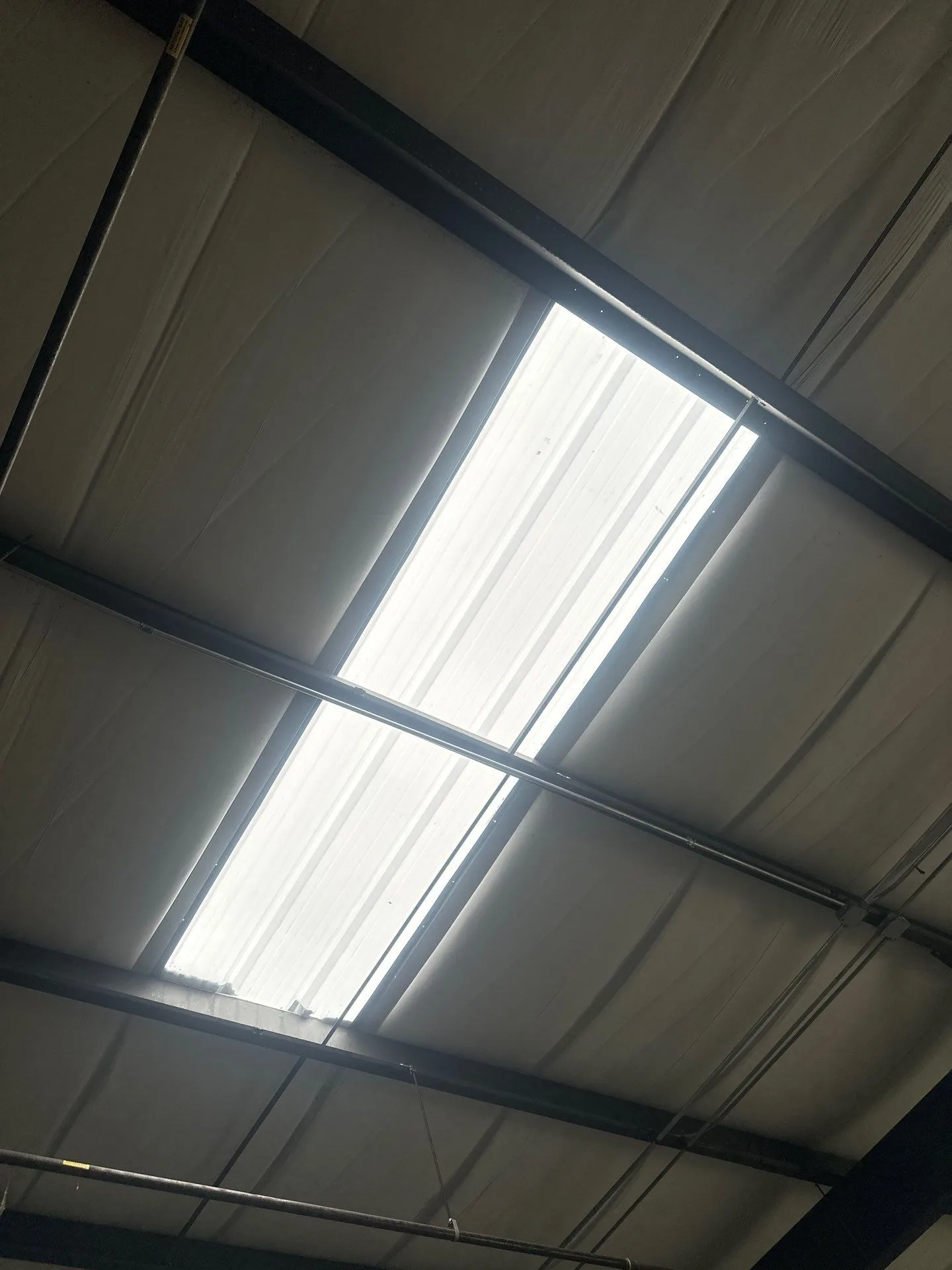

High Point’s skyline is built on furniture manufacturing and distribution—massive commercial buildings that need serious light. Walk into a furniture showroom or warehouse built twenty years ago, and you’ll notice the skylights that made sense in 1995 don’t cut it anymore. We just wrapped a commercial roofing high point nc project in Greensboro where replacing aged skylights literally looked like someone flipped a light switch. The difference wasn’t subtle—it was transformative.
What We Found on This Greensboro Commercial Roof
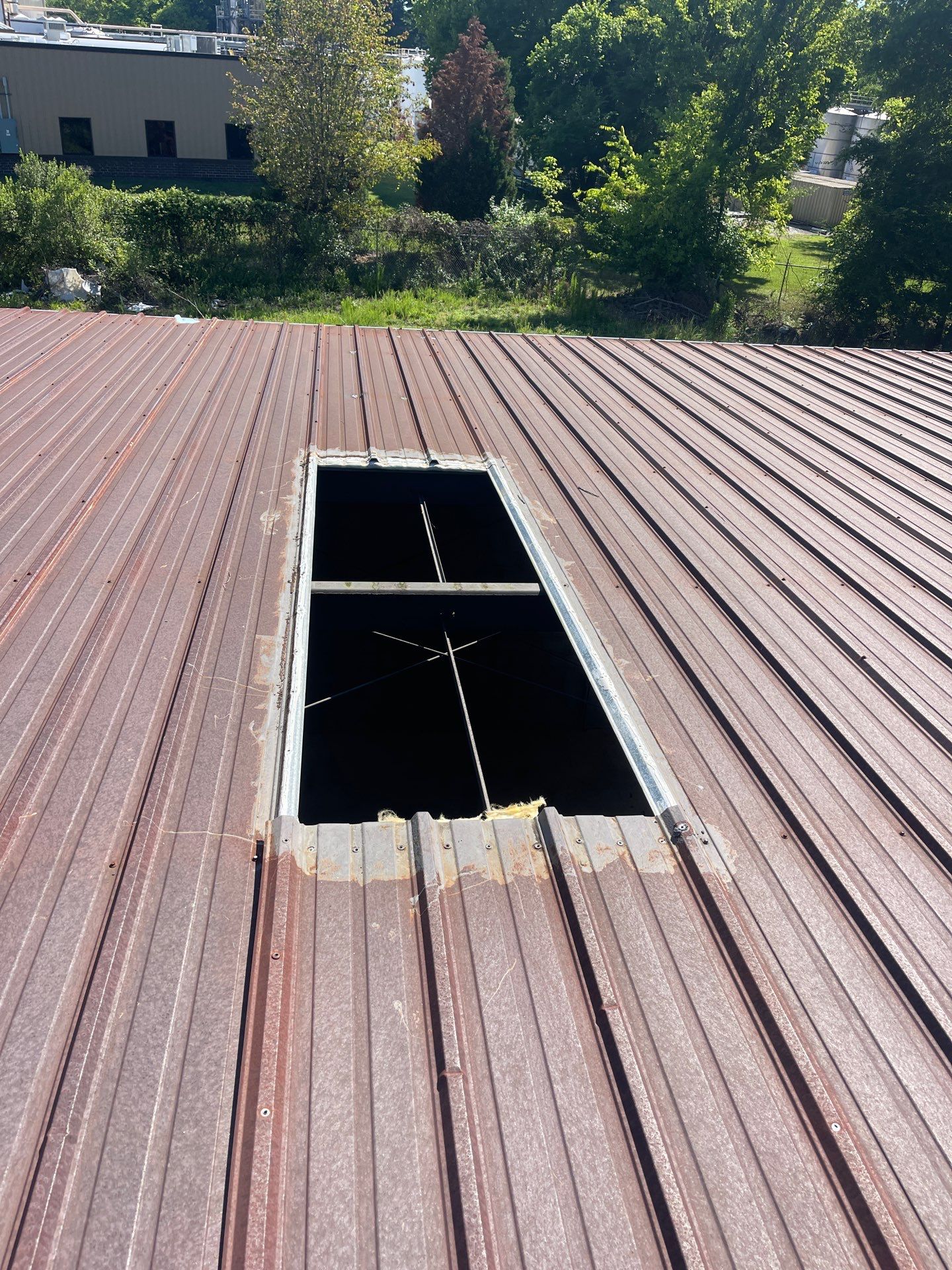
The building owner called us because they’d been running more interior lights during daylight hours. Energy bills kept climbing. When we climbed up for the inspection, the problem was obvious.
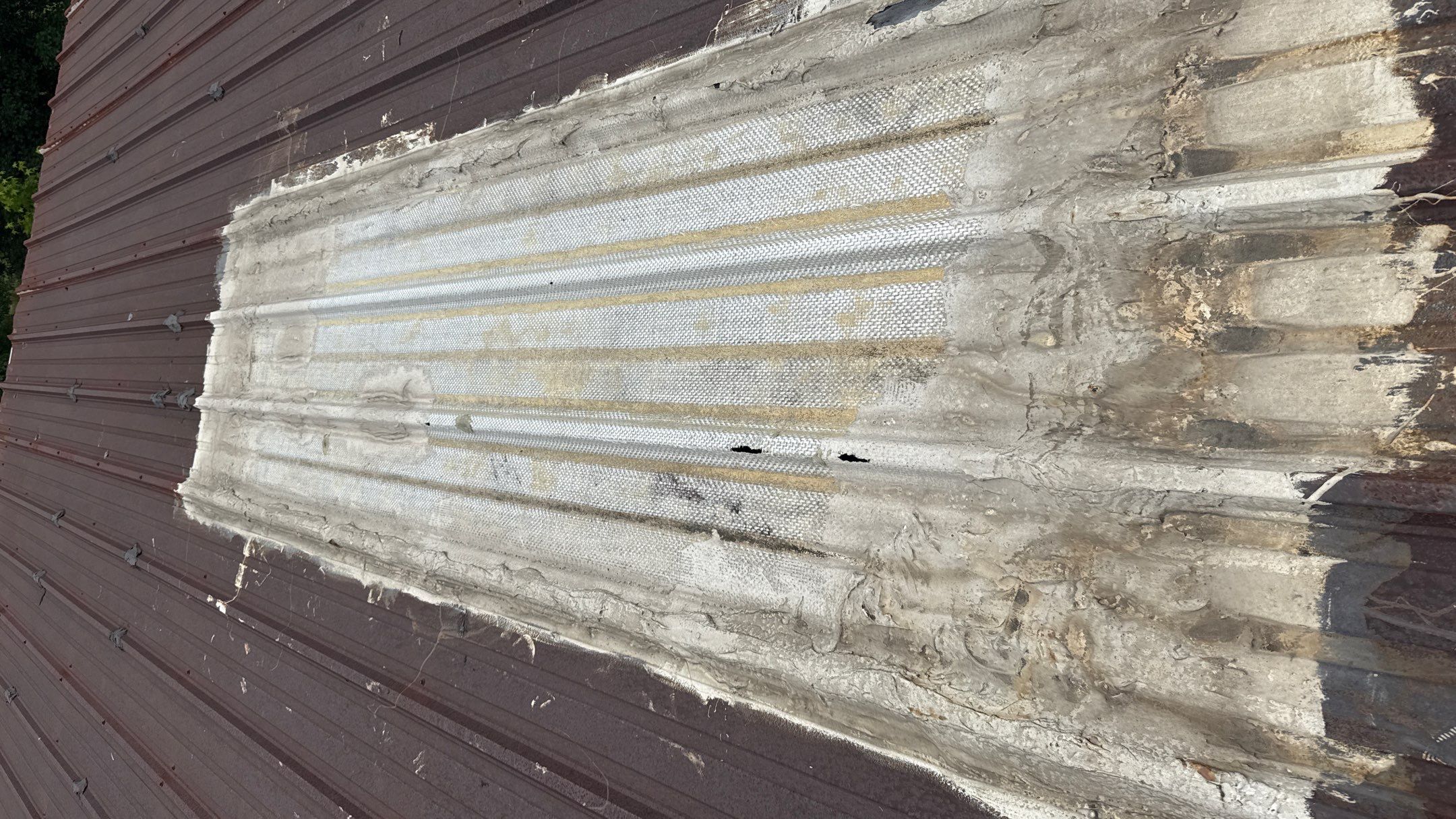
The skylights had yellowed. That’s what happens with older acrylic domes—UV exposure breaks down the material over twenty-plus years. Some had visible crazing, that spiderweb pattern of tiny cracks that scatters light instead of transmitting it cleanly. Others had accumulated grime and oxidation on the exterior that no amount of washing would fix because the damage was in the material itself.
You’re not just losing light transmission. You’re losing money on heating and cooling because those old skylights leak air like crazy. The seals dry out, the gaskets shrink, and suddenly you’re conditioning the outdoors.
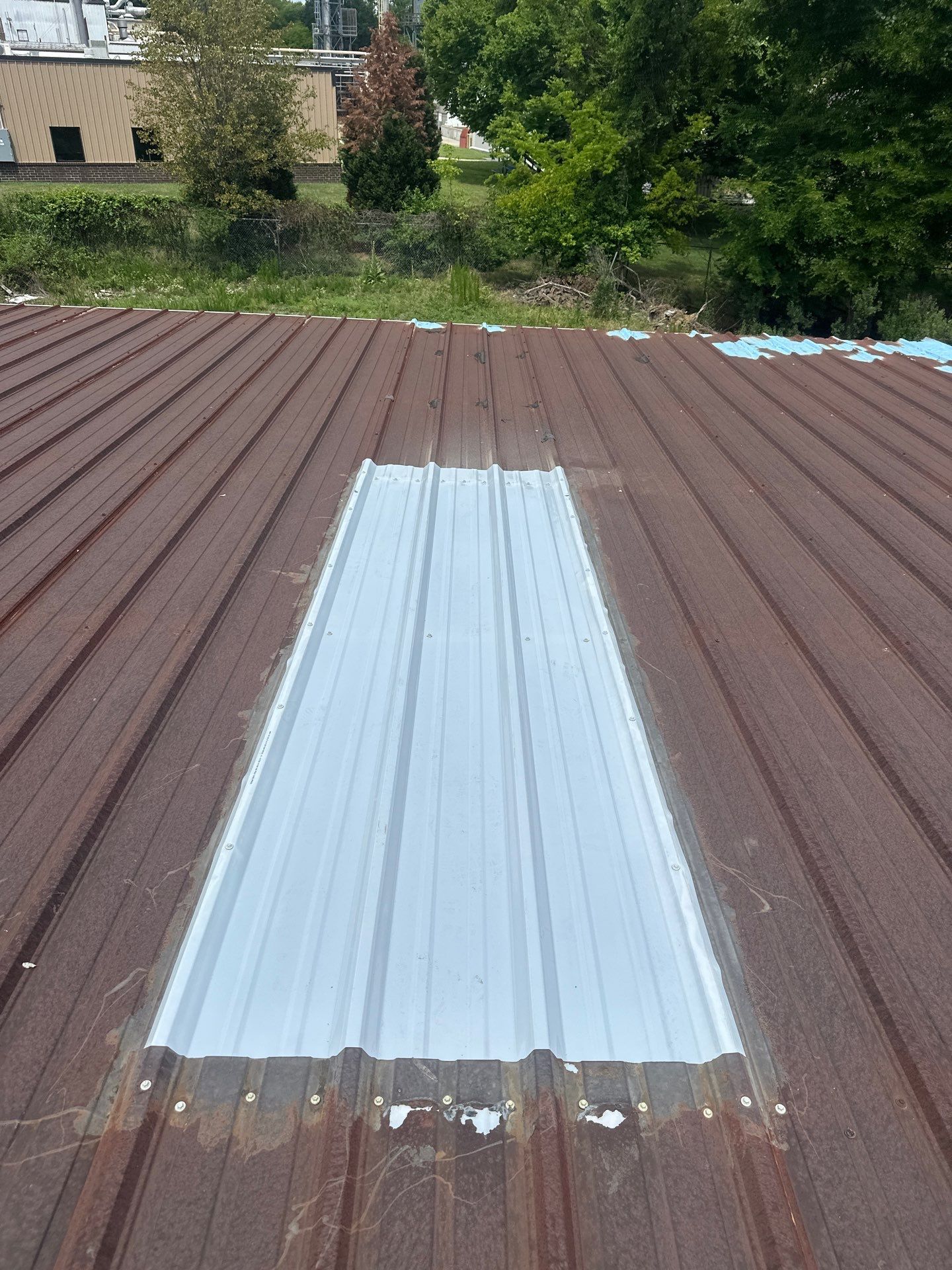
We replaced every skylight on that roof. The photos tell the story—the difference between old and new is dramatic. It genuinely looks like someone installed new lighting inside, except the building owner didn’t touch a single fixture. They just got the natural light they’d been paying for all along.
Why Skylight Performance Matters for Commercial Roofing High Point NC Properties
High Point runs on manufacturing and distribution. Your buildings are big. Your electric bills are bigger. Natural light isn’t just about ambiance—it’s about operating costs and employee productivity.
Studies from the National Roofing Contractors Association consistently show that natural daylighting improves worker performance and reduces energy consumption. But only if the skylights actually work.
Yellowed, crazed skylights block 40-60% of available light. You’re compensating with artificial lighting all day. Your HVAC system is working overtime because those old units have thermal performance about as good as a screen door. And if you’ve got a showroom, your product looks dingy under insufficient natural light.
We see this constantly with older commercial buildings throughout the Triad. The roof might have another five years left, but the skylights died a decade ago. Replacing them isn’t just maintenance—it’s an investment that pays back in lower utility bills and better working conditions.
The Skylight Replacement Process We Use
We don’t just swap domes and call it done. The entire curb assembly gets inspected. Often the flashing is fine, but the mounting hardware has deteriorated. We check for rust, failed sealant, and whether the curb itself is still square and solid.
New skylights get installed with fresh gaskets and properly rated fasteners. We use impact-resistant polycarbonate domes on most commercial applications—they handle hail better than acrylic and maintain clarity longer. The newer materials have UV stabilizers built into the resin, not just applied as a coating that wears off.
Flashing gets detailed properly. We’re not just setting a dome on top and hoping for the best. Every penetration through your roof is a potential leak point, and skylights are big penetrations. The flashing has to shed water correctly in all directions, sealed tight where it meets the roofing membrane or metal panels.
Timeline depends on how many units you’ve got. A building with six to eight skylights typically takes us a day, weather permitting. We stage materials the day before so we’re not hauling equipment up and down all morning. Most building owners don’t even notice we’re there until they see the light difference afterward.
Our Commercial Roofing services include skylight replacement as part of comprehensive roof restoration or as a standalone upgrade. We’ve worked on everything from small office buildings to 100,000-square-foot distribution centers throughout Davidson County and the Triad.
Signs Your Commercial Property Needs Skylight Replacement
Here’s what to look for:
- Yellowing or discoloration — The domes look dingy or have a brown/yellow tint compared to when they were new
- Crazing — Fine cracks or a foggy appearance in the acrylic that won’t clean off
- Increased lighting costs — You’re running more interior lights during the day than you used to
- Leaks or condensation — Water stains around the skylight curb, or condensation forming between layers on double-dome units
- Visible light loss — Walk through your building on a sunny day and compare light levels near skylights to what you remember from five or ten years ago
- Age over 20 years — Even if they look okay, older skylights have lost significant performance
- Drafts or temperature differences — Stand under a skylight in summer or winter and feel if it’s noticeably hotter or colder
Most building owners wait until they see active leaking. That’s reactive. Smarter building management means replacing skylights when they stop performing, not when they fail completely and damage your interior.
Why Property Owners Choose Sunny Sky Roofing LLC for Commercial Roofing High Point NC
We’ve been doing commercial roofing in High Point and throughout the Triad for years. We know the buildings here—the older industrial structures with standing seam metal, the TPO-covered distribution centers, the modified bitumen roofs on retail strips.
We don’t show up and guess. Every project starts with a real inspection. We document what we find with photos and explain what needs attention now versus what can wait. Building owners appreciate straight talk about their roofs.
Our crews are experienced with commercial work. We understand staging, safety protocols, and how to work around your operations without disrupting business. Most skylight replacements happen without you closing or moving operations.
We also offer maintenance programs. Annual inspections catch small problems before they become expensive emergencies. Skylights get checked along with everything else—seals, gaskets, flashing, and light transmission. For roofs with heavy tree coverage or debris exposure, we recommend bi-annual inspections to stay ahead of issues.
The work we did in Greensboro demonstrates what’s possible. Those skylights had been slowly failing for years. The building owner adapted by turning on more lights and didn’t realize how much natural light they’d lost. Now they’ve got a brighter workspace, lower energy bills, and skylights that’ll perform well for the next twenty years.
Frequently Asked Questions About Commercial Skylight Replacement
How long do commercial skylights typically last?
Quality commercial skylights last 20-25 years before they need replacement. The dome material degrades from UV exposure even with stabilizers. You’ll lose light transmission gradually—most building owners don’t notice because it happens slowly. By year twenty, you’re getting maybe half the light you got when they were new. The seals and gaskets also deteriorate, causing air leakage and eventual water intrusion.
Can you replace skylights without replacing the entire roof?
Absolutely. We replace skylights on roofs that have plenty of life left all the time. The skylight assembly is separate from the roofing system—it’s a penetration through the roof with its own flashing and sealing. As long as the curb is solid and the surrounding roof membrane or metal panels are in good shape, we can swap the dome and update the flashing without touching the rest of your roof. It’s actually a smart move if your roof is mid-life but your skylights are shot.
Will new skylights really make that much difference in lighting?
Yes. The difference is dramatic, not subtle. New polycarbonate or acrylic domes with modern UV stabilizers transmit 85-90% of available light. Your twenty-year-old yellowed skylights are probably transmitting 40-50% at best. That’s literally twice as much natural light hitting your workspace or showroom floor. Every building owner who’s done this tells us the same thing—it looks like we installed new electrical lighting, except the light is natural and free.
How much does commercial skylight replacement cost compared to just living with old ones?
We don’t talk pricing in blog posts because every building is different—number of skylights, size, roof type, and access all matter. What I will tell you is that the energy savings from improved light transmission and better thermal performance pay back the investment over time. You’re not just buying new domes—you’re reducing your operating costs for the next twenty years. It’s a smarter long-term decision than running extra interior lighting and conditioning air that’s leaking through failed seals. Get a real assessment of your current skylights and we’ll show you what makes sense for your building.
Get More Light and Lower Energy Bills in High Point
If your commercial building in High Point has skylights over fifteen years old, you’ve probably lost more light than you realize. The change happens gradually, so you adapt without noticing. But your electric bill notices.
We’ll inspect your skylights and tell you honestly what kind of shape they’re in. Some buildings need immediate replacement. Others can wait a year or two. We give you the information to make a smart decision about your building.
Call Sunny Sky Roofing LLC at (336) 523-2103 and let’s take a look at your roof. We serve High Point and the entire Triad with commercial roofing services that focus on performance and longevity. Your building deserves the natural light it was designed to have.