
High Point’s furniture manufacturing heritage means we’ve got more metal commercial buildings here than just about anywhere else in North Carolina. Those big warehouse roofs, production facilities, and distribution centers that built this city? They’re aging, and if you’ve noticed leaks that come and go without rhyme or reason, you’re dealing with a problem we see constantly in commercial roofing High Point NC properties. The leak shows up after one storm, disappears for months, then pops up somewhere slightly different. It’s not in your head — it’s butyl tape breakdown.
What We Found on This Greensboro Metal Roof
We completed this project just outside High Point in Greensboro, and the building owner was frustrated. Leaks appeared sporadically. Sometimes near the ridgeline, sometimes at wall transitions. Never consistent.
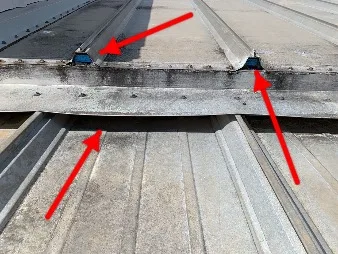
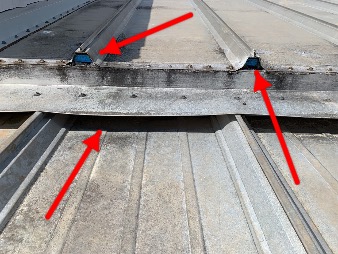
Here’s what was actually happening: when metal roofing ages, the butyl tape used underneath trim pieces, panel overlaps, and seam covers starts to wear out. North Carolina’s heat cycles — those brutal summer afternoons where metal roofs hit 160+ degrees, then cool down at night — cause the metal to expand and contract. That movement is normal. But as the butyl tape ages and loses its adhesive grip, the expansion and contraction literally push the tape out from under the seams.
That’s why you get sporadic leaks. The tape moves around. Water finds a path during one rain event, but the next storm hits when the metal has shifted differently, and suddenly that leak path is temporarily sealed while another spot opens up. It’s maddening to diagnose if you don’t understand metal roof behavior.
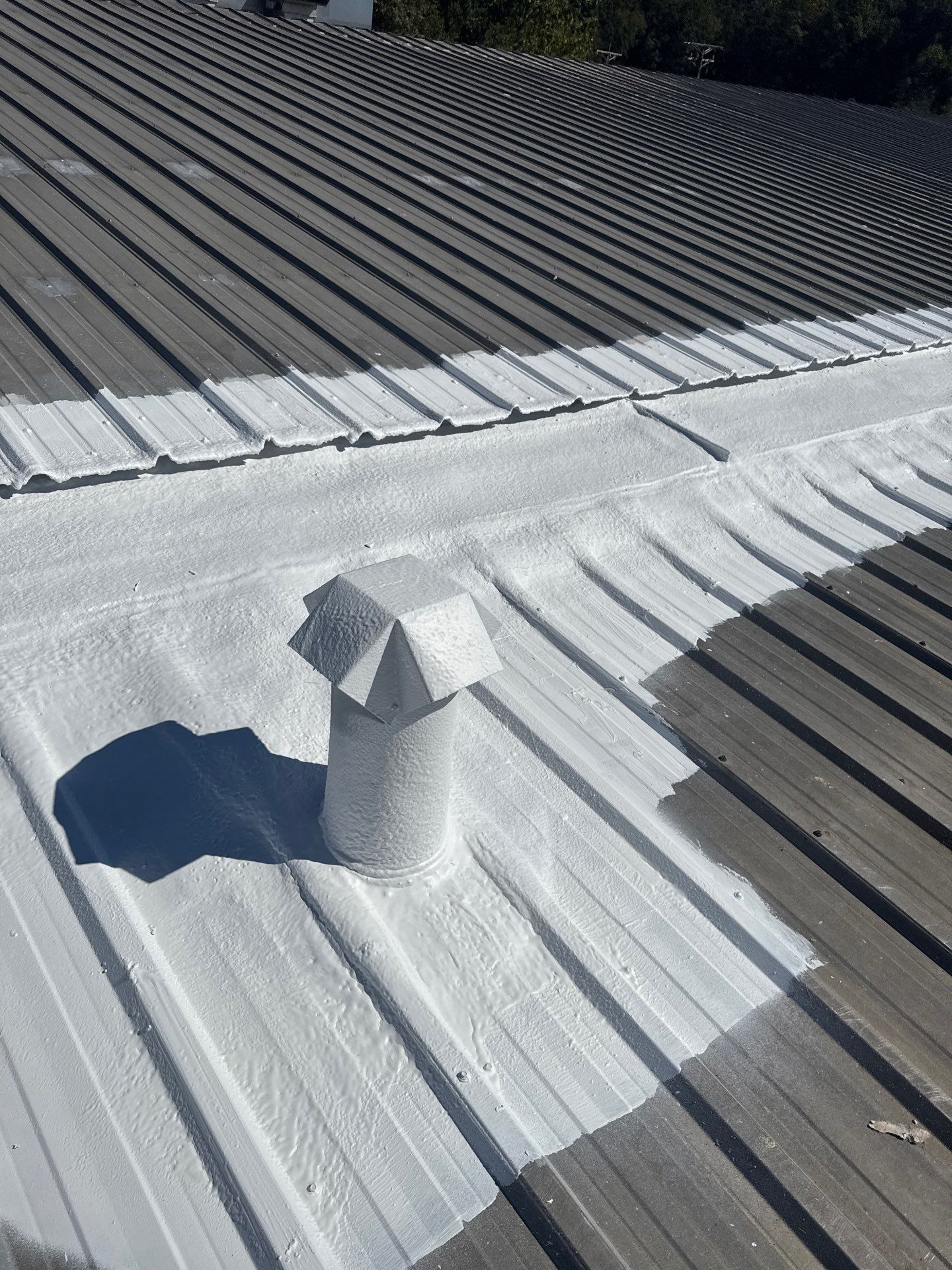
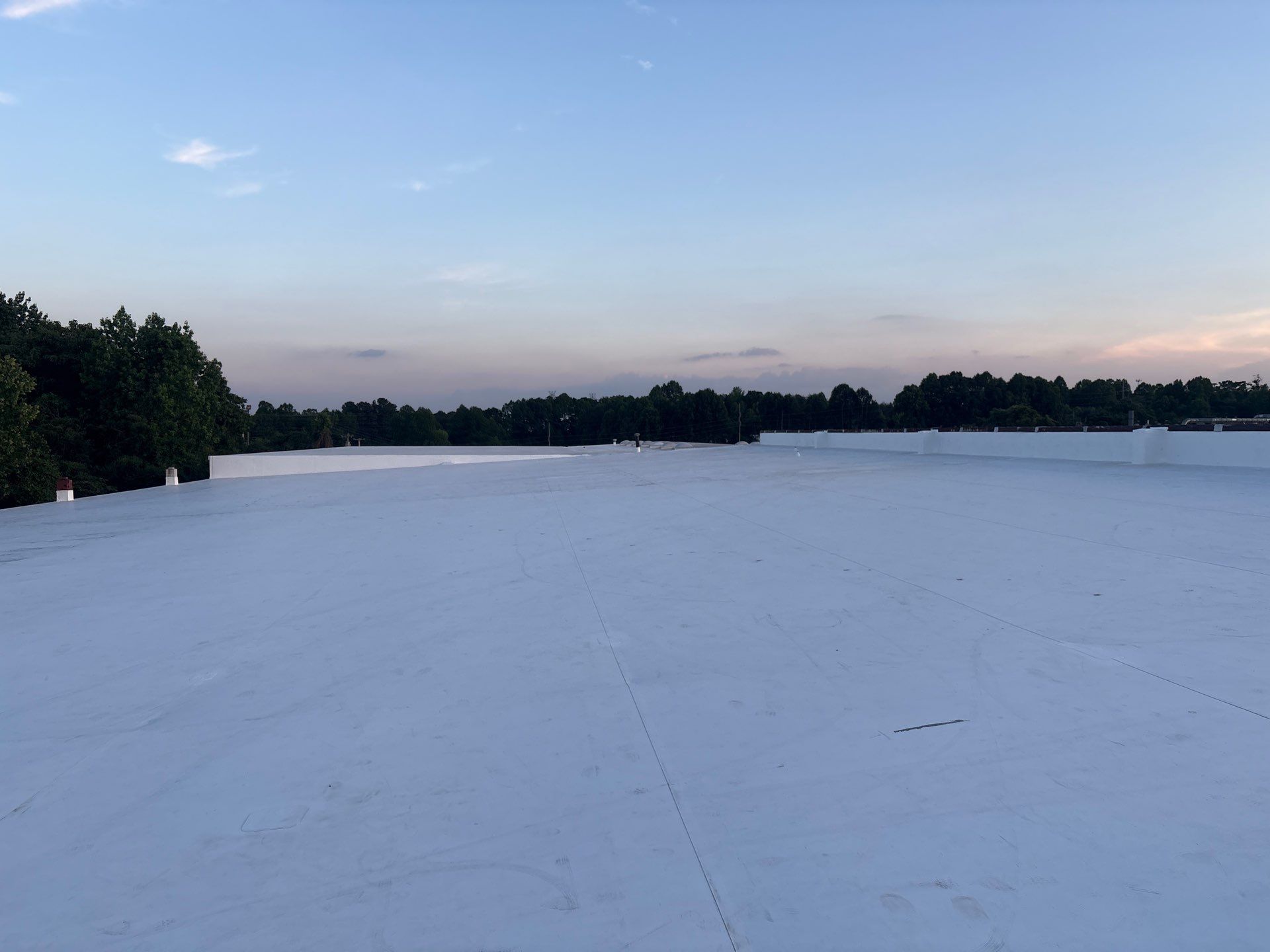
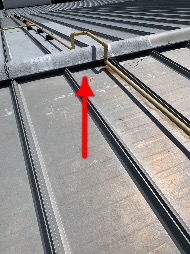
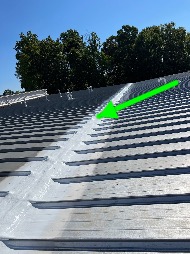
We documented the failing butyl, the opened seams where tape had squeezed out completely, and areas where previous tar patches had dried out and cracked. The photos from this job show exactly what we’re talking about — you can see where the metal has been working against itself for years.
Why This Butyl Tape Problem Hits High Point Commercial Roofing Properties Hard
High Point sits in the Piedmont, which means we get the worst of both worlds: intense UV exposure that degrades sealants faster than coastal areas, plus enough humidity to accelerate corrosion once water does get in. Your metal roofs are working harder here than they would in drier climates.
Add in our typical summer thunderstorm patterns — those fast-moving cells with wind-driven rain that hits from different directions — and you’ve got the perfect conditions to expose butyl tape failure. The rain doesn’t always come straight down. When wind pushes water up under trim or across panel overlaps, any gap in that butyl seal becomes a leak point.
For furniture warehouses, manufacturing plants, and the distribution centers that define High Point’s commercial landscape, these sporadic leaks aren’t just annoying. They threaten inventory, damage equipment, and create liability issues if employees are working under active drips. We’ve seen production lines shut down because nobody could predict where the next leak would show up.
How We Address Butyl Tape Failure and Metal Roof Leaks
\p>Our Commercial Roofing services focus on understanding why metal roofs fail, not just patching the symptom.
For this Greensboro project, we completed a full assessment of every seam, trim piece, and penetration. We identified where butyl tape had completely failed, where it was partially compromised, and where previous tar patches had created more problems than they solved. (Tar is a temporary fix at best — it dries out, the metal moves, the tar cracks, water gets underneath, and you’ve now trapped moisture against the metal where it accelerates rust.)
We removed failed sealants and old tar completely. You can’t just add new sealant over old — the new material won’t bond properly, and you’re building on a compromised foundation. We cleaned the metal back to sound substrate, then rebuilt the seals using products designed for metal’s expansion and contraction cycles.
The key is using materials that stay flexible through North Carolina’s temperature swings. Butyl tape works great when it’s fresh, but it has a service life. When we rebuild these seals, we’re using products specified for the thermal movement this roof will see over the next 15-20 years.
Timeline was efficient because we weren’t tearing off and replacing the entire roof — we were surgically addressing the actual failure points. The building stayed operational throughout the work.
Signs Your High Point Metal Roof Has Butyl Tape Failure
Watch for these indicators that your commercial roofing in High Point needs attention:
- Leaks that appear and disappear — water intrusion that’s not consistent storm to storm
- Leak location changes slightly — the drip moves a few feet left or right between events
- Staining near seams or trim — even if it’s not actively leaking, discoloration means water has been there
- Visible gaps at panel overlaps — if you can see light or gaps at seams, water can get in
- Previous tar patches cracking — dried, cracked tar means it’s no longer sealing anything
- Fasteners with rust trails — backed-out or corroded fasteners allow water past the seal
- White or dark streaks on metal panels — residue from butyl tape that’s squeezed out
- Interior evidence during some rains but not others — inconsistency is the signature of this problem
Don’t wait until you can see daylight through the deck from inside. By the time that happens, the roof has been leaking for years, and you’re looking at structural damage beyond just the roofing system.
Why High Point Businesses Choose Sunny Sky Roofing LLC for Commercial Roofing
We’re based right here in the Triad. Joe Yutzy and our crew understand commercial roofing in High Point because we work on these buildings every week. We know the metal warehouse construction that dominates the industrial parks along I-85. We understand how your roofs behave through our weather patterns.
We don’t push unnecessary tear-offs. When a roof can be restored — when the metal panels themselves are still sound and the structure is solid — we’ll tell you that. Restoration is more cost-effective than full replacement when it’s the right solution. But we’ll also be straight with you if the roof is beyond repair. Our reputation in this area depends on giving honest assessments.
We’re certified with major manufacturers and stay current with industry standards through organizations like the National Roofing Contractors Association. That means we’re using proven methods and quality materials, not experimenting with your building.
Our response time matters when you’ve got a leak threatening operations. We get to High Point properties quickly, we diagnose the actual problem (not just the obvious symptom), and we fix it right the first time.
Why does my metal roof only leak sometimes, not every time it rains?
Sporadic leaks on metal roofs usually mean the butyl tape under seams and trim has deteriorated. As the metal expands and contracts with temperature changes, it pushes the failing tape around. One storm might hit when a gap is open; the next storm occurs after the metal has shifted and temporarily closed that path. The tape is moving, which is why the leak behavior seems random. This is extremely common on aging metal commercial roofs in High Point’s climate.
How often should I have my High Point commercial metal roof inspected?
We recommend annual inspections at minimum for all commercial roofs. If your building has heavy tree coverage, significant HVAC equipment, or other debris exposure, bi-annual inspections make more sense. North Carolina’s UV exposure and temperature swings accelerate sealant breakdown, so catching butyl tape failure early — before it becomes a leak — saves you significant money and operational disruption.
Can you just put tar or caulk over the leaking seams on my metal roof?
Tar is a temporary fix at best. It will dry out, crack as the metal expands and contracts, and actually trap moisture against the metal where it accelerates rust. We’ve seen countless metal roofs where previous tar patches created worse problems than the original leak. The right approach is removing failed sealants completely, cleaning the metal back to sound substrate, and rebuilding the seals with products designed for metal’s thermal movement. It costs more than slapping tar on it, but it actually solves the problem.
Do I need to replace my entire metal roof if the seams are leaking?
Not necessarily. If the metal panels themselves are still sound and the structure is solid, rebuilding the seams and replacing failed butyl tape is more cost-effective than full replacement. We assess the actual condition of your roof — the metal substrate, the fastening system, the deck underneath — and give you an honest recommendation. Sometimes restoration makes perfect sense. Sometimes the roof is beyond repair and replacement is the smarter long-term investment. We’ll tell you which situation you’re in.
Get Your High Point Commercial Roof Inspected
If you’re dealing with sporadic leaks, visible gaps at seams, or you simply haven’t had your roof inspected in the past year, it’s time to get eyes on it. Butyl tape failure doesn’t get better on its own — it only gets worse as the metal continues moving through seasonal cycles.
We serve High Point and the entire Triad region with honest assessments and quality commercial roofing work. Call Sunny Sky Roofing LLC at 336-523-2103 or contact us to schedule an inspection. We’ll tell you exactly what’s happening with your roof and what it’ll take to fix it right.