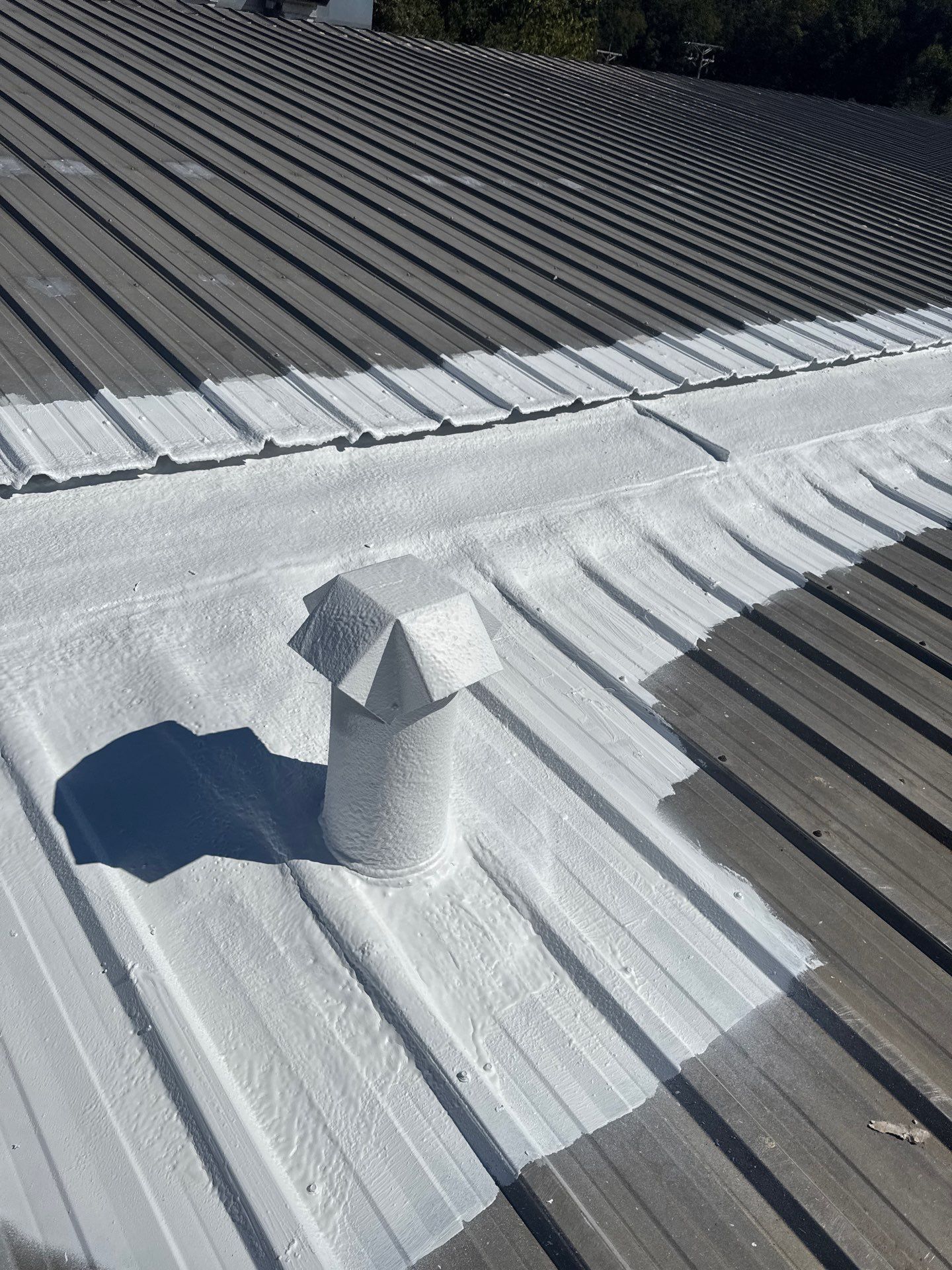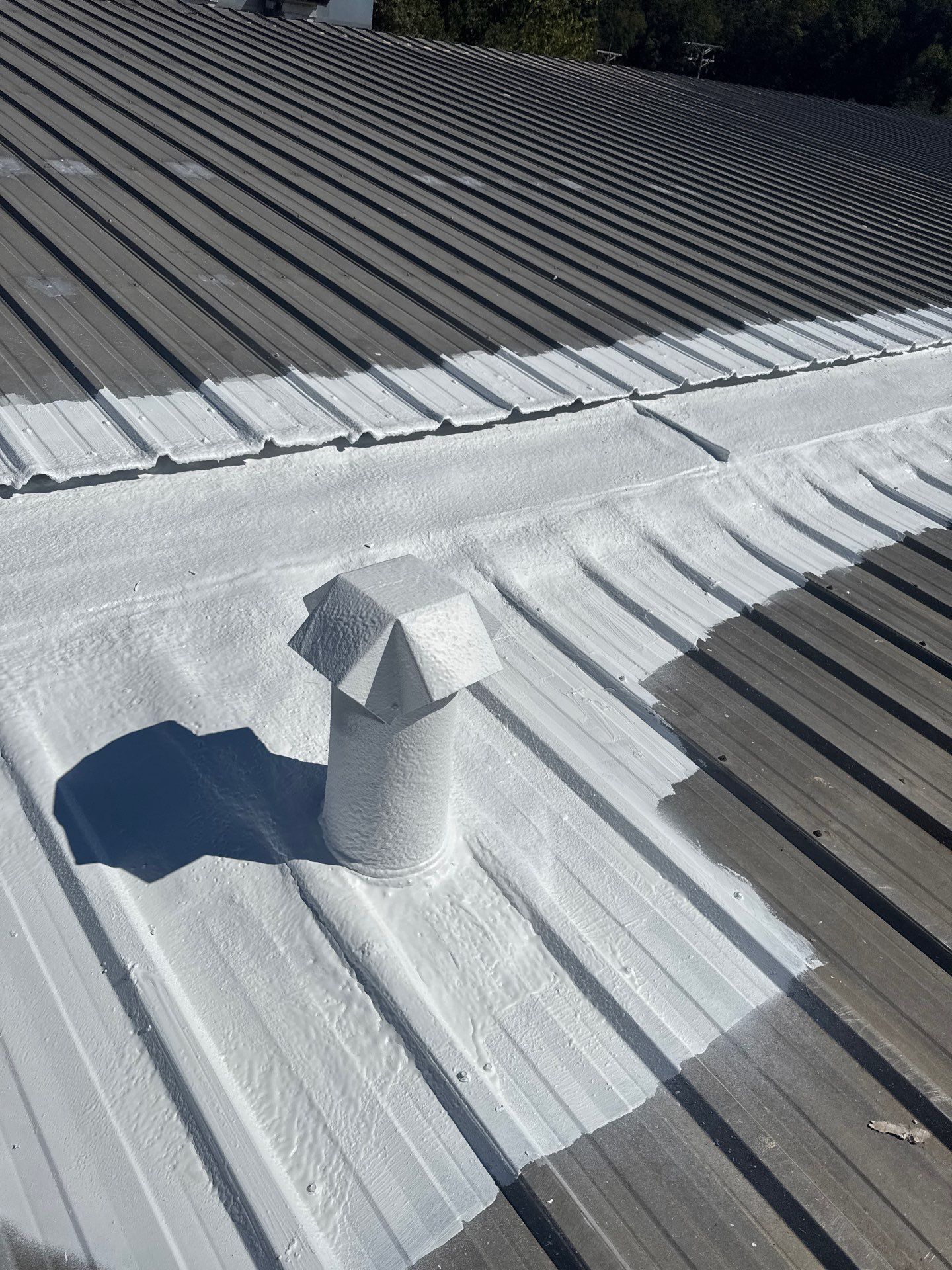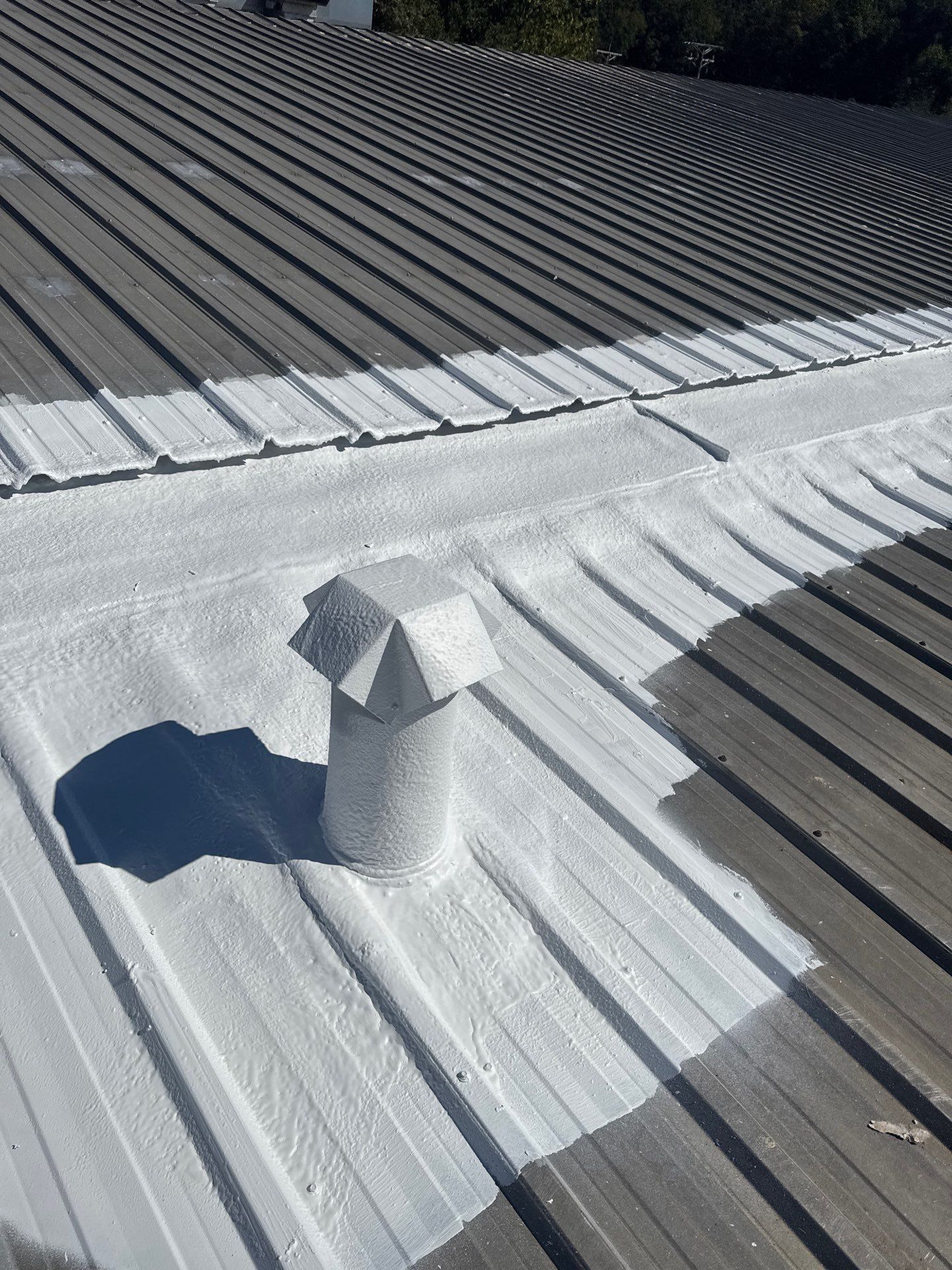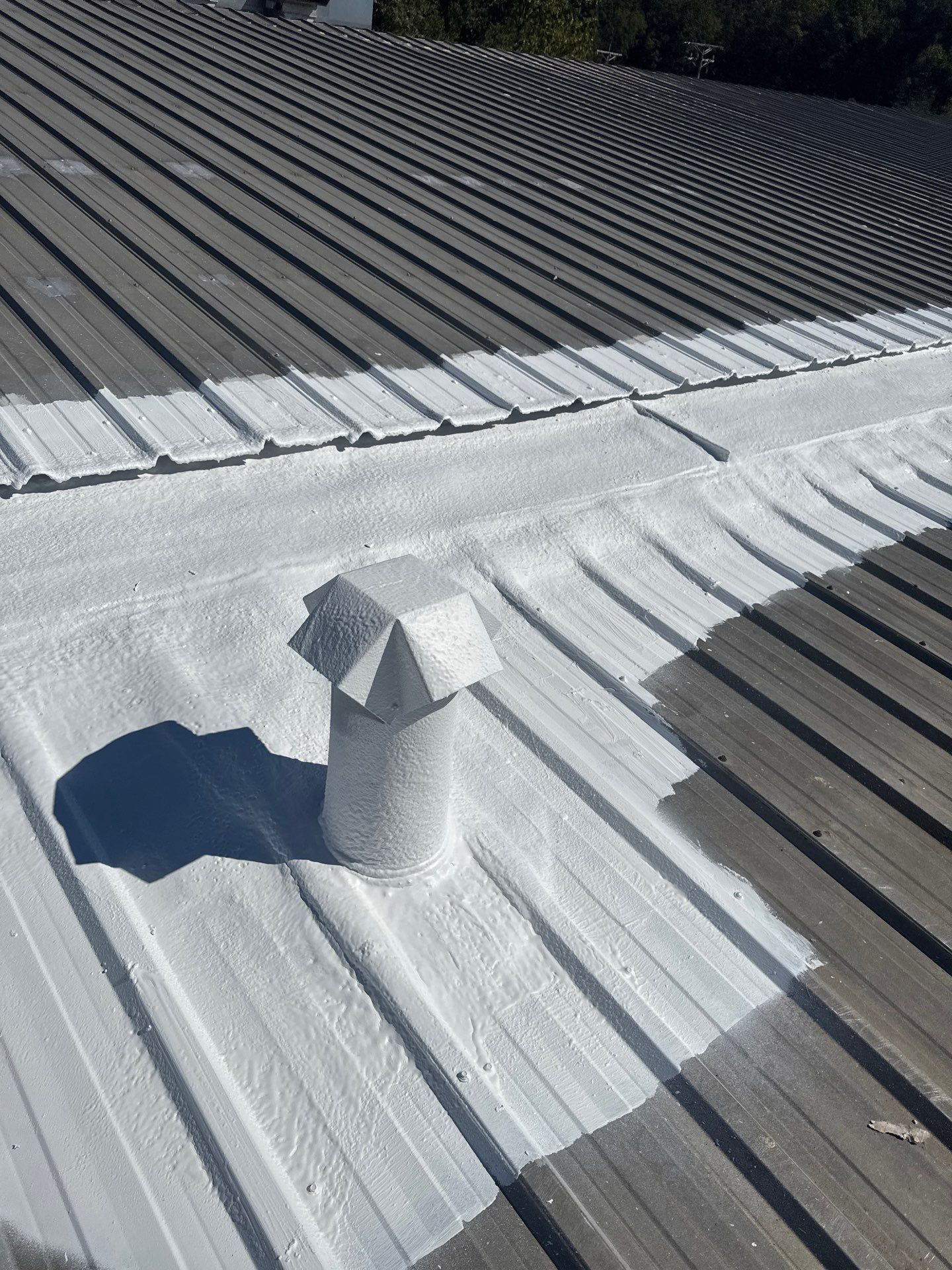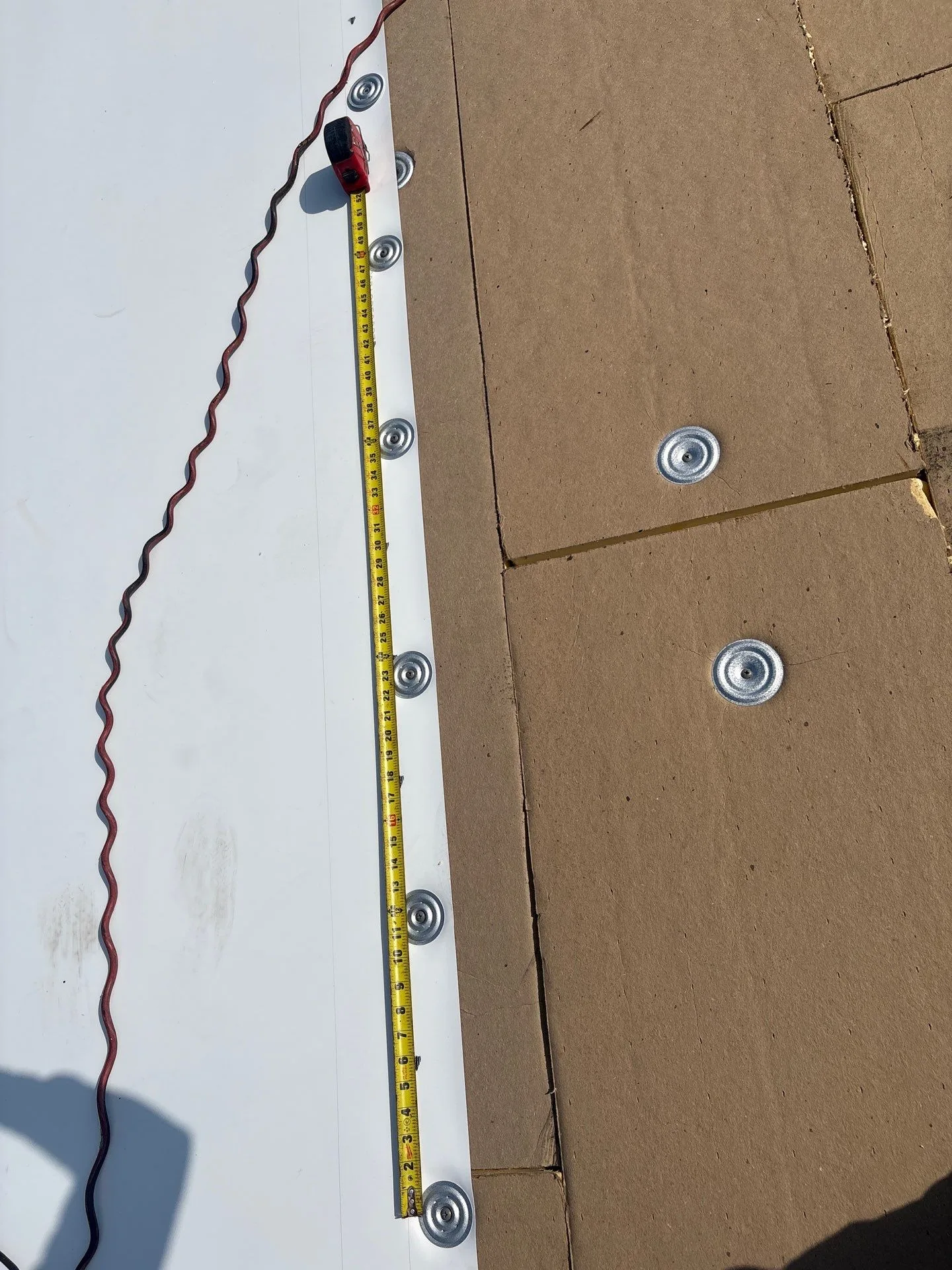

When a commercial building in High Point needed TPO roofing High Point NC services, Sunny Sky Roofing LLC was called to replace an aging EPDM roof that had reached the end of its serviceable life. The project required full removal of the old membrane and a complete commercial roof replacement using a new GAF TPO system designed to provide 20 years of manufacturer-backed protection. The building presented several challenges typical of commercial structures in the area, including corner sections with high wind uplift zones that required precise installation techniques to meet manufacturer standards.
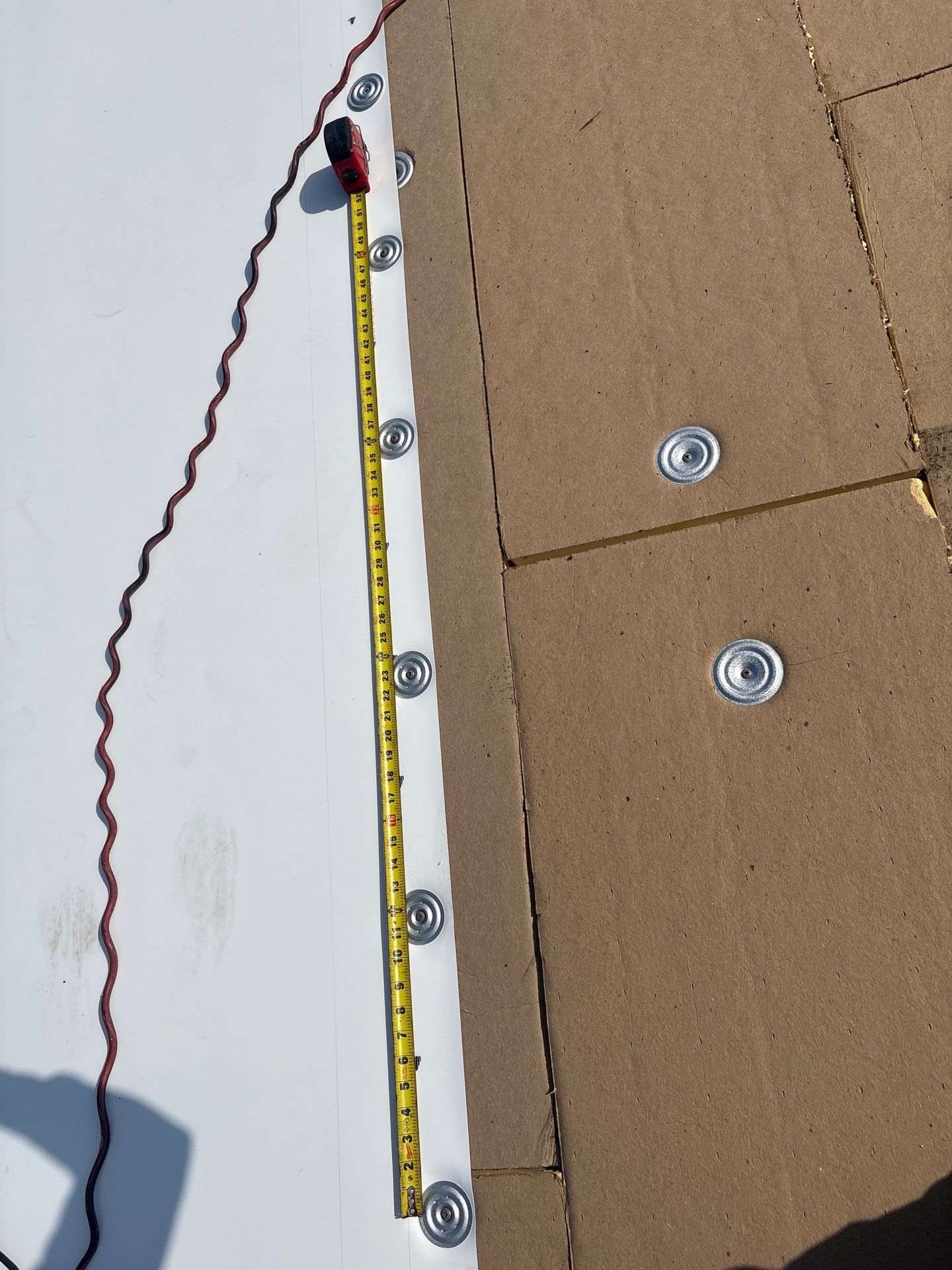
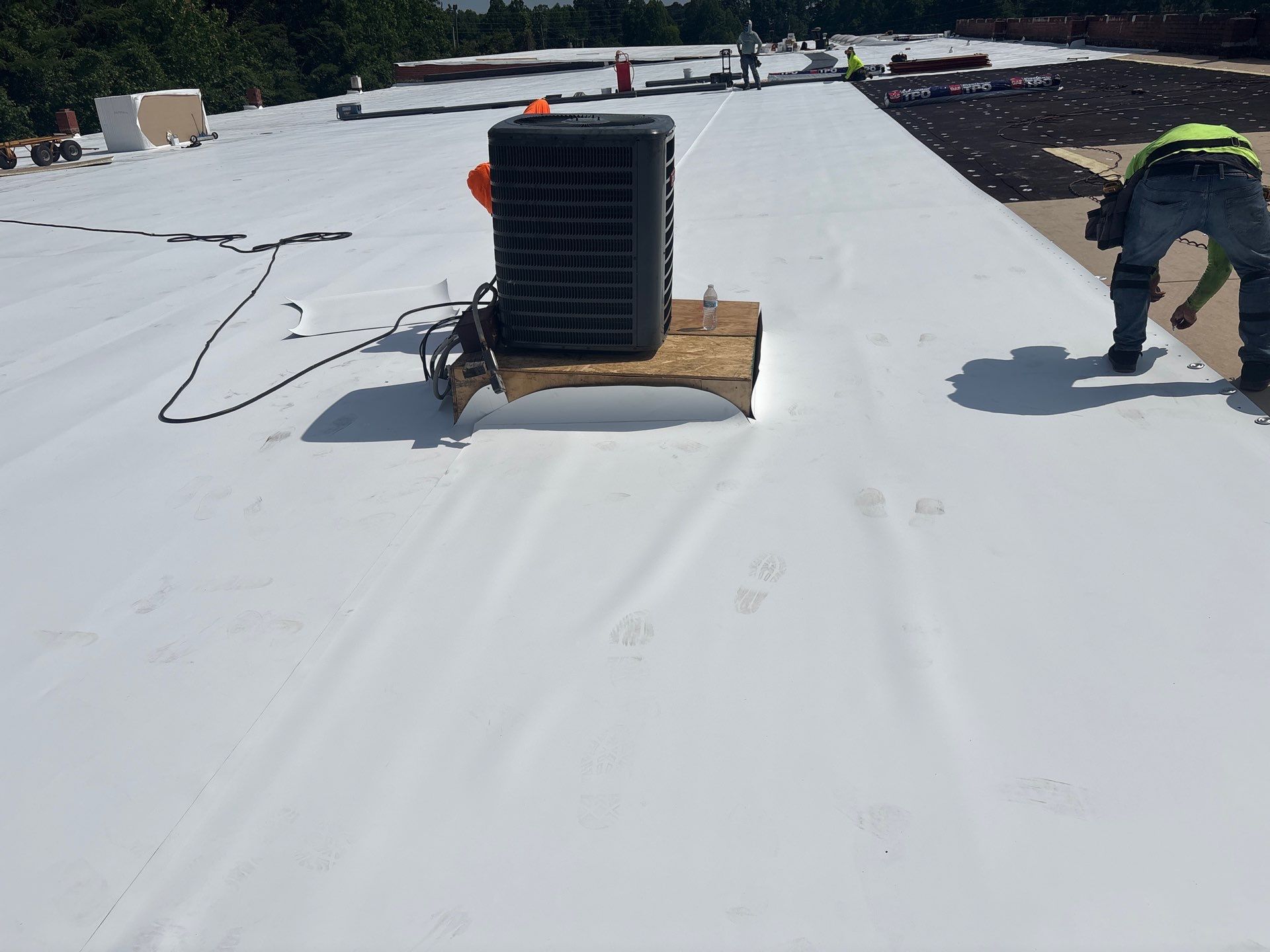
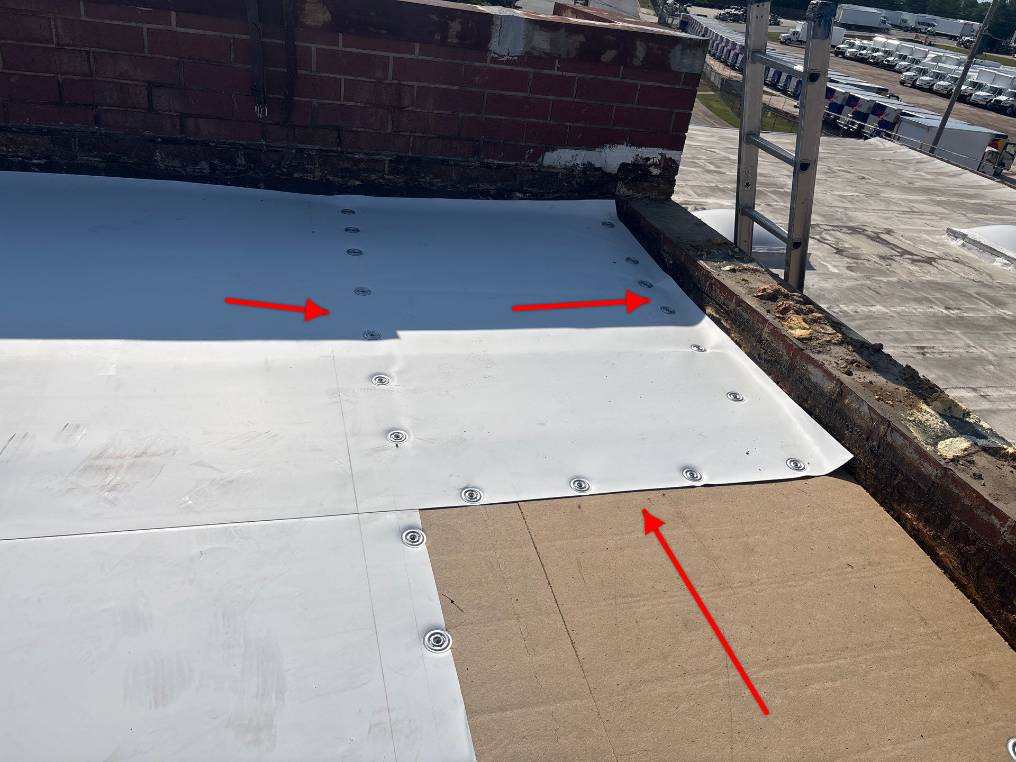
Our crew at Sunny Sky Roofing LLC completed this project following strict GAF installation requirements for TPO Roofing systems. We removed all existing EPDM membrane, inspected the substrate for damage, and installed new TPO with fasteners placed 12 inches on center throughout the field of the roof. In corner sections where wind uplift forces are highest, we ran screws from both directions to create overlapping attachment lines that provide maximum holding power. This level of attention to detail is what separates a roof that performs for two decades from one that fails prematurely.
Why High Point Commercial Roofs Require Proper Corner Detailing During TPO Installation
Wind does not blow evenly across a flat roof. When air flows over a building, it accelerates at the edges and corners, creating negative pressure zones that try to lift the membrane off the deck. In High Point, where summer thunderstorms and winter wind events are common, these uplift forces can exceed several hundred pounds per square foot in corner zones. A TPO roof installed with standard fastener spacing in these areas will not meet manufacturer wind ratings and will void the warranty.
This is why we picture frame every TPO roof we install. Picture framing means running a narrow strip of TPO around the entire perimeter of the roof before installing the main field sheets. This perimeter strip creates a reinforced edge zone with double the number of fasteners. In corner sections, we run screws from both directions so that the attachment lines overlap. You can see this clearly in the project photos where fasteners are visible running perpendicular to each other in the corner detail. This is not optional work or extra service. It is required by GAF commercial roofing systems and must be completed to qualify for the 20-year manufacturer warranty.
Many building owners do not understand that TPO installation requirements vary by roof zone. The center field of the roof might only require 12-inch fastener spacing, but perimeter and corner zones often require 6-inch spacing or even 4-inch spacing in high-wind areas. We calculate these requirements based on building height, roof slope, parapet height, and local wind zone data. A roof installed with uniform fastener spacing across all zones will fail inspection and will not be warrantied by the manufacturer.
What Happens When Corner Details Are Installed Incorrectly
We have inspected dozens of commercial roofs in the areas we service in the Triad where corner details were skipped or installed incorrectly. The membrane pulls away from the deck during wind events, allowing water to flow underneath. Once water gets between the membrane and the insulation, it spreads across the roof and causes leaks far from the original failure point. Building owners often discover these problems only after interior damage has occurred, and by that time the repair costs are significant.
The other consequence is warranty denial. Manufacturers require photographic documentation of fastener placement during installation. If a roof fails and the installer cannot prove that corner zones were detailed correctly, the manufacturer will not honor the warranty. The building owner is left with a failed roof and no recourse. This is why Sunny Sky Roofing LLC documents every project with detailed photos that show fastener placement, seam overlap, and corner detailing. These records protect our clients and ensure that warranty claims are processed without dispute.
What This TPO Roofing Project Involved
The first step was complete removal of the existing EPDM membrane. EPDM cannot be recovered with TPO because the two materials are not chemically compatible and will not bond correctly at seams. We stripped the old membrane down to the existing substrate and inspected the entire deck for damage. Any areas with wet insulation or deteriorated decking were marked for replacement before the new TPO was installed.
Once the deck was prepared, we installed new insulation where needed and began laying out the TPO sheets. We started with the picture frame perimeter strip, which was mechanically fastened around the entire edge of the building. Fasteners were placed 6 inches on center along the perimeter to meet GAF uplift requirements. In corner sections, we ran a second row of fasteners perpendicular to the first row so that both edges of the corner sheet were reinforced. This created the overlapping fastener pattern visible in the project photos.
After the perimeter was secured, we installed the main field sheets with 12-inch fastener spacing. Each seam was hot-air welded to create a watertight bond. Hot-air welding is the only acceptable method for TPO seams because adhesive seams do not provide sufficient long-term performance. We tested every seam with a probe tool to ensure full adhesion along the entire length. Any areas that did not pass testing were re-welded until they met manufacturer standards.
The final step was installation of all penetration flashings, drains, and edge metal. Every pipe, vent, and HVAC curb was flashed with TPO membrane and sealed with hot-air welding. Drain sumps were reinforced with additional layers of TPO to prevent punctures from standing water. Edge metal was fastened through the membrane into the roof deck to lock the perimeter in place. The completed roof was inspected by a third-party consultant to verify compliance with GAF installation standards, and all documentation was submitted to the manufacturer for warranty registration.
Results: What Changed After This Project
- Complete removal of the aging EPDM membrane eliminated all existing leak points and substrate deterioration
- New GAF TPO system installed with full compliance to manufacturer fastener spacing requirements in all roof zones
- Corner sections reinforced with overlapping fastener rows to meet high wind uplift ratings and prevent edge blow-off
- All seams hot-air welded and tested to ensure long-term watertight performance without adhesive failures
- 20-year manufacturer warranty registered and documented with photographic evidence of proper installation techniques
- Building owner now has a maintenance-ready roof that will provide two decades of reliable service with routine inspections
What High Point Building Owners Should Know About TPO Roofing
TPO is one of the most widely installed commercial roofing membranes in North Carolina, but it only performs well when installed correctly. The membrane itself is durable and resistant to UV degradation, ponding water, and thermal cycling. The weak point in any TPO roof is the installation quality. Fasteners must be placed at the correct spacing, seams must be welded properly, and corner details must be reinforced to meet wind uplift requirements. A TPO roof installed by an inexperienced crew will fail within a few years, while the same membrane installed by a qualified contractor will last 20 years or more.
One of the most common mistakes we see with TPO installation is inconsistent fastener spacing. Some installers use the same 12-inch spacing across the entire roof, ignoring the higher requirements for perimeter and corner zones. This saves time during installation but creates a roof that does not meet manufacturer standards. When the first wind event occurs, the membrane pulls loose at the edges and the building owner faces emergency commercial roof repair costs. The warranty is voided because the installation did not follow the published requirements.
Another issue is seam quality. TPO seams must be welded at the correct temperature with the correct overlap. If the temperature is too low, the seam will not bond. If the temperature is too high, the membrane will burn and become brittle. The correct welding temperature varies with ambient temperature, wind speed, and membrane thickness. Our crews at Sunny Sky Roofing LLC adjust welding equipment throughout the day to maintain consistent seam quality regardless of weather conditions. This is the difference between a seam that lasts 20 years and one that fails in five.
Building owners should also understand that TPO requires routine maintenance. The membrane is durable, but it is not indestructible. We recommend annual inspections to check for loose fasteners, seam separation, and damage from foot traffic or debris. Catching small problems early prevents major leaks and extends the life of the roof. Most TPO failures we inspect could have been prevented with routine maintenance and timely repairs. A small investment in annual inspections saves tens of thousands of dollars in premature replacement costs.
Why Commercial Property Owners in High Point Choose Sunny Sky Roofing LLC
Sunny Sky Roofing LLC has installed hundreds of TPO roofs across the Triad, and we understand the specific installation challenges that occur in this region. High Point buildings face wind exposure from summer storms, thermal cycling from hot summers and cold winters, and UV degradation from year-round sunlight. We design every TPO installation to handle these conditions, and we follow manufacturer requirements exactly to ensure warranty compliance.
Our crews are trained to identify substrate problems before they become costly issues. We do not install new membrane over wet insulation or deteriorated decking. If we find problems during tear-off, we document them with photos and provide clear options for repair. This honesty protects building owners from future failures and ensures that every roof we install will perform as expected for the full warranty period.
We also understand that every building has different requirements. Some owners need the lowest possible upfront cost, while others want the longest possible service life. We provide multiple options for every project, including different membrane thicknesses, insulation types, and warranty levels. This allows building owners to make informed decisions based on their budget and long-term plans. If you need TPO roofing in High Point or anywhere in the Triad, call Sunny Sky Roofing LLC at (336) 523-2103 or contact us to schedule an inspection.
Frequently Asked Questions About TPO Roofing in High Point
How often should a commercial roof in High Point be inspected?
We recommend annual inspections for all commercial roofs in High Point. Buildings with heavy tree coverage or HVAC equipment on the roof should be inspected twice per year to catch debris buildup and equipment damage before it causes leaks. Regular inspections extend roof life and prevent emergency repair costs.
What causes TPO membrane to pull loose at corners during wind events?
Corners experience the highest wind uplift forces on any flat roof because air accelerates as it flows over the edge of the building. If fasteners are not spaced closer together in corner zones, the membrane cannot resist these forces and will pull away from the deck. Proper corner detailing with overlapping fastener rows is required by all TPO manufacturers to meet wind ratings.
Does TPO roofing preserve my roof warranty?
A new TPO roof comes with its own 20-year manufacturer warranty that replaces any previous warranty. The new warranty only applies if the roof is installed according to manufacturer requirements, including proper fastener spacing, seam welding, and corner detailing. Sunny Sky Roofing LLC registers all warranties and provides documentation to protect your investment.
How long can TPO roofing extend my roof’s life?
A properly installed TPO roof will provide 20 years of service life with routine maintenance. The actual lifespan depends on installation quality, maintenance frequency, and environmental conditions. Roofs that are inspected annually and repaired promptly when small problems occur will often exceed the 20-year warranty period.