If you’re searching for TPO roofing Thomasville NC, you’re likely dealing with a flat or low-slope commercial roof that’s showing its age. We just wrapped up a TPO installation in High Point that had every issue we typically see across this region — rotten wood decking at the edges, failed perimeter details, and a roof that had been patched until there was nothing left to patch. This job highlights exactly why TPO has become the go-to solution for commercial building owners in Thomasville, Archdale, Asheboro, and throughout the Triad.
What We Found: Rotten Decking and a Roof Beyond Repair
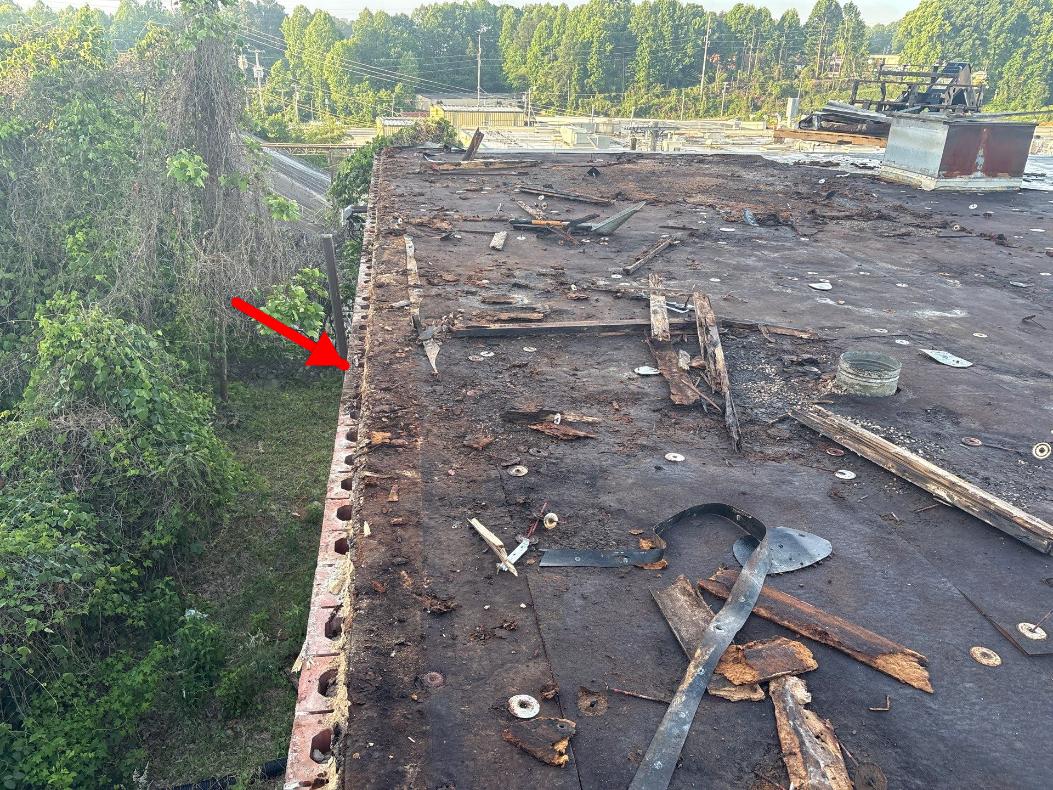
This High Point commercial building had reached the end of the line. The existing roof membrane was failing at the perimeter, and once we started the tear-off, we found what we always suspect in North Carolina’s humid climate — rotted wood decking along the edges where water had been sitting for years.
The photos from this job tell the story. Exposed, deteriorated wood at the roof edge. Dark staining. Soft spots. By the time you can see daylight from inside, the roof has been leaking for years, and that’s exactly where this building was headed.
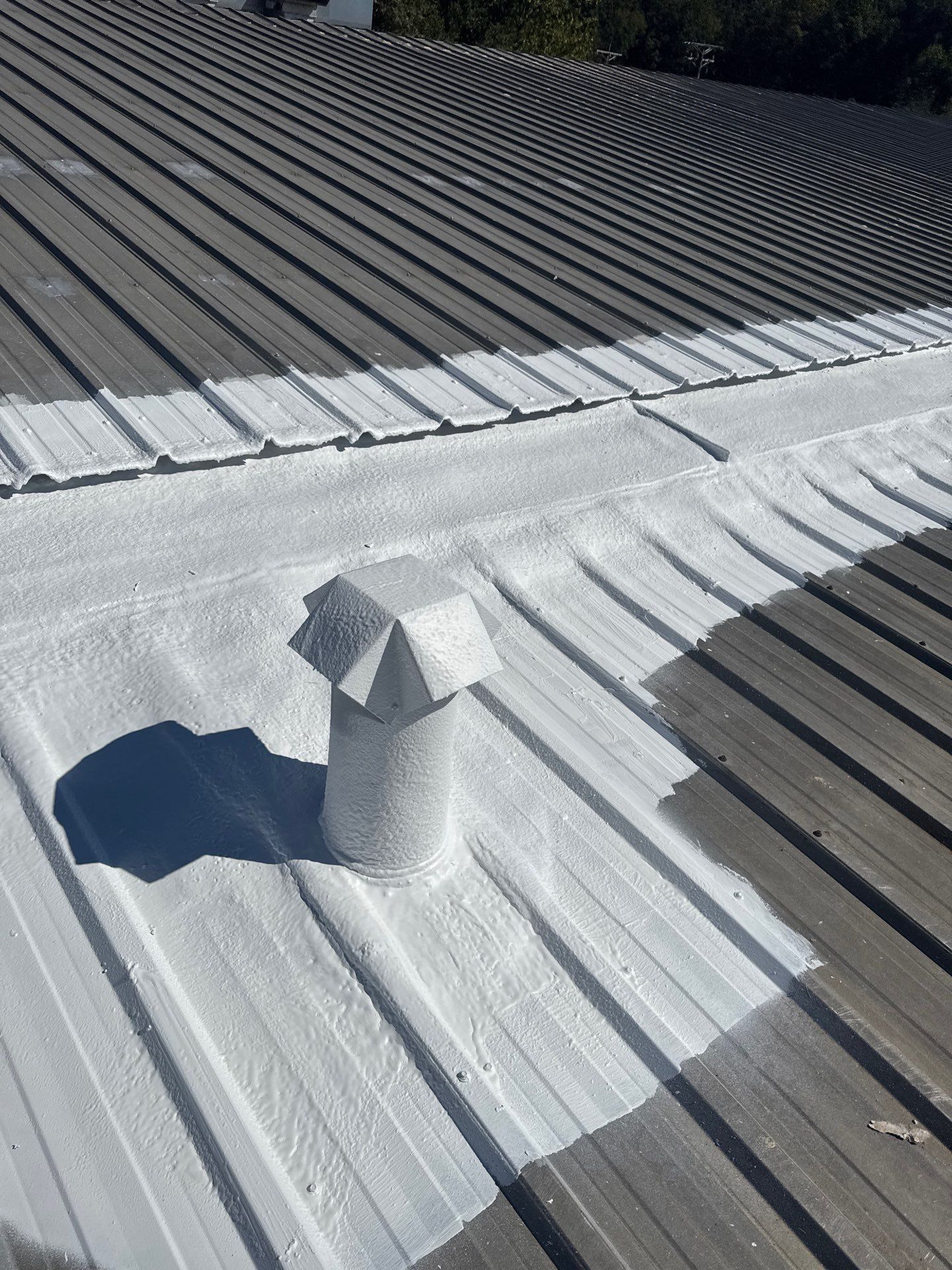
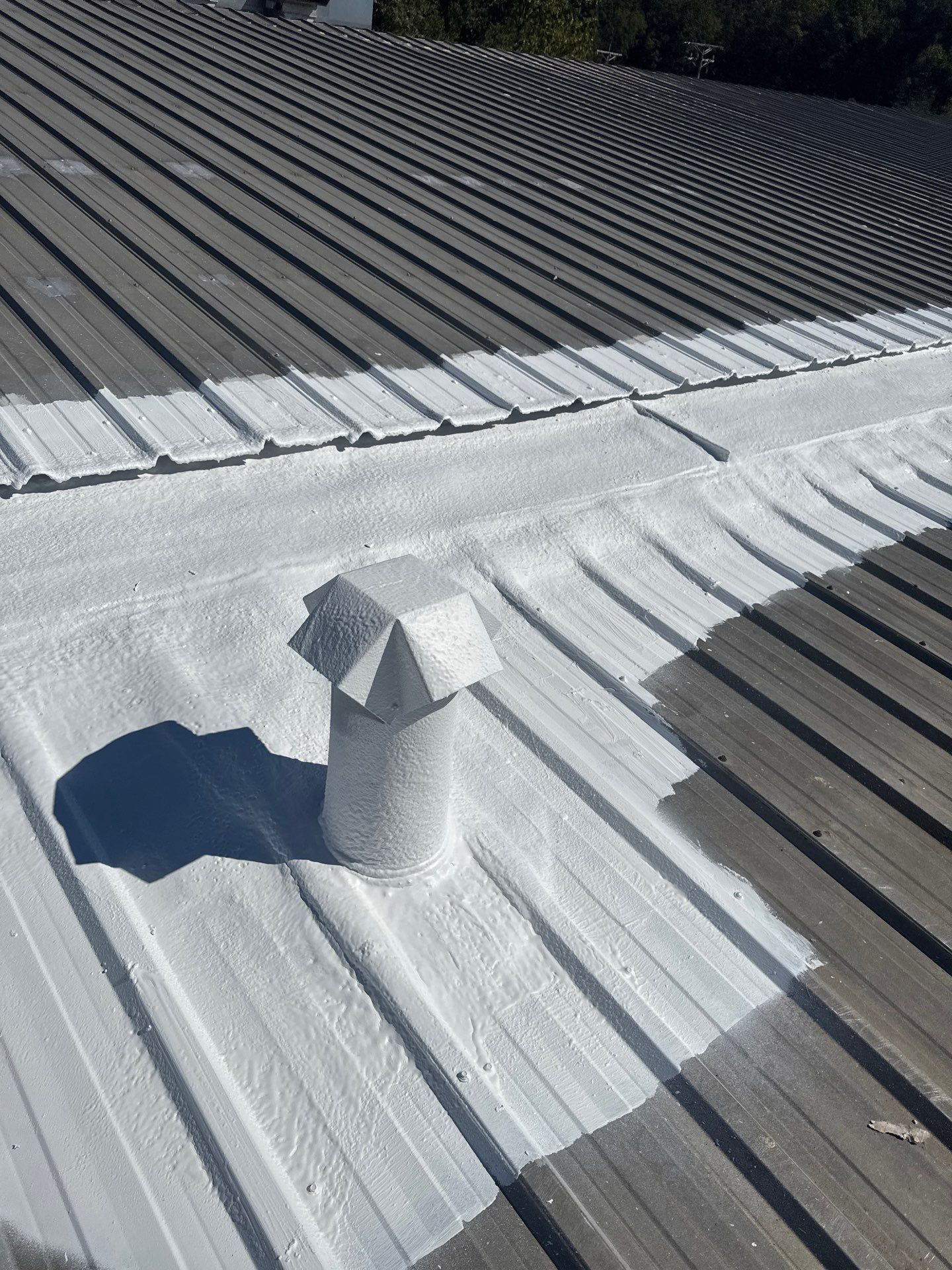
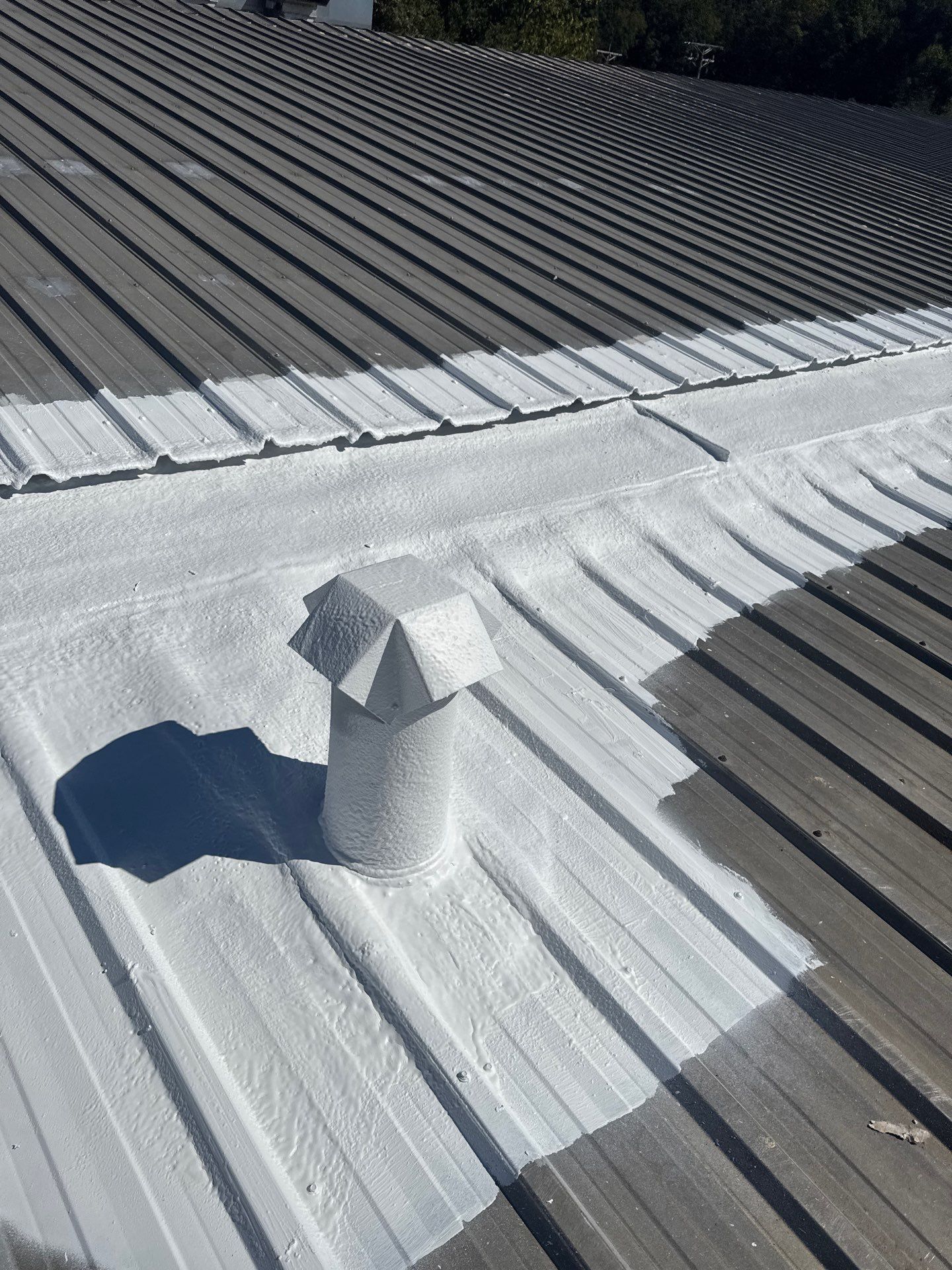
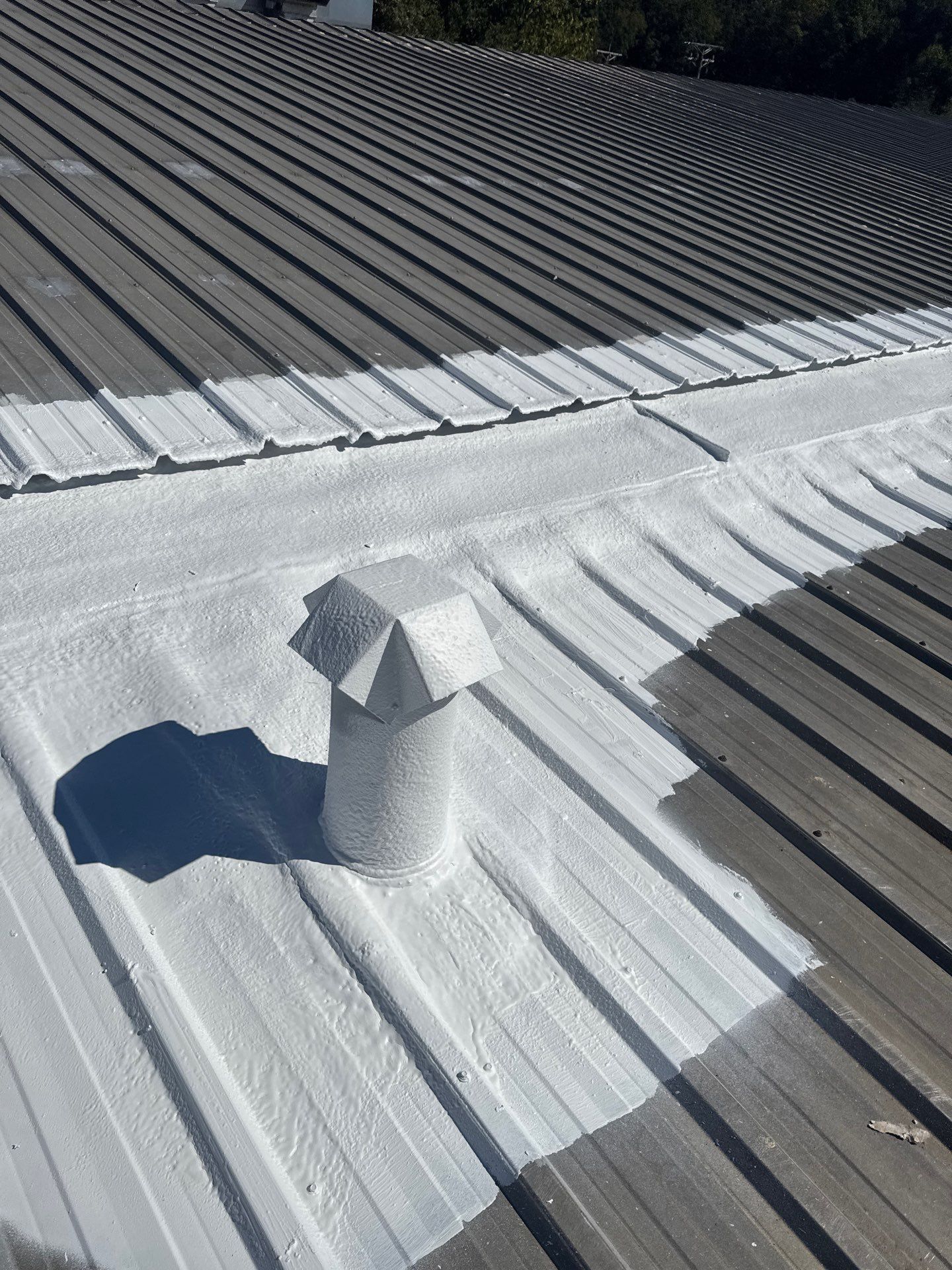
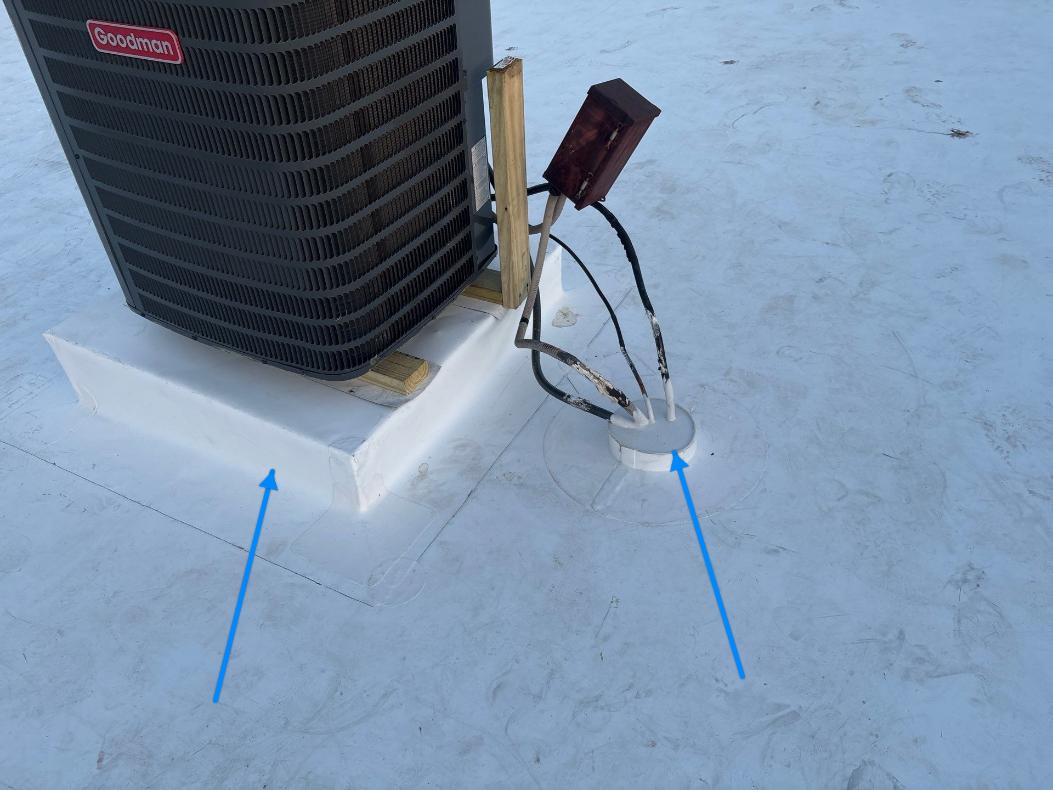
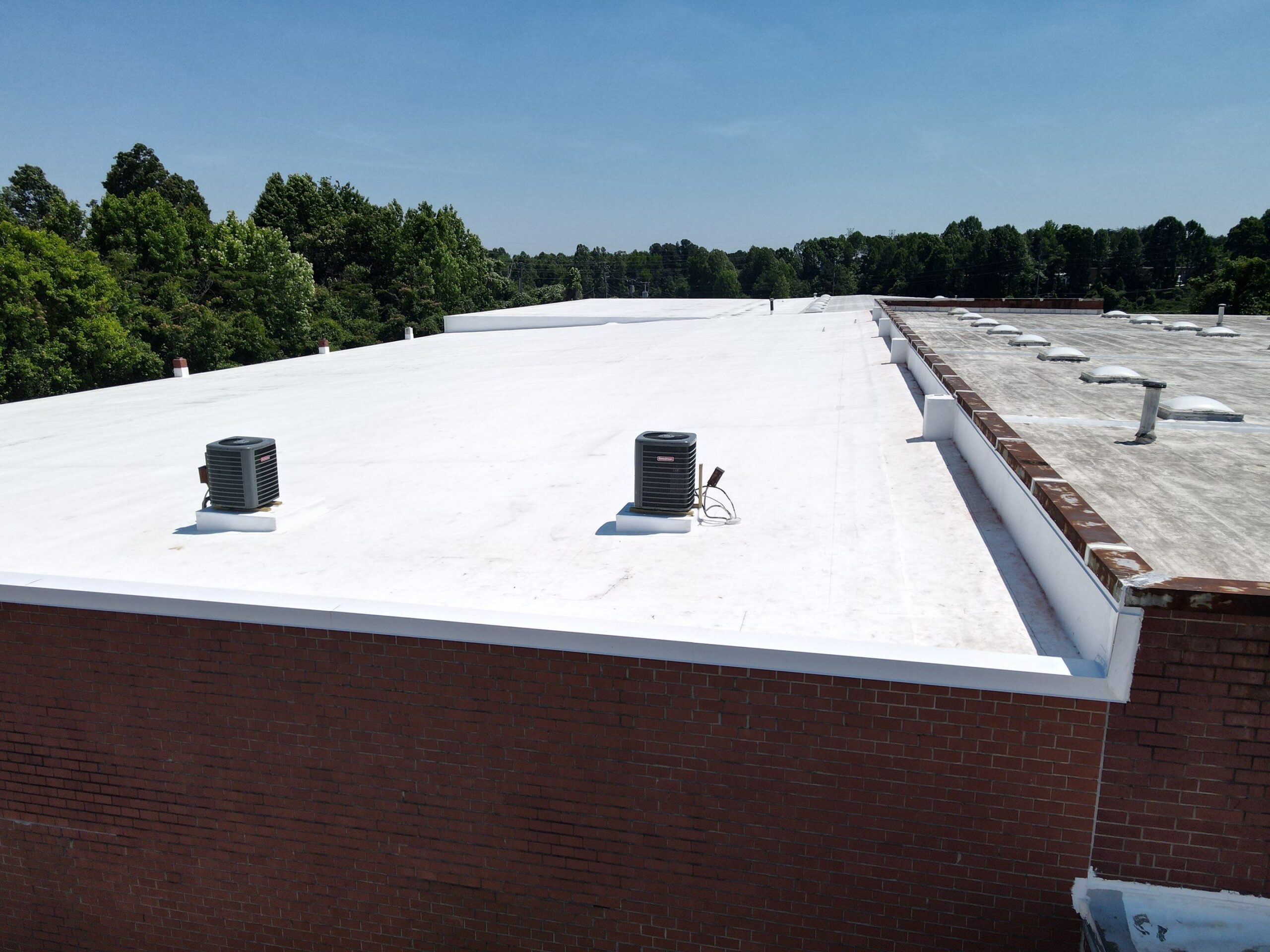
We staged the materials on site and got to work. Tore off the old system, replaced all compromised wood decking, and installed a fully adhered perimeter TPO system with proper edge details. We also built new HVAC curbs with flashing details that’ll actually keep water out — something the old setup clearly wasn’t doing.
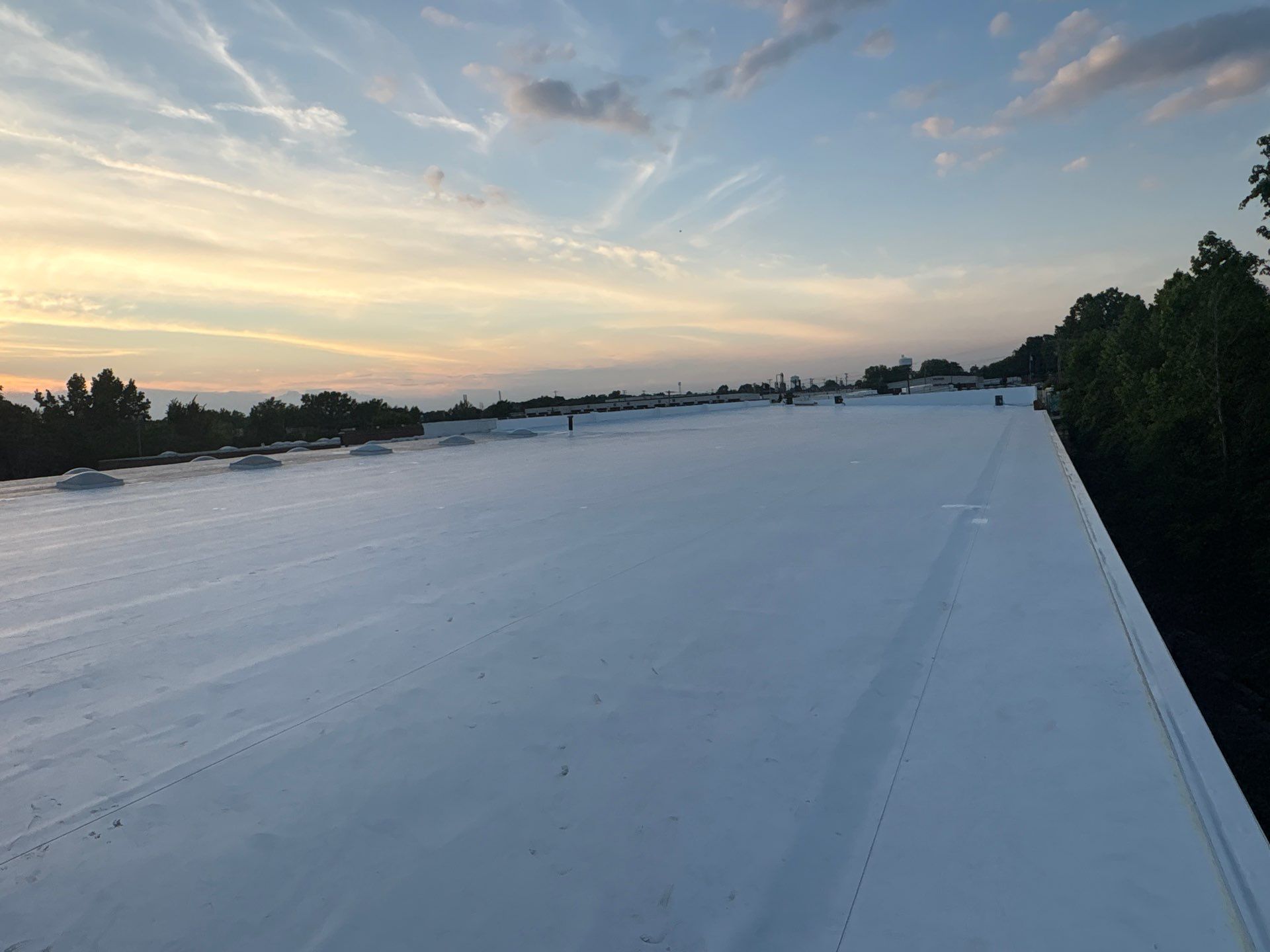
The result? A clean, white, reflective TPO roof that’ll handle North Carolina summers without breaking a sweat.
Why TPO Roofing Matters for Thomasville NC Commercial Buildings
Thomasville sits right in the middle of North Carolina’s furniture manufacturing belt, which means we’ve got plenty of older commercial and industrial buildings with flat roofs. Many of these structures were built with modified bitumen, EPDM, or built-up roofing systems that are now 20, 30, even 40 years old.
TPO has become the standard replacement for good reason. It reflects UV radiation instead of absorbing it, which matters when you’re running air conditioning six months a year. The heat-welded seams create a watertight bond that actually gets stronger over time, unlike tar-based patches that crack and fail.
We see the same patterns in Kannapolis, Concord, Burlington, and Kernersville — older commercial roofs that were patched repeatedly until the patches themselves became the problem. Our TPO Roofing services provide a long-term solution that stops the patch-and-pray cycle.
The humidity here accelerates wood rot once water gets past the membrane. That’s why proper edge details and fully adhered perimeters matter so much. Wind-driven rain doesn’t just run off — it sits, it soaks, it finds every gap in your flashing.
The TPO Installation Process: How We Handled This High Point Project
Every TPO installation follows a similar process, but the details change based on what we find during tear-off.
First, we stripped the old roofing system down to the deck. This revealed the extent of the wood damage at the perimeter — something you can’t fully assess until you’re in there. We replaced all rotted sections with new decking that’s properly fastened and structurally sound.
Next comes the TPO installation itself. We used a fully adhered system at the perimeter, which creates a wind-resistant bond that’s critical in our area. Spring storms and summer thunderstorms can generate serious wind uplift, and mechanically attached systems at the edge are vulnerable points.
All seams get heat-welded with specialized equipment. This creates a homogeneous bond — essentially making the seams as strong as the membrane itself. No caulk. No tape. No adhesive that’ll break down in UV exposure.
The HVAC curbs got rebuilt from scratch. We see too many roofers try to reuse old curbs or slap new flashing over rotted wood. We built new curbs with proper cant strips, base flashing, and counterflashing details. These penetrations are where most commercial roofs leak, so we don’t cut corners.
The finished product is a bright white TPO surface that’ll stay flexible through temperature swings, resist punctures from foot traffic and debris, and provide a watertight seal for decades if maintained properly.
Signs Your Commercial Building Needs TPO Roofing in Thomasville NC
Here’s what to watch for:
- Visible ponding water — If water sits on your roof for more than 48 hours after rain, you’ve got drainage problems that are shortening your roof’s life every day
- Interior water stains — Brown spots on ceiling tiles or walls mean water’s been coming in for a while, probably longer than you think
- Blistering or bubbling membrane — This happens when moisture gets trapped under the roofing material and expands in the heat
- Cracked or dried-out seams — Old EPDM and modified bitumen systems fail at the seams first, especially after 15-20 years of UV exposure
- Patchwork repairs that keep failing — If you’re calling a roofer every year to patch the same areas, you’re spending money without solving the problem
- High cooling costs — Dark roofs absorb heat; if your HVAC system runs constantly in summer, your roof might be costing you more than you realize
- Roof age over 20 years — Most commercial roofing systems are designed for 15-25 year lifespans; once you’re past that, you’re on borrowed time
We work with commercial building owners throughout Salisbury, Asheboro, and the surrounding area who waited too long and ended up with structural damage. The roof replacement became a deck replacement, which cost more and took longer. Annual inspections catch these problems before they compound.
Why Choose Sunny Sky Roofing LLC for TPO Roofing Thomasville NC Projects
We’re based in High Point, which means we’re local to Thomasville, Archdale, Lexington, and the entire Piedmont Triad region. We understand the climate here — the summer heat and humidity, the afternoon thunderstorms, the occasional ice storm that catches everyone off guard.
Joe Yutzy runs Sunny Sky Roofing LLC with a straightforward approach: do the work right, use quality materials, and don’t hide problems from the building owner. When we tear off a roof and find rotten decking, we document it, show you the photos, and explain exactly what needs to happen.
We’re members of organizations like the National Roofing Contractors Association, which keeps us current on installation standards and best practices. Commercial roofing isn’t something you figure out as you go — it requires training, proper equipment, and experience with different building types.
Our service area covers commercial roofing in the surrounding area throughout the Triad and beyond. Whether you’re managing a warehouse in Kernersville, an office building in Burlington, or a manufacturing facility in Kannapolis, we’ve handled similar projects.
We also don’t disappear after installation. TPO roofs need annual inspections to catch small problems before they become big ones. We’ll check your seams, examine penetration flashings, clear drains, and document the roof’s condition. That documentation matters for warranty compliance and for planning future capital expenses.
Frequently Asked Questions About TPO Roofing
How long does a TPO roof last in North Carolina?
A properly installed TPO roof typically lasts 20-30 years in our climate. The key factors are installation quality, annual maintenance, and addressing small issues promptly. UV exposure and thermal cycling are hard on any roofing material, but TPO is designed specifically to handle both. We recommend annual inspections at minimum to maximize your roof’s lifespan.
Is TPO better than EPDM for commercial buildings in Thomasville?
TPO offers some advantages for our climate. The white surface reflects more UV radiation, which keeps the building cooler and reduces cooling costs. The heat-welded seams are stronger than EPDM’s tape or adhesive seams. EPDM is still a solid product, but TPO has become the more popular choice for commercial applications over the past 15 years, and for good reason.
Can you install TPO over an existing roof?
Sometimes, but not always. It depends on the condition of the existing roof deck and whether the current system has trapped moisture. In many cases, especially with older roofs that have been leaking, a full tear-off is the smarter approach. It lets us inspect the deck, replace any damaged sections, and start with a clean substrate. We won’t recommend a recovery system if we think it’ll cause problems down the road.
Do TPO roofs require maintenance?
Yes. Every commercial roof needs annual inspections at minimum. We check seams, inspect flashings around penetrations, clear debris from drains, and look for any signs of damage from foot traffic or storms. Catching a small seam separation or a loose flashing early means a quick repair. Ignoring it means water intrusion and expensive damage. Maintenance isn’t optional if you want your roof to reach its full lifespan.
Ready to Discuss Your Commercial Roofing Project?
If you’re dealing with a failing commercial roof in Thomasville, Archdale, Asheboro, or anywhere in the Triad, we can help. We’ll inspect your current roof, explain exactly what we find, and give you a straightforward assessment of your options.
No pressure. No inflated claims about how long your roof will last. Just honest information from a local contractor who’s done this work hundreds of times across the region.
Call Sunny Sky Roofing LLC at 336-523-2103 or contact us through our website. We serve Thomasville and the surrounding North Carolina communities with commercial roofing services that actually solve problems instead of just covering them up.