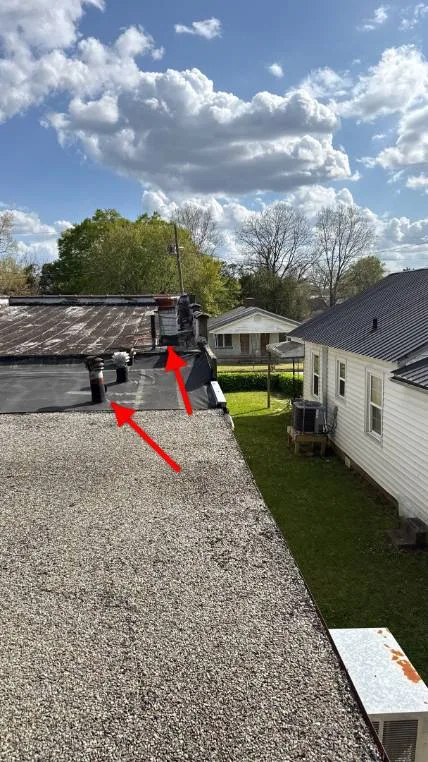

We work on a lot of commercial roofs across the Triad, and Winston-Salem properties have their own challenges. Between the summer heat that bakes flat roofs on Stratford Road warehouses and the humidity that never quite lets up, older commercial buildings here weren’t always built with energy costs in mind. When you’re running HVAC units overtime just to keep a space comfortable, and your roof insulation is thin or nonexistent, spray foam in Winston-Salem, NC becomes more than a roofing upgrade—it’s a way to stop throwing money away every month.
\n\n
What We Did in Kingston and Why It Applies to Winston-Salem Buildings
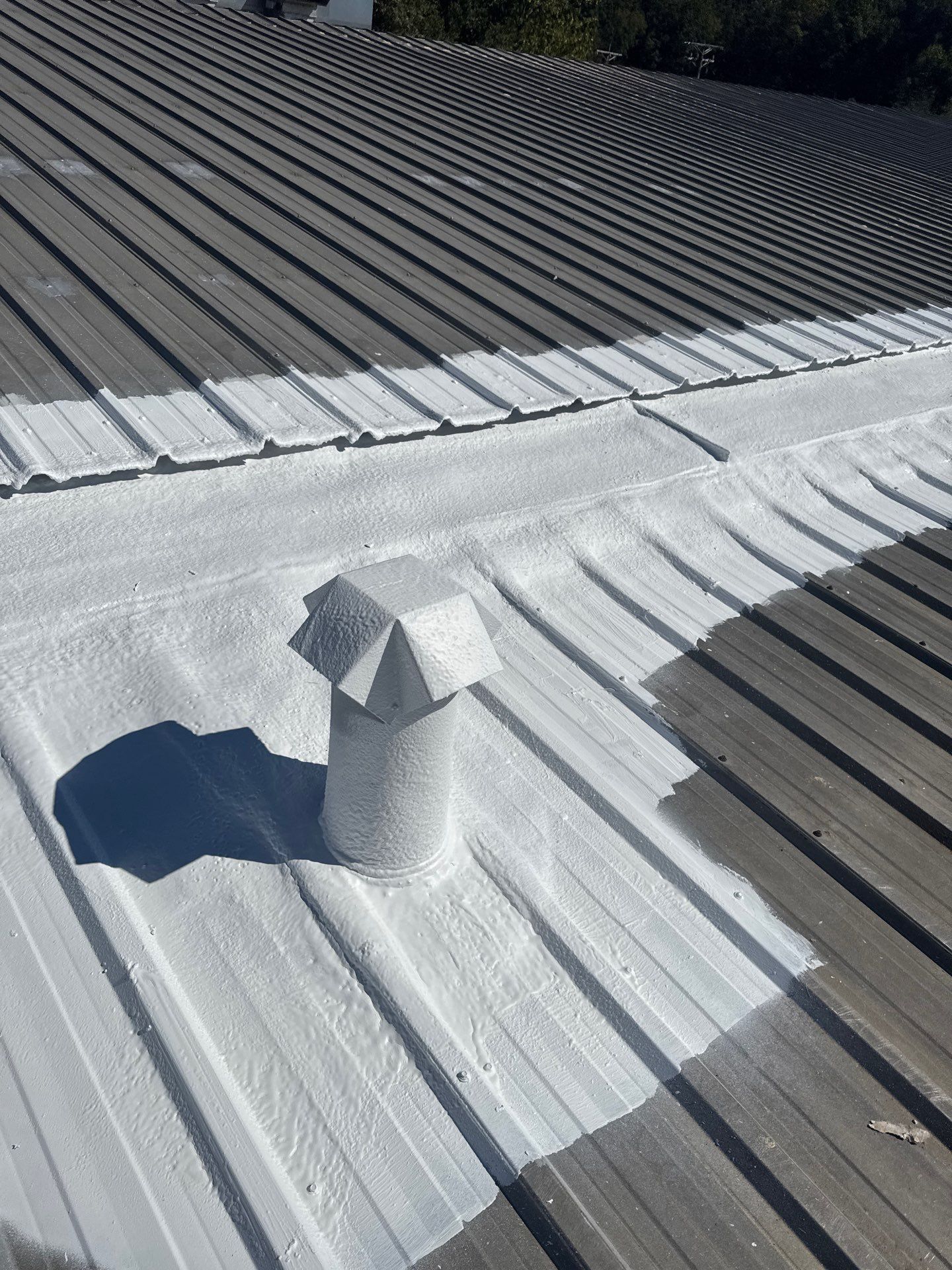
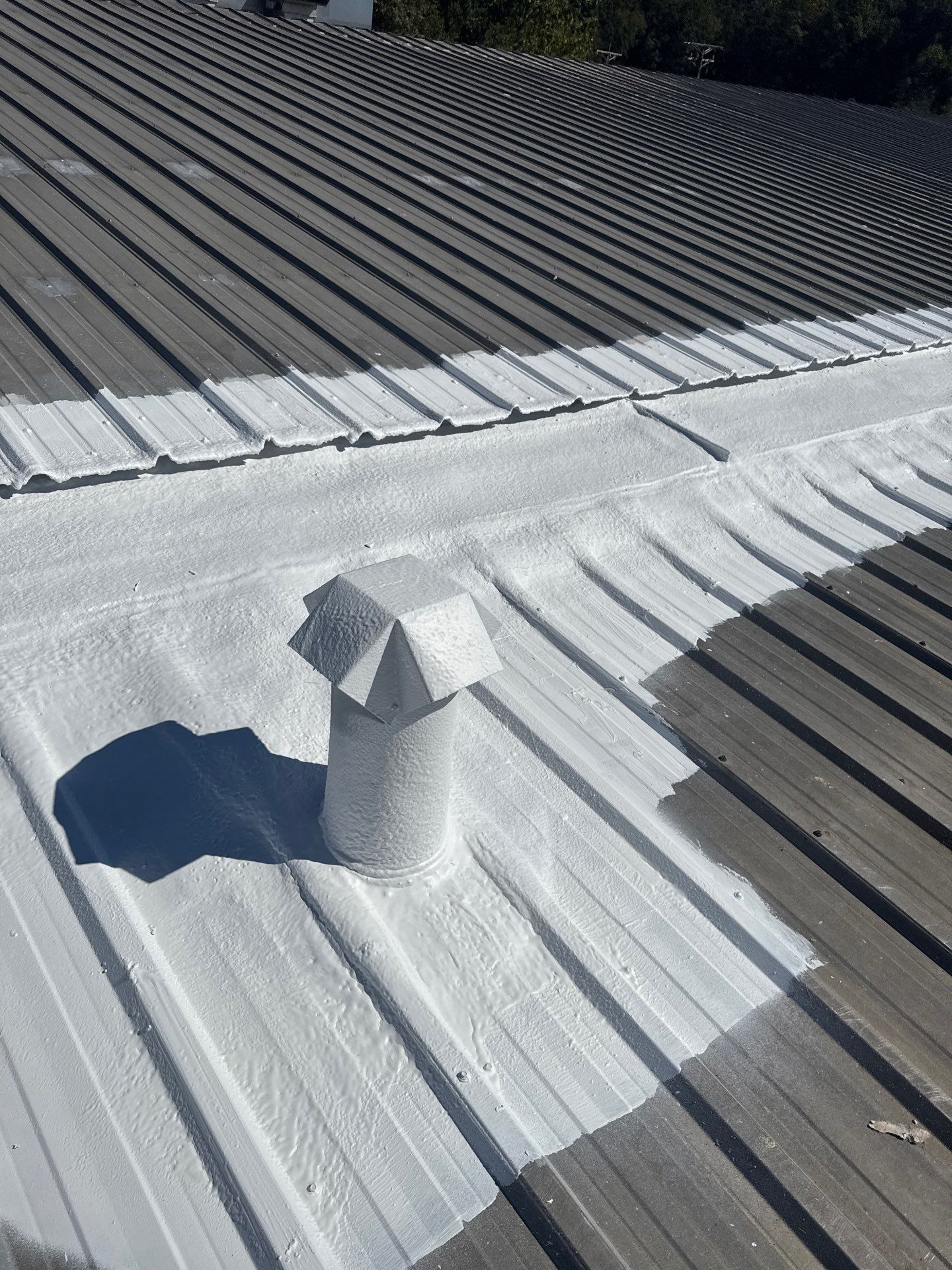
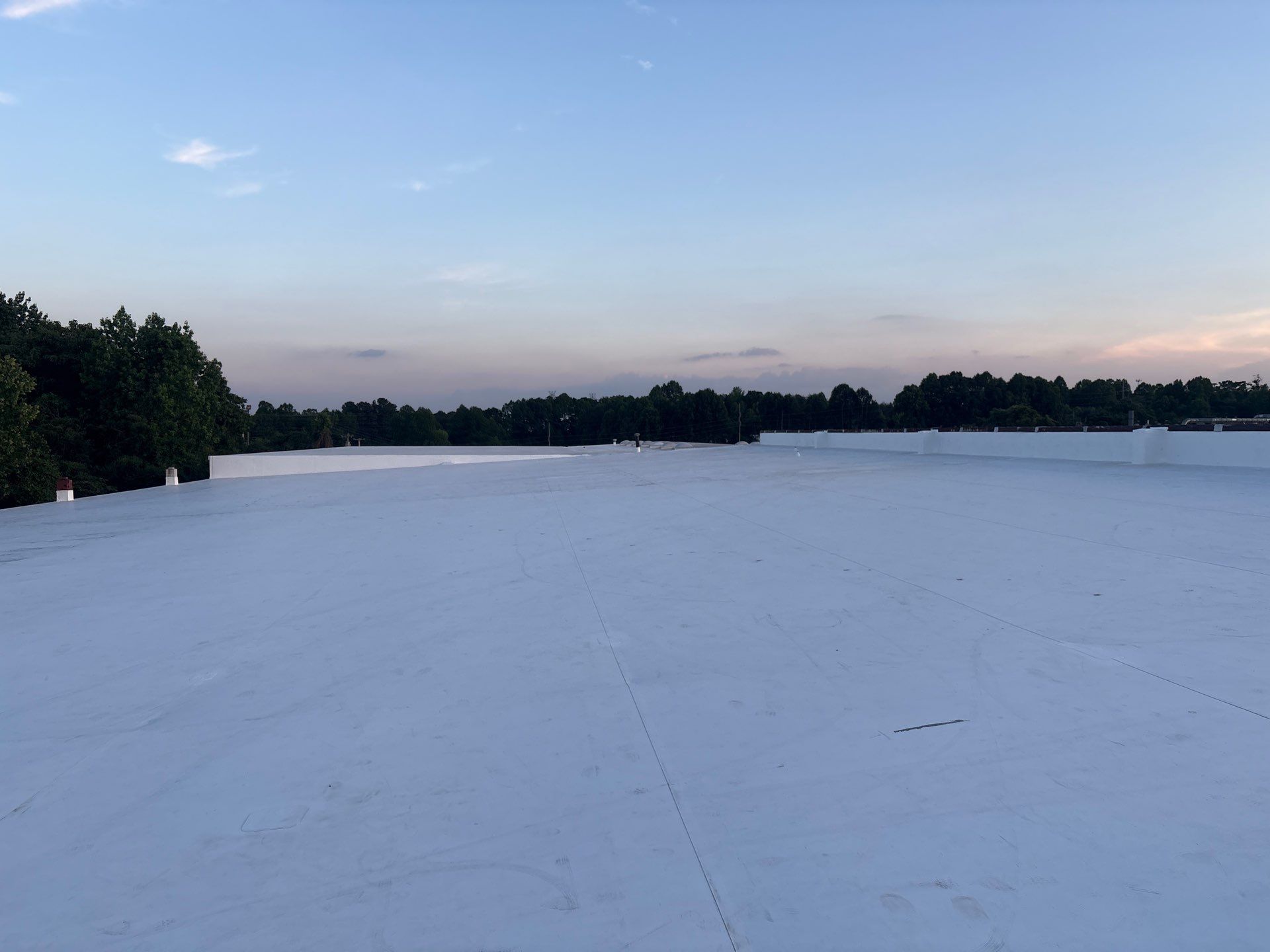
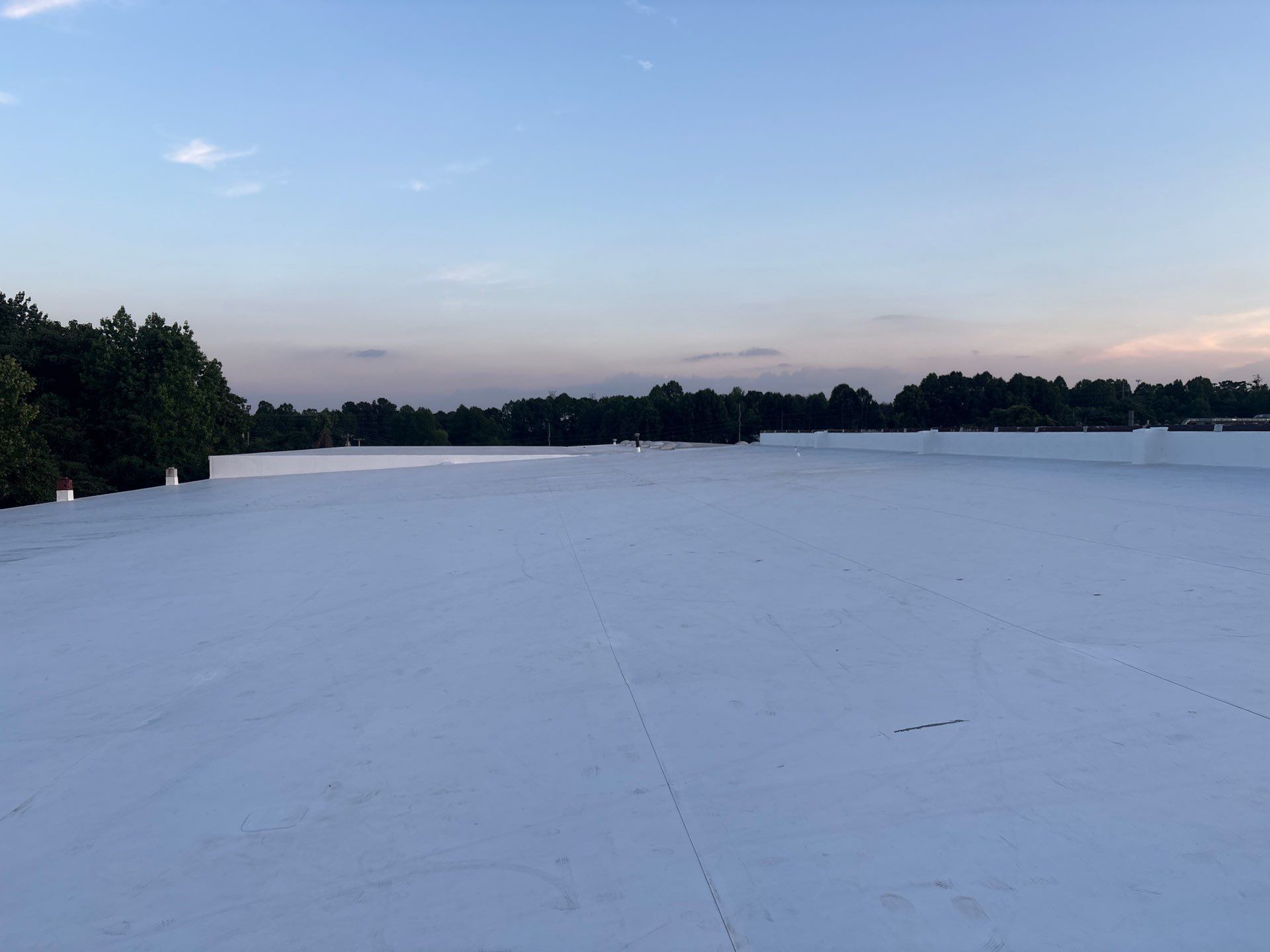
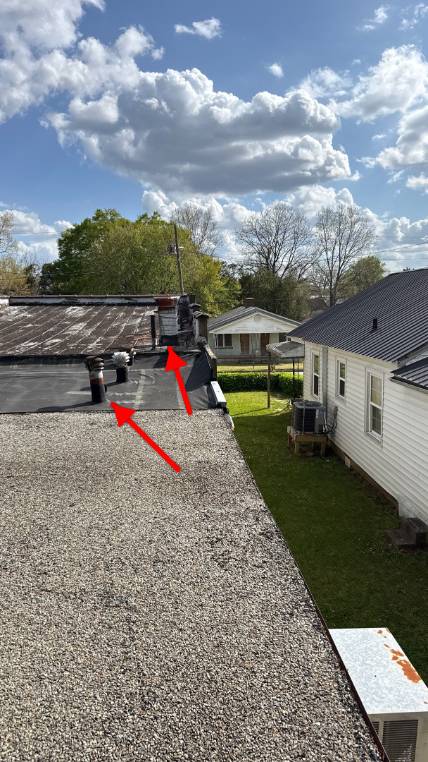
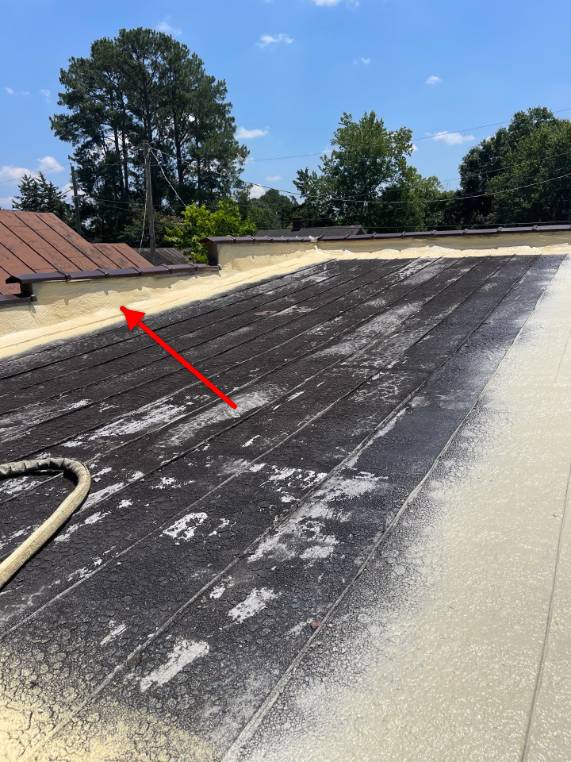
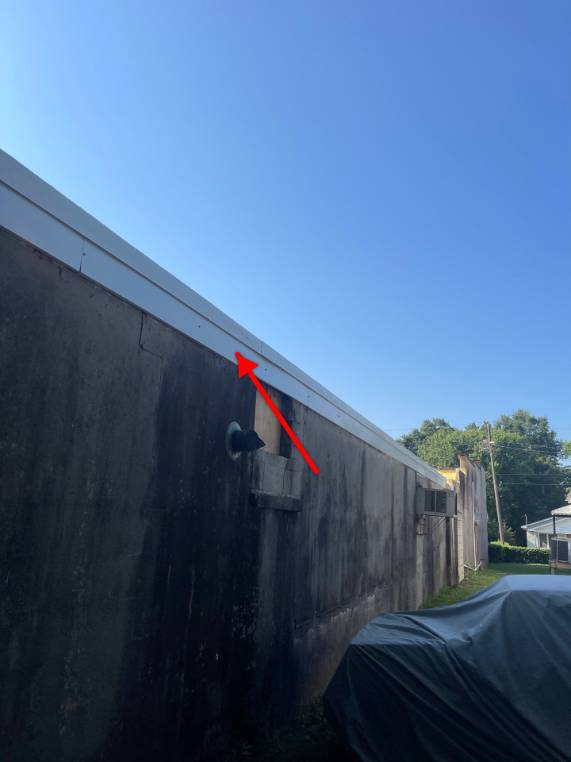
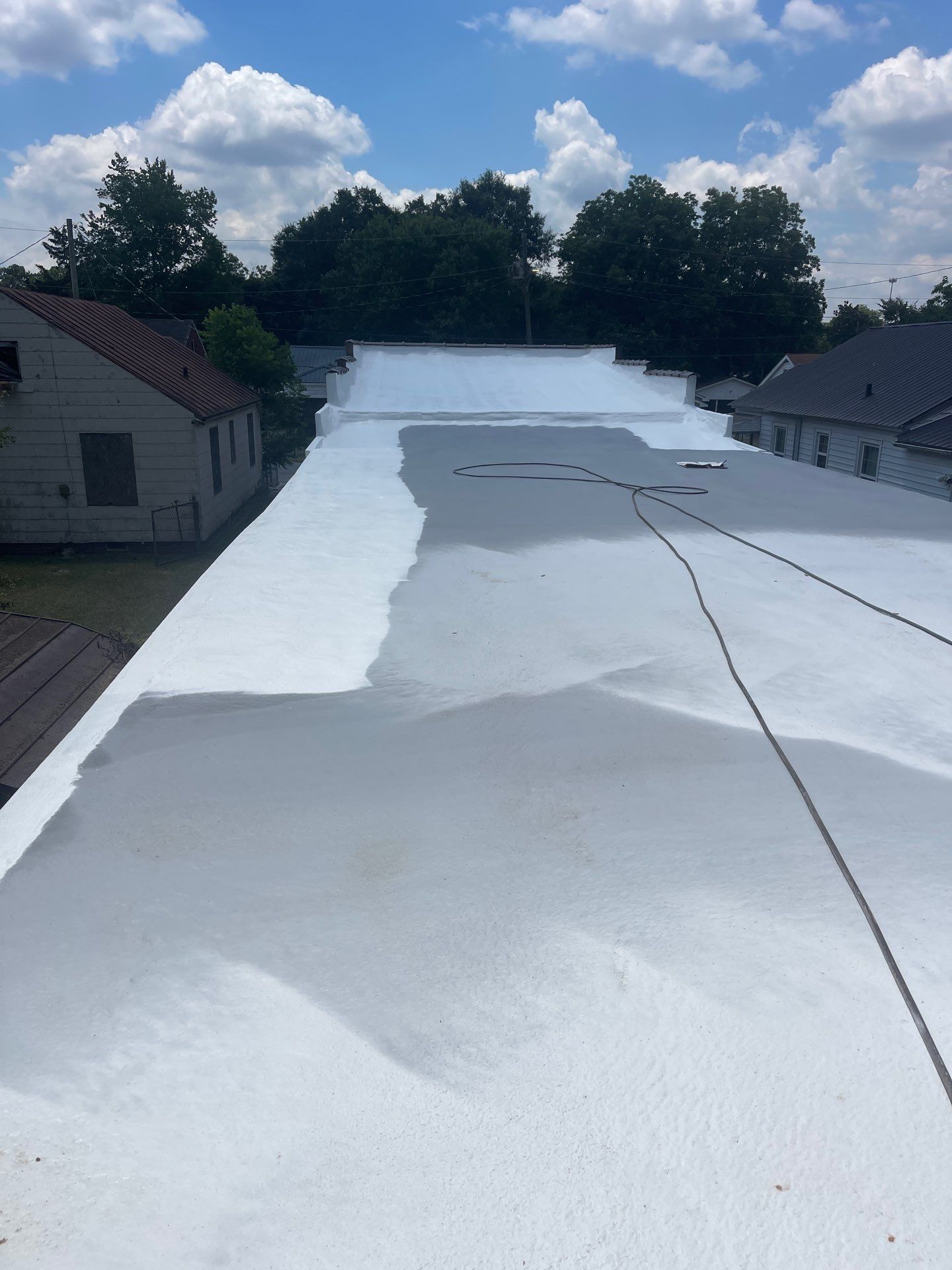
\n\p>We just finished a spray foam project in Kingston that’s a perfect example of what this system can do for older commercial roofs. The building had an aging roof with minimal insulation value. The owner was dealing with high energy bills and knew a full tear-off wasn’t in the budget or timeline. We applied a spray foam system that sealed the roof, added serious R-value, and topped it with a bright white reflective coating.
\n\n
The same conditions exist all over Winston-Salem. Strip malls along Peters Creek Parkway. Industrial buildings near the Hanes Mall area. Warehouses out toward Clemmons. Most were built decades ago when insulation standards were lower and energy was cheap. Now those thin roof decks are costing owners real money.
\n\n
Our Spray Foam services address this head-on. You get a watertight seal, added insulation, and a roof surface that reflects heat instead of absorbing it.
\n\n
The ROI of Spray Foam for Winston-Salem NC Commercial Properties
\n
Let’s talk numbers without getting into the weeds. Spray foam roofing pays for itself through energy savings. It’s not instant, but it’s real.
\n\n
Here’s what happens when we install spray foam on an older commercial roof in Winston-Salem:
\n\n
Insulation boost. Most older roofs have R-values between 10 and 15 if they have insulation at all. Spray foam adds R-6 per inch. We typically apply two to three inches depending on the existing deck and conditions. That’s R-12 to R-18 added on top of what’s there. Your HVAC system doesn’t have to fight the roof anymore.
\n\n
Air sealing. Spray foam expands and fills gaps. It seals around penetrations, along seams, at roof edges. Conditioned air stays inside. Hot humid air stays out. This matters more than most building owners realize. Air leaks waste more energy than poor insulation alone.
\n\n
Reflectivity. The white elastomeric coating we apply over spray foam reflects up to 85% of UV rays. A black or dark gray roof in Winston-Salem can hit 170 degrees on a July afternoon. A white spray foam roof stays closer to 120 degrees. That’s a massive difference in heat transfer into your building.
\n\n
Building owners typically see energy cost reductions between 20% and 40% depending on the building type, existing insulation, and HVAC efficiency. For a 20,000-square-foot warehouse running $2,000 a month in cooling costs during summer, that’s $400 to $800 per month in savings during peak season. Over a year, you’re looking at real money.
\n\n
The other ROI factor is roof life. Spray foam systems last 25 to 30 years with proper maintenance. Compare that to a modified bitumen or TPO roof that might give you 15 to 20 years. You’re not just saving on energy—you’re pushing your next roof replacement further into the future.
\n\n
Why Spray Foam Winston-Salem NC Makes Sense for Our Climate
\n
Winston-Salem sits right in the middle of North Carolina’s humid subtropical zone. We get hot summers, moderate winters, and humidity year-round. That combination is tough on commercial roofs.
\n\n
Traditional roof systems deal with constant expansion and contraction. Metal roofs move with temperature swings. Seams open up. Single-ply membranes shrink and pull at fasteners. Every penetration is a potential leak point when water sits on a flat roof after one of our summer thunderstorms.
\n\n
Spray foam eliminates most of those problems. It’s monolithic—no seams, no fasteners penetrating the waterproof layer. It sticks to the existing roof deck and moves with it. When the substrate expands or contracts, the foam moves along with it. The elastomeric coating on top stretches and recovers.
\n\n
The reflective white surface matters more here than in cooler climates. Winston-Salem averages 85 to 90-degree days from June through August, with plenty of days pushing into the mid-90s. The sun is relentless. A dark roof absorbs all that heat and radiates it down into your building. Your HVAC system runs constantly just to maintain temperature. A reflective spray foam roof rejects that heat before it ever becomes a cooling load.
\n\n
Humidity is the other factor. Spray foam creates a vapor barrier. It doesn’t absorb moisture like old insulation materials. It won’t compress or lose R-value when exposed to humid air. For commercial roofing in Winston-Salem, that’s a real advantage over systems that can trap moisture in the assembly.
\n\n
The Spray Foam Process We Follow
\n
We don’t cut corners. Spray foam roofing requires prep work and precision. Here’s what the process looks like when we show up to a commercial building in Winston-Salem.
\n\n
Inspection and prep. We assess the existing roof deck. We’re looking for structural issues, wet insulation, areas that need repair before foam goes down. If there’s standing water or failed sections, we address those first. The substrate has to be sound. Spray foam will seal and protect a roof, but it won’t fix structural problems underneath.
\n\n
Cleaning. The roof deck gets cleaned. Debris, dirt, loose material—all of it comes off. Spray foam needs a clean surface to adhere properly. We pressure wash when needed or blow off and sweep depending on conditions.
\n\n
Priming. Some substrates need primer. Metal roofs usually do. We apply primer to ensure proper adhesion between the existing roof surface and the foam.
\n\n
Foam application. We spray polyurethane foam in passes. The foam goes down in lifts, building up to the specified thickness. It expands as it’s applied, filling gaps and creating a seamless layer. This step requires experience. Temperature, humidity, and wind all affect how foam cures. We watch conditions closely and only spray when weather allows proper application.
\n\n
Coating. Once the foam cures, we apply an elastomeric coating. This is the protective layer that gives you the bright white reflective surface. It also protects the foam from UV damage. We typically apply two coats, sometimes with granules embedded for extra durability and texture.
\n\n
Flashing and detail work. Roof edges, penetrations, drains—all the details get proper flashing and sealing. This is where a lot of roofs fail, so we make sure every transition is watertight.
\n\n
Timeline depends on building size and roof complexity. A straightforward 10,000-square-foot roof might take three to five days including prep and cure time. Larger or more complex roofs take longer. Weather can extend timelines since we need dry conditions and appropriate temperatures for foam application.
\n\n
We use materials from trusted manufacturers. Closed-cell polyurethane foam rated for roofing applications. Elastomeric coatings designed to last. The National Roofing Contractors Association has specific standards for spray foam roofing systems, and we follow them.
\n\n
Signs Your Winston-Salem Building Needs Spray Foam
\n
How do you know if spray foam is the right move? Here are the situations where it makes the most sense:
\n\n
- \n
- High energy bills during summer months. If your cooling costs spike every year and the building never feels comfortable, your roof is likely part of the problem.
- An aging roof that’s not quite ready for replacement. If your roof has five to ten years left but needs help, spray foam can extend its life and improve performance now.
- Minimal existing insulation. Older commercial buildings often have little to no roof insulation. Adding spray foam is like putting a blanket on your building.
- Multiple roof penetrations and seams. The more penetrations and seams you have, the more potential leak points. Spray foam seals all of them.
- Standing water or ponding areas. Spray foam can be built up to create positive drainage and eliminate ponding that shortens roof life.
- Temperature control issues inside. Hot spots near the roof deck, inconsistent temperatures across the building—these often point to roof performance problems.
- Previous repairs that keep failing. If you’re patching the same areas repeatedly, spray foam gives you a permanent solution instead of another temporary fix.
\n
\n
\n
\n
\n
\n
\n
\n\n
We’ve seen all these situations across Winston-Salem commercial properties. Spray foam isn’t the answer for every roof, but when conditions line up, it’s hard to beat for performance and ROI.
\n\n
Maintaining Your Spray Foam Roof
\n
Spray foam roofs last decades, but they need maintenance like any roofing system. We recommend annual inspections at minimum. During those inspections, we check for coating wear, look at flashing details, make sure drains are clear, and assess overall condition.
\n\n
The elastomeric coating will eventually need renewal. Depending on UV exposure and traffic, you’re looking at recoating every 10 to 15 years. That’s a straightforward process—we clean the roof, make any minor repairs, and apply fresh coating. You get another 10 to 15 years of protection without tearing anything off.
\n\n
One advantage of spray foam is that repairs are simple. If something damages the coating—a fallen branch, HVAC work, whatever—we can patch and recoat the affected area without replacing sections or dealing with seam integrity.
\n\n
Sunny Sky Roofing offers maintenance programs for commercial properties. We track your roof’s condition, schedule regular inspections, and handle minor issues before they become expensive problems. For building owners managing multiple properties, it’s one less thing to track.
\n\n
Why Sunny Sky Roofing LLC for Spray Foam in Winston-Salem NC
\n
We’ve been handling commercial roofing across the Triad for years. Winston-Salem is part of our core service area. We know the buildings, the weather, and what works here.
\n\n
Spray foam requires specific training and equipment. Not every roofing contractor can do it properly. We’ve invested in the training, the spray rigs, and the experience to get it right. Our crews understand how weather conditions affect foam application. They know how to prep different substrates. They know detail work has to be perfect or you’ll have callbacks.
\n\n
We work with building owners to explain options honestly. Spray foam isn’t always the right answer. Sometimes a different system makes more sense for budget, timeline, or building use. We’ll tell you what we’d do if it were our building.
\n\n
Our reputation in Davidson County and across the Triad is built on quality work and straight answers. We’re not the biggest commercial roofing company in North Carolina, but we’re good at what we do, and we show up when we say we will.
\n\n
Frequently Asked Questions About Spray Foam Roofing in Winston-Salem
\n\n
How long does a spray foam roof last in North Carolina’s climate?
\n
A properly installed and maintained spray foam roof will last 25 to 30 years, sometimes longer. The key is regular inspections and recoating the elastomeric top layer every 10 to 15 years. The foam itself doesn’t degrade—the coating protects it from UV damage. Winston-Salem’s climate is actually good for spray foam because the system handles humidity well and the reflective coating saves serious money during our hot summers.
\n\n
Can you apply spray foam over an existing commercial roof?
\n
Yes, in most cases. We can apply spray foam over metal, modified bitumen, built-up roofing, and even some single-ply membranes if the substrate is structurally sound and dry. That’s one of the big advantages—you avoid the cost and disruption of a full tear-off. We assess the existing roof first to make sure it’s a good candidate. If there’s wet insulation or structural damage, we address that before foam goes down.
\n\n
What’s the real energy savings with spray foam?
\n
Building owners typically see 20% to 40% reduction in cooling costs depending on the building’s existing insulation, HVAC efficiency, and use patterns. The savings come from three things: added insulation R-value, air sealing around penetrations and edges, and the reflective white coating that rejects heat. A 20,000-square-foot warehouse might save $3,000 to $6,000 per year in energy costs. The payback period is usually seven to twelve years, and the roof lasts 25 to 30 years, so you’re way ahead over the life of the system.
\n\n
How much does spray foam roofing cost compared to replacement?
\n
Spray foam is more cost-effective than a full tear-off and replacement in most situations where the existing deck is sound. You’re eliminating demo costs, disposal fees, and the expense of a complete new roof assembly. Exact costs depend on roof size, complexity, existing conditions, and foam thickness. We provide detailed quotes after inspecting your specific building. The better comparison is total cost of ownership—when you factor in energy savings and 25 to 30-year lifespan, spray foam is often the smarter long-term investment.
\n\n
Ready to Improve Your Winston-Salem Commercial Roof?
\n
If you’re dealing with high energy bills, an aging roof, or you just want to know whether spray foam makes sense for your building, we’re happy to take a look. We’ll give you honest feedback and a detailed quote.
\n\n
Sunny Sky Roofing LLC serves commercial properties throughout Winston-Salem and the Triad. We’ve seen what spray foam can do for older buildings, and the ROI speaks for itself when conditions are right.
\n\n
Call us at (336) 523-2103 to schedule a roof assessment. We’ll come out, inspect your roof, and walk you through your options. No pressure, just straight answers from contractors who do this work every day.