
We’ve worked on a lot of roofs in Davidson County, and Lexington buildings face a specific set of challenges most owners don’t think about until something goes wrong. The heat here in summer isn’t just uncomfortable—it cooks your roof membrane. The humidity doesn’t let up. And when storms roll through, they don’t announce themselves with a week’s notice. That’s why maintenance in Lexington, NC isn’t optional if you want your commercial roof to last. It’s the difference between catching a problem when it’s a $300 fix and discovering it when you’re looking at water damage inside your building.
\n\n
What We Found During This Maintenance Visit in Greensboro
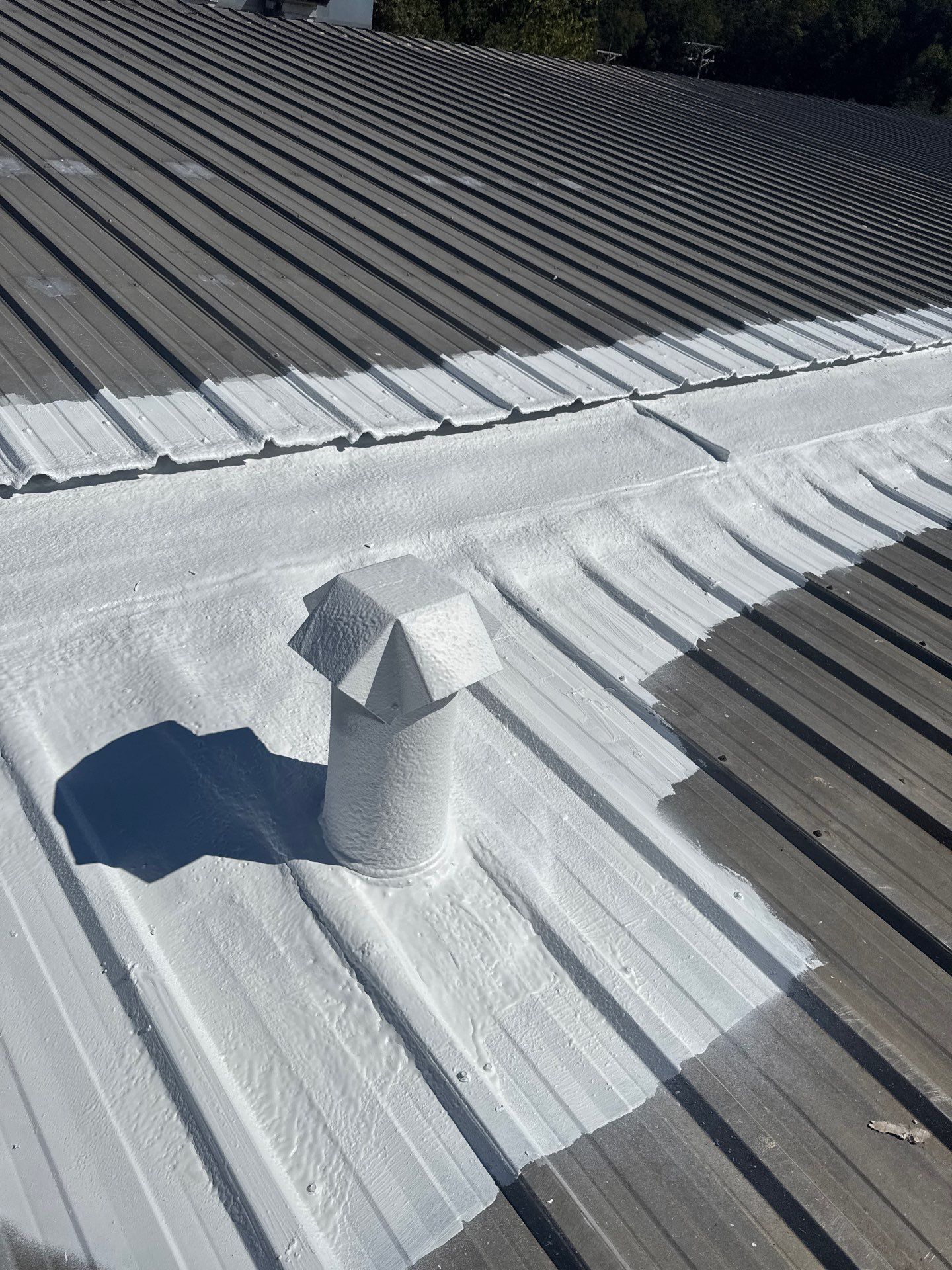
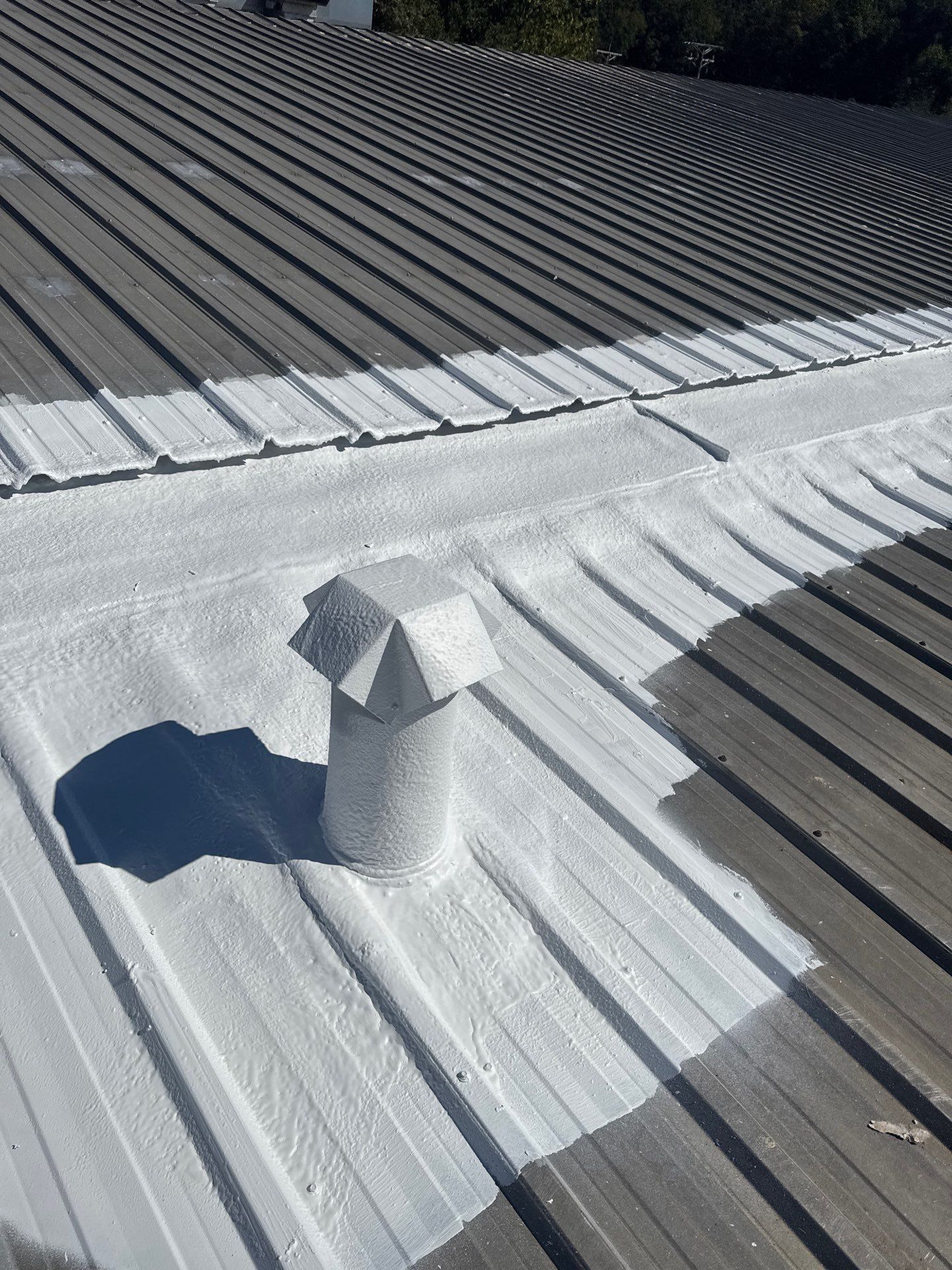
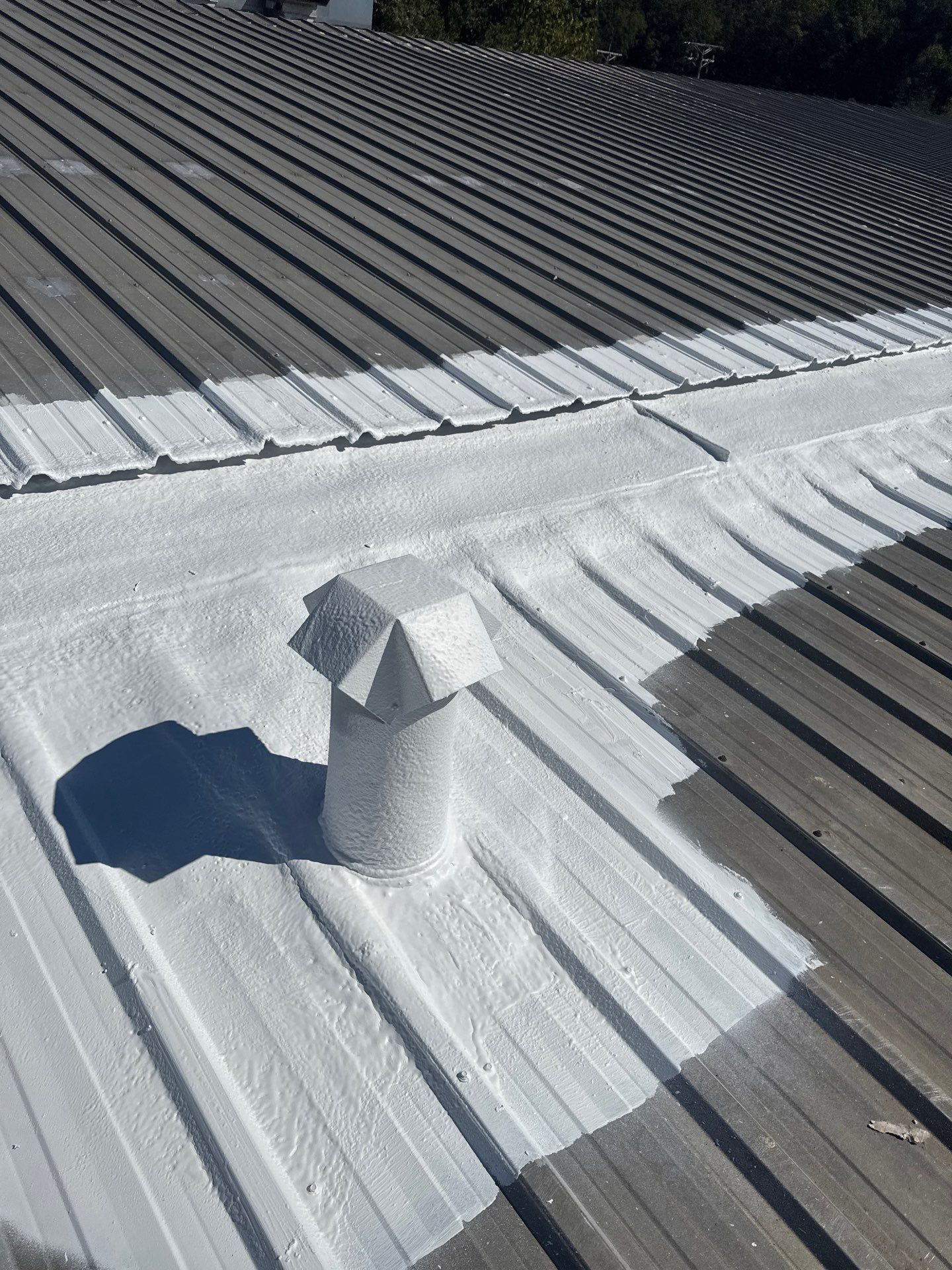
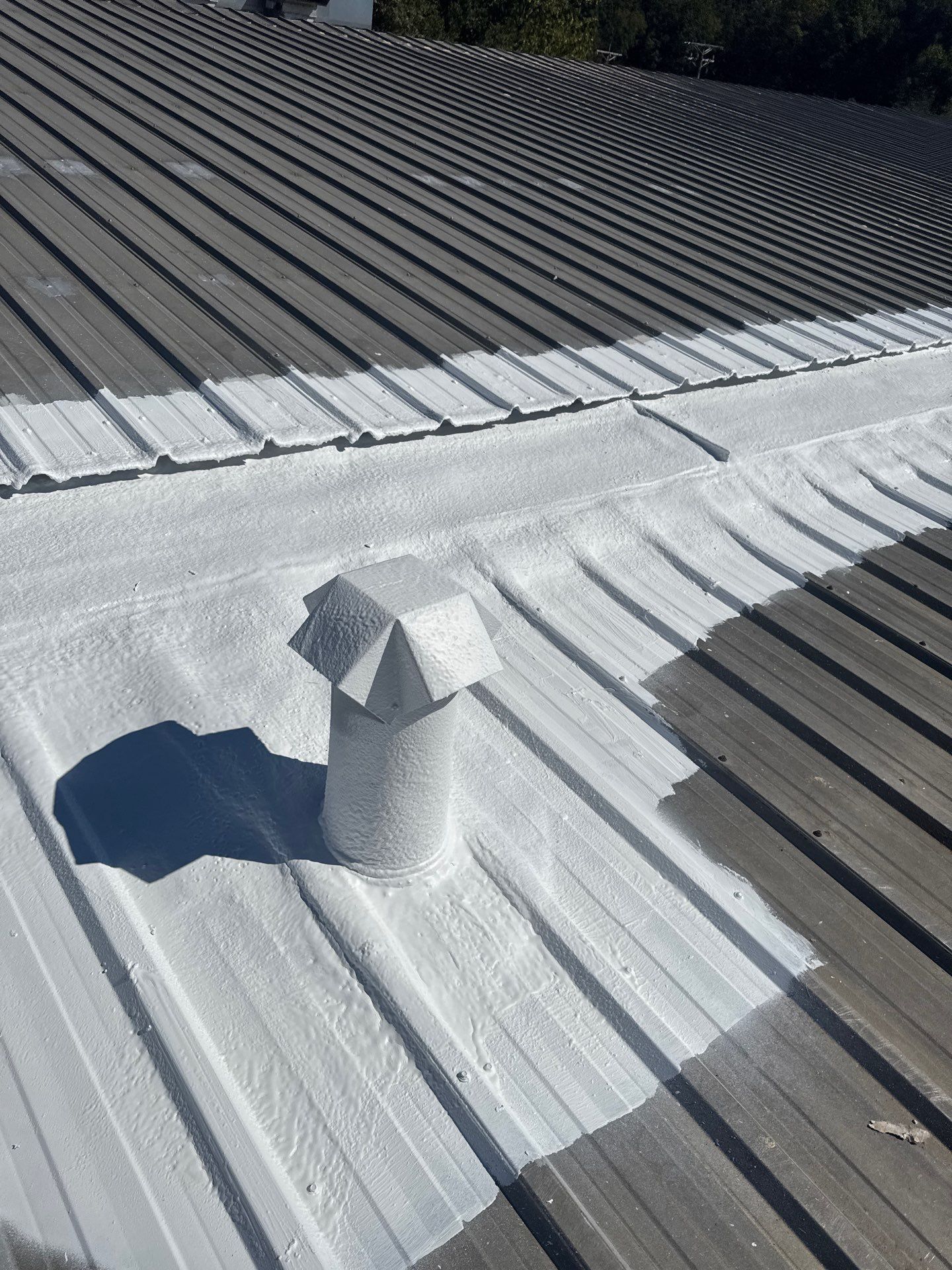
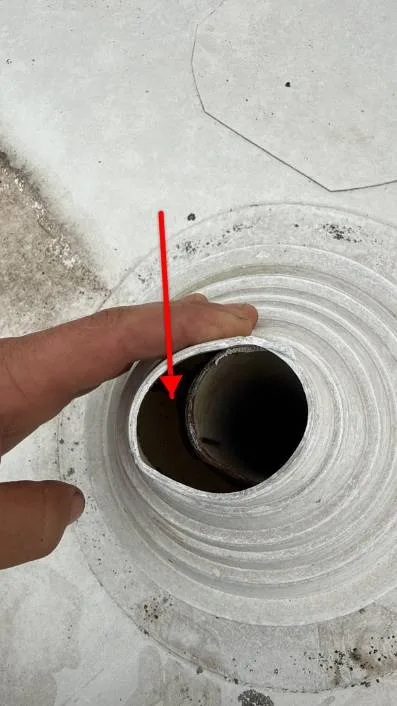
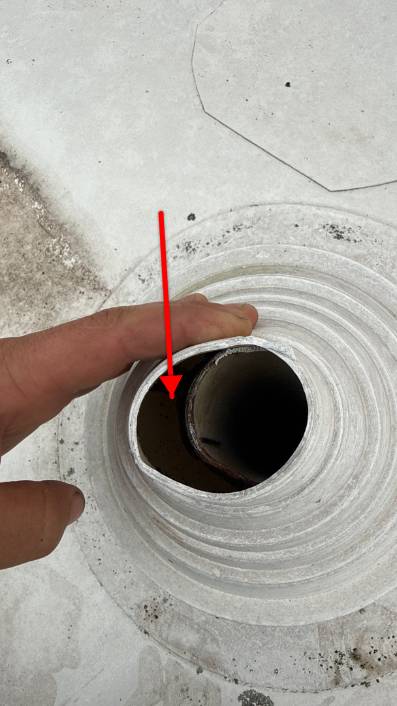
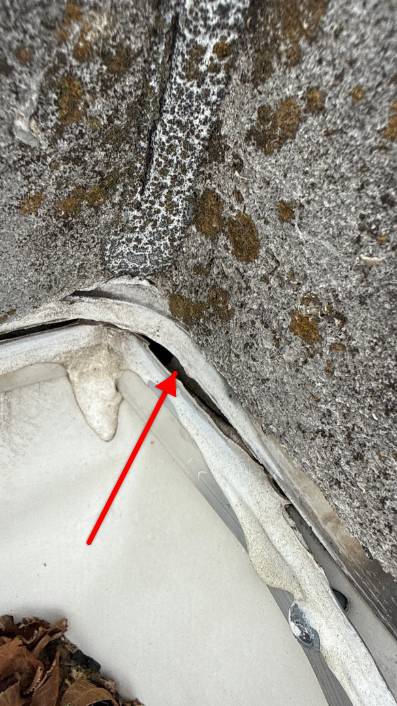
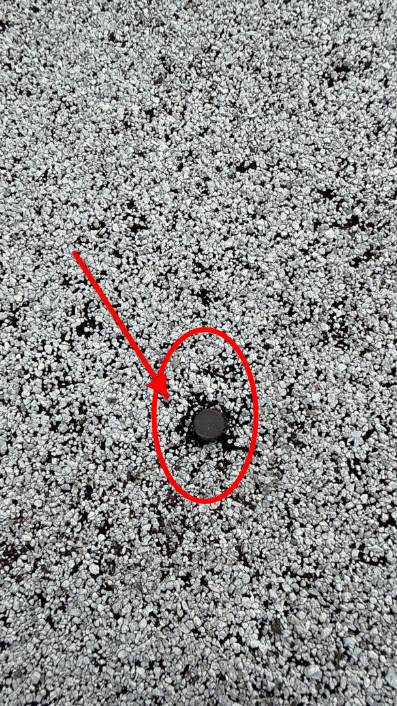
\n\p>We were doing a routine maintenance inspection on a commercial building with a TPO roof when we spotted exactly the kind of issues that turn into expensive problems if nobody’s paying attention. The TPO membrane itself was aged, and we found cracked caulking around penetrations. But the real issue was improper pipe boot flashing—the kind of installation shortcut that looks fine for a year or two, then fails when you least expect it.
\n\n
Pipe boots are one of those details that separate a roof that lasts from one that leaks. When they’re installed wrong—or when the wrong type gets used—they crack, pull away from the pipe, or let water channel straight down into the roof assembly. We see this constantly during maintenance inspections. The caulking around these penetrations had dried out and cracked, which happens faster in our North Carolina heat than it does up north.
\n\n
This is the stuff you don’t see from the ground. By the time water shows up inside, the roof deck has been soaking for months. Our maintenance services are designed to catch these issues before they cascade into something that shuts down your operation.
\n\n
Why Commercial Roof Maintenance in Lexington NC Can’t Wait
\n\n
Lexington sits right in the middle of the Triad, and your commercial buildings take a beating from weather that swings from 95-degree summer days to ice storms in January. TPO membranes expand and contract with temperature changes. Caulking dries out faster here than in cooler climates. Fasteners back out. Seams start to separate.
\n\n
The manufacturing facilities, warehouses, and retail buildings around Lexington weren’t built to sit empty while you wait for a roof replacement. You need your roof working every single day. That’s what makes regular maintenance the smartest investment you can make. We’re not talking about walking around with a clipboard once every five years. We’re talking about annual inspections at minimum—bi-annual if you’ve got trees dropping debris or if your building has a lot of rooftop equipment.
\n\n
When we inspect a roof during maintenance, we’re looking for the early warning signs. Cracked caulking. Lifted flashing. Fasteners that have backed out slightly. Membrane areas where UV exposure has started breaking down the material. Ponding water that wasn’t there last year. These are all fixable issues when you catch them early. They’re disasters when you ignore them.
\n\n
The Maintenance Process We Follow
\n\n
We don’t just show up and walk around your roof. Every maintenance visit follows a process that’s designed to catch problems before they cost you money.
\n\n
First, we inspect every penetration—pipes, vents, HVAC curbs, anything that breaks the roof plane. This is where most leaks start. We check the flashing, the caulking, the way the membrane ties into the base. On this particular job in Greensboro, the pipe boots were the problem. We documented everything with photos so the building owner could see exactly what we were talking about.
\n\n
Next, we walk the seams. On TPO and PVC roofs, the seams are heat-welded, and they’re strong when they’re done right. But age, UV exposure, and thermal movement can cause issues. We check for separation, blistering, or areas where the seam is starting to pull.
\n\n
We inspect the field of the membrane for punctures, cracks, or areas where the material is degrading. Aged TPO shows its age—it gets chalky, it cracks more easily, and it needs attention. We also check fastener patterns, especially on mechanically attached systems, because backed-out fasteners let water in and let wind get under the membrane.
\n\n
Drains and scuppers get cleared. Ponding areas get documented. Any previous repairs get re-inspected to make sure they’re still doing their job. Then we write up a report that tells you exactly what needs attention now, what you should budget for in the next year, and what’s still in good shape.
\n\n
We made the repairs on this job—sealed the cracked caulking, corrected the pipe boot flashing, and addressed the other small issues we found. The owner now has a watertight roof and a clear picture of what to expect going forward. That’s the point of maintenance.
\n\n
Signs Your Lexington Commercial Roof Needs Professional Maintenance
\n\n
Here’s what to watch for. If you see any of these, don’t wait for your next scheduled inspection—call us.
\n\n
- \n
- Water stains on interior ceilings or walls — this means the roof has been leaking for a while
- Visible cracks or splits in the roof membrane — especially around equipment or penetrations
- Caulking that’s dried out, cracked, or pulling away — this fails faster in our climate than most people expect
- Ponding water that stays on the roof more than 48 hours after rain — it breaks down the membrane and shortens roof life
- Loose or damaged flashing — around walls, curbs, or roof edges
- Blistering or bubbling in the membrane — trapped moisture trying to escape
- Increased energy bills — wet insulation doesn’t insulate, and your HVAC works harder
- Debris buildup in valleys or around drains — blocks water flow and accelerates deterioration
- It’s been more than a year since anyone looked at your roof — that’s too long
\n
\n
\n
\n
\n
\n
\n
\n
\n
\n\n
The National Roofing Contractors Association recommends inspecting commercial roofs at least twice a year—spring and fall. We agree. For commercial roofing in Lexington, that schedule makes sense. It lets you address minor issues before summer heat or winter storms make them worse.
\n\n
Why Sunny Sky Roofing LLC for Maintenance in Lexington NC
\n\n
We’ve been working on commercial roofs across Davidson County and the Triad for years. We know the buildings here. We know the climate. We know what fails first on a TPO roof that’s been baking in Lexington heat for ten years.
\n\n
When we do a maintenance inspection, we’re not trying to sell you a new roof. We’re trying to make the roof you have last as long as possible. That means honest assessments, clear documentation, and repairs that actually fix the problem instead of covering it up with another layer of tar.
\n\n
We offer maintenance programs that put you on a regular schedule. You don’t have to remember to call us every year—we reach out when it’s time. You get priority scheduling, detailed reports after every visit, and a relationship with a roofing contractor who knows your building’s history. That matters when a storm rolls through or when you’re trying to budget for the next five years.
\n\n
Our crews know the difference between a quick fix and a proper repair. We use quality materials. We follow manufacturer guidelines. And we document everything so you have records when you need them—for your own planning, for a building sale, or for insurance purposes.
\n\n
We’re not the biggest roofing company in North Carolina, but we’re the one that shows up when we say we will and does the work the right way. For building owners in Lexington who want their roofs taken care of properly, that’s what matters. The National Roofing Contractors Association has published extensive guidance on commercial roof maintenance, and we follow those best practices on every job.
\n\n
Frequently Asked Questions About Commercial Roof Maintenance
\n\n
How often should I have my commercial roof inspected in Lexington?
\n
At minimum, once a year. We recommend bi-annual inspections—spring and fall—especially if your building has rooftop HVAC equipment, trees nearby, or an aged roof system. The weather here in Davidson County is hard on roofs, and catching small problems early saves you thousands compared to emergency repairs or premature replacement.
\n\n
What’s the difference between a maintenance inspection and a repair call?
\n
A maintenance inspection is scheduled, thorough, and designed to catch problems before they cause leaks. We inspect every part of your roof system and give you a written report. A repair call happens after you’ve already got a problem—a leak, visible damage, or something that needs immediate attention. Maintenance prevents most of those emergency calls.
\n\n
Can maintenance really extend the life of my commercial roof?
\n
Absolutely. A well-maintained TPO or PVC roof can last 25 years or more. A neglected one might fail at 15 years. Regular inspections let us reseal caulking, replace a few fasteners, fix minor flashing issues, and clear drains—all simple fixes that prevent major failures. We’ve seen roofs that could have lasted another decade get replaced early because nobody maintained them.
\n\n
What does a maintenance visit cost compared to waiting until something breaks?
\n
A maintenance inspection costs a few hundred dollars. Fixing the small issues we find might run another few hundred to a couple thousand, depending on what needs attention. Waiting until you have an active leak? You’re looking at emergency repair costs, possible interior damage to your building, lost business time, and a roof system that’s already compromised. Maintenance is a smarter long-term investment than waiting for failure.
\n\n
Get Your Lexington Commercial Roof Inspected
\n\n
If you own a commercial building in Lexington and you’re not sure when someone last looked at your roof, now’s the time. We’ll come out, inspect the whole system, and give you a clear report on what you’re working with. No pressure, no sales pitch—just honest information about your roof’s condition.
\n\n
Call Sunny Sky Roofing LLC at (336) 523-2103 and let’s get your Lexington property on a maintenance schedule that protects your investment. We’ll catch the small problems before they become big ones.