
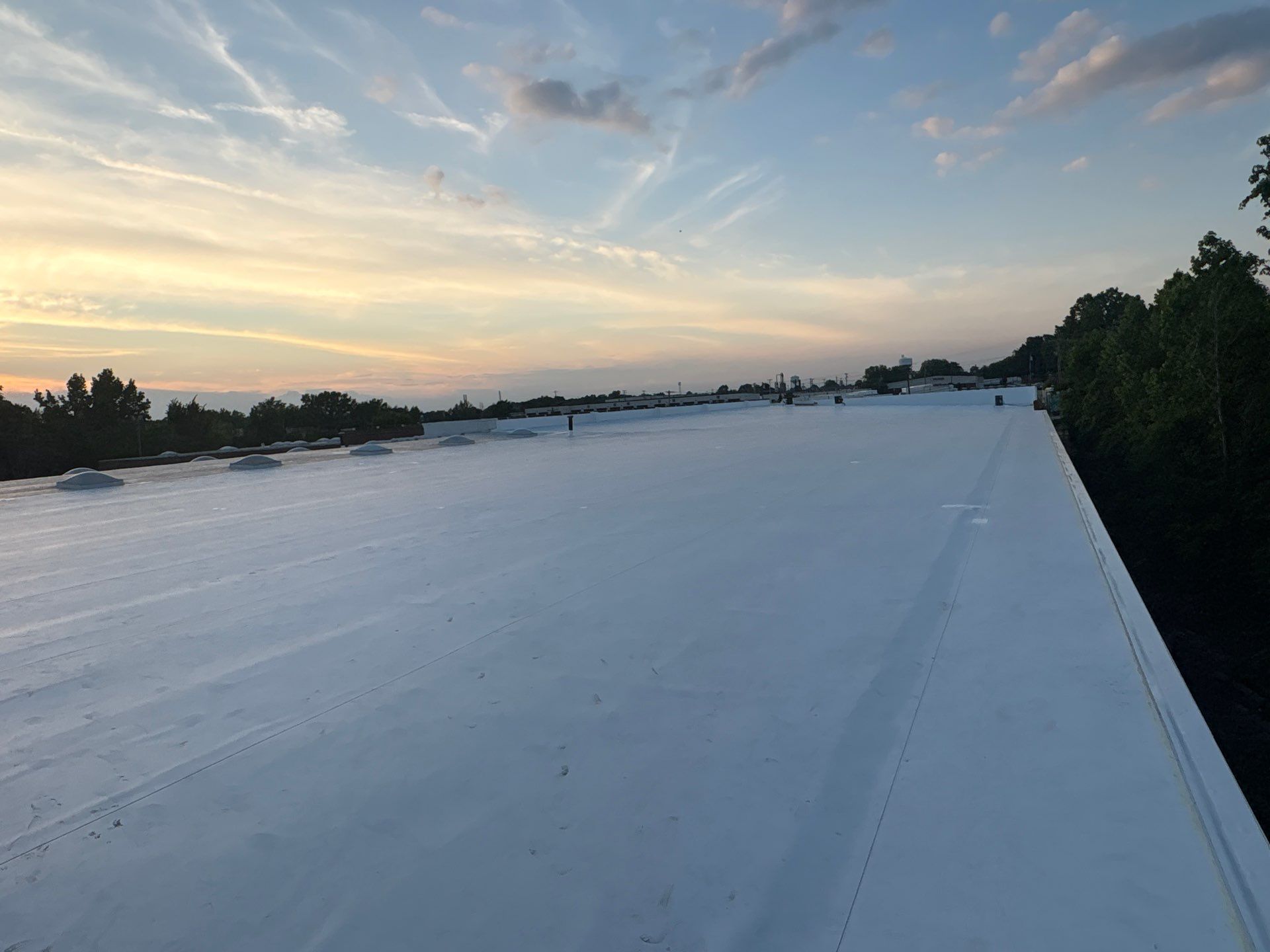
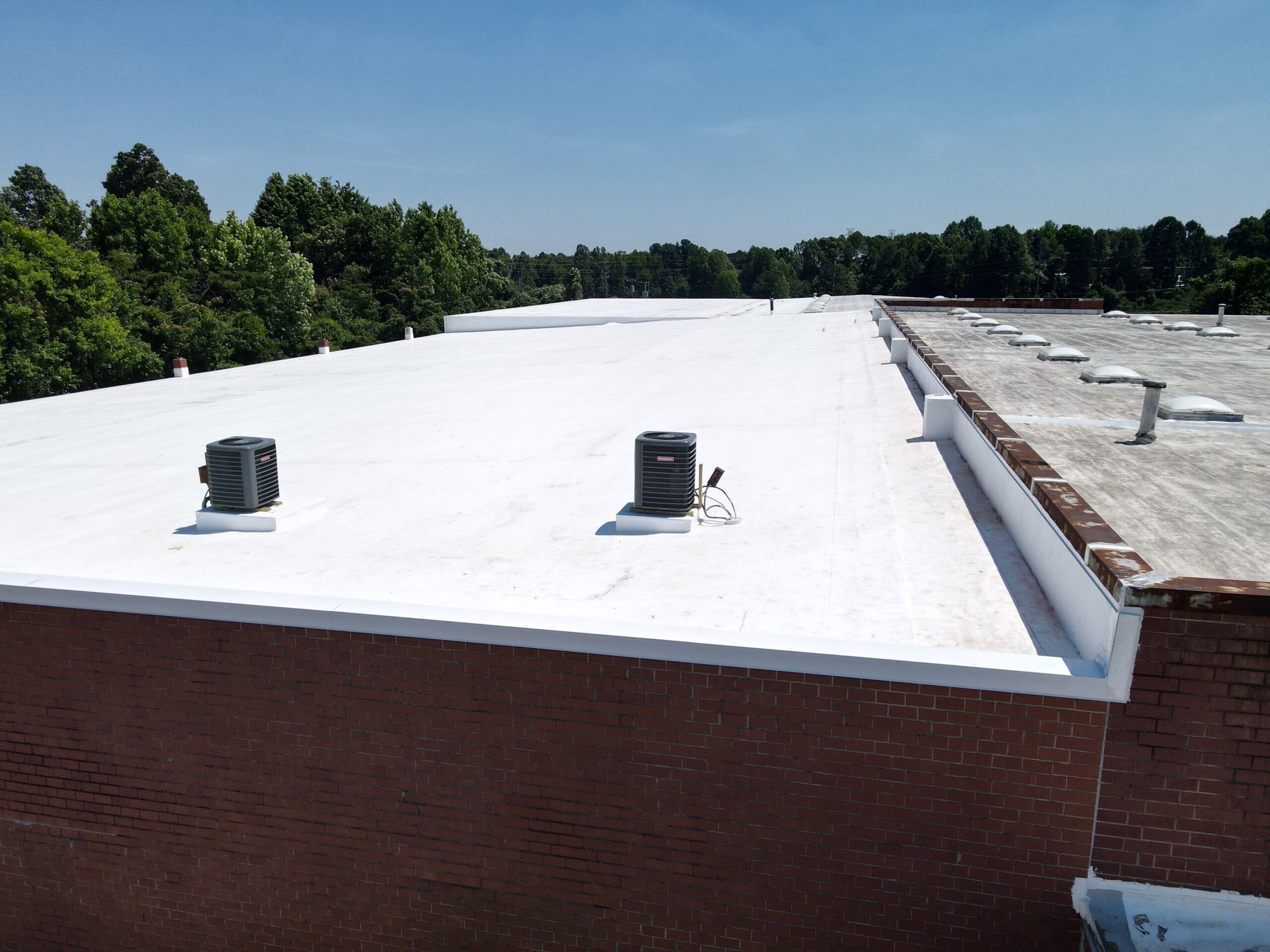
Greensboro sits at the crossroads of I-85 and I-40, which means warehouses, distribution centers, and commercial buildings everywhere you look. Most of these flat-roof buildings run on tight margins, and when the roof starts failing, you need a solution that lasts twenty years or more without constant babysitting. That’s where TPO roofing in Greensboro NC makes sense for smart building owners who want a proven system instead of endless patch jobs. We just wrapped an eight-day TPO installation in nearby High Point that shows exactly what this process looks like from tear-off to final details.
\n\n
What We Found on This High Point Building
\n\n
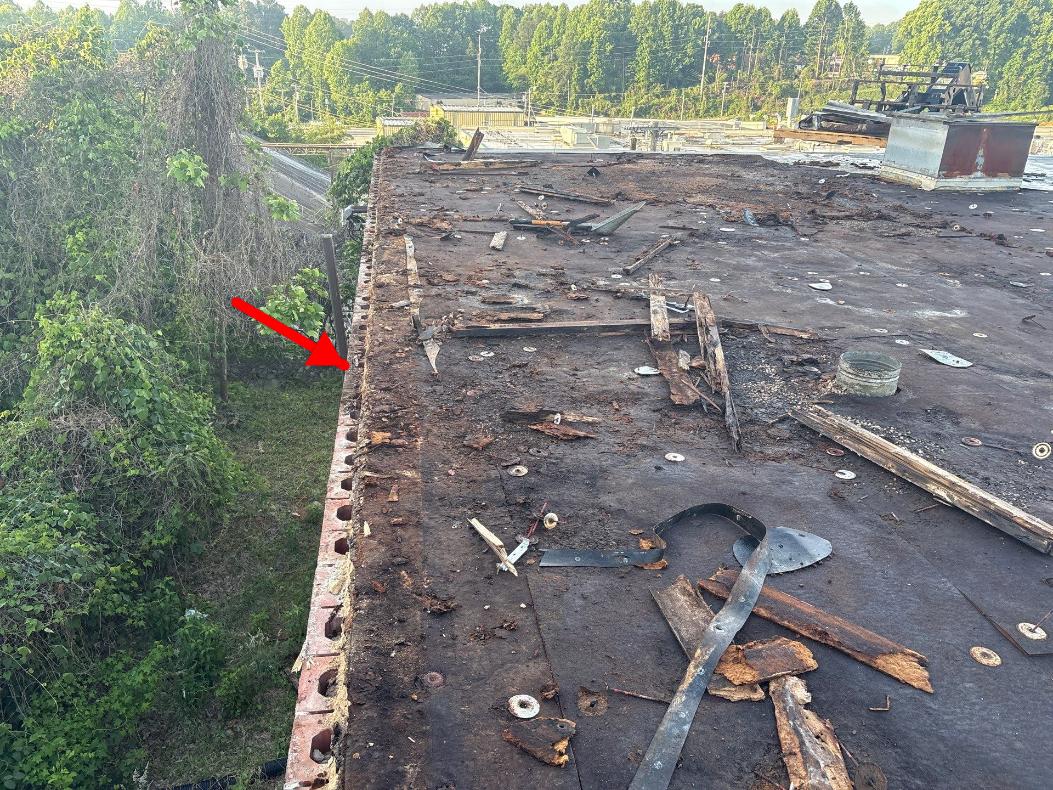
The owner called us because the existing roof had problems they couldn’t ignore anymore. We found deteriorated fiberboard underneath the membrane, rotten wood at the drip edge where water had been sitting for years, and several old penetrations that no longer served any purpose.
\n\n
Here’s what we dealt with:
\n\n
- \n
- Old ventilation fans that nobody used anymore
- Chimney pipes from equipment that had been removed years ago
- One dead AC unit that was just dead weight on a failing roof
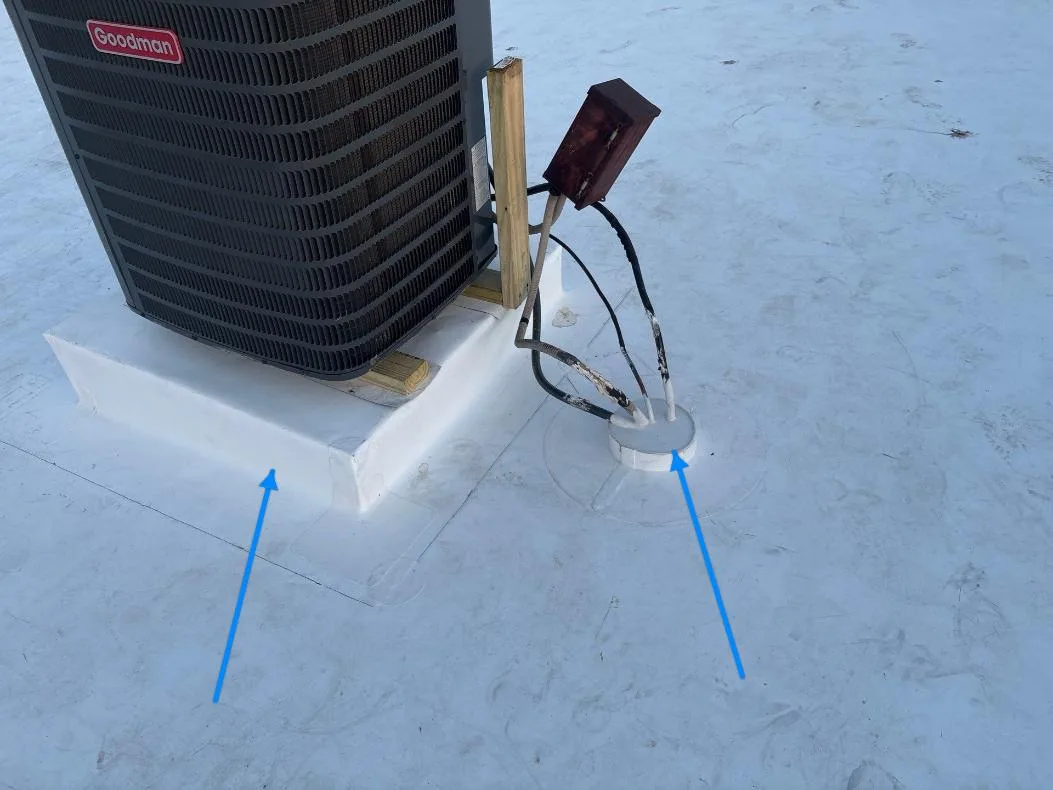
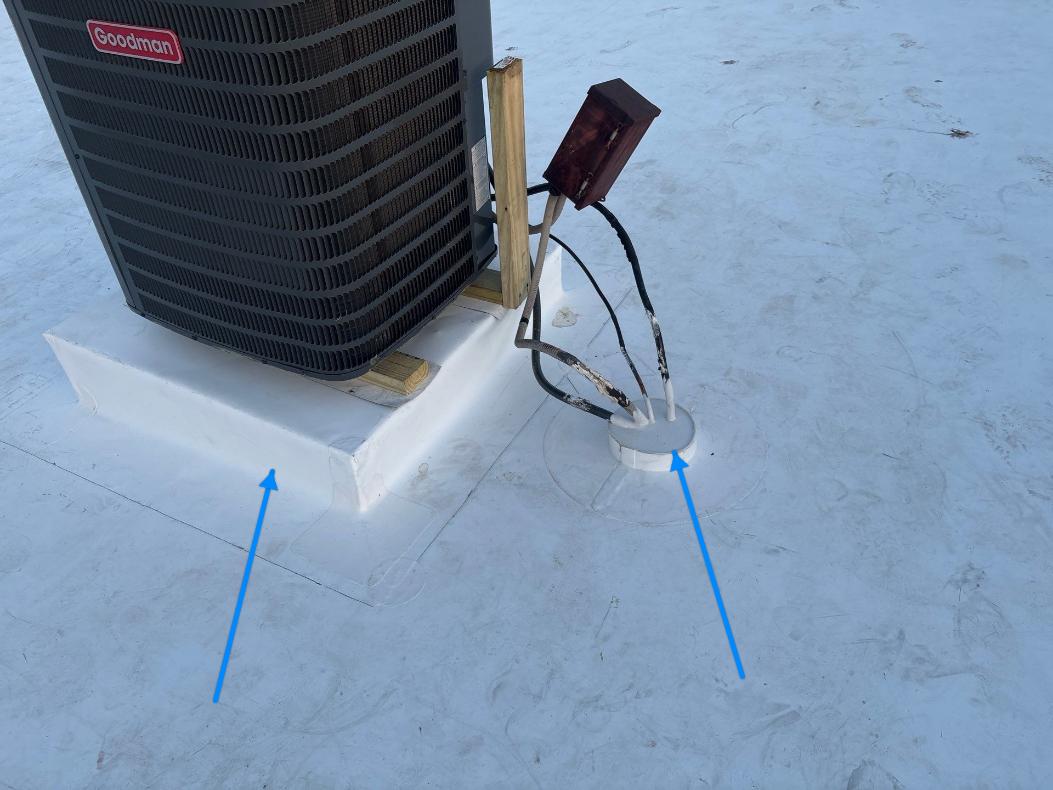
- Small AC units that had vibrated down into the insulation because they sat directly on the membrane with no proper curbs
- Fiberboard that had turned to mush in multiple areas
- Wood rot along the perimeter where the drip edge fasteners had let water penetrate
\n
\n
\n
\n
\n
\n
\n\n
The owner made a smart call early on. Instead of spending money to remove and dispose of the entire existing roof system, we evaluated what could stay and what absolutely had to go. Not every roof qualifies for this approach, but when the structure’s solid and you’re mainly dealing with localized failures, it saves time and money you can put toward better materials.
\n\n
TPO Roofing Greensboro NC Business Owners Need to Understand
\n\n
TPO stands for Thermoplastic Polyolefin. It’s a single-ply roofing membrane that we heat-weld at the seams, creating a continuous waterproof barrier across your entire roof. The welds are actually stronger than the membrane itself when done correctly.
\n\n
Why TPO works so well for Greensboro’s commercial buildings:
\n\n
Heat reflectivity. TPO comes in white or light gray, and it reflects sunlight instead of absorbing it. Your HVAC units don’t work as hard in July and August. The Department of Energy has documented energy savings from reflective roofing in commercial applications, and it’s real money over twenty years.
\n\n
Puncture resistance. TPO handles foot traffic better than a lot of single-ply options. When your HVAC guy needs to service a unit twice a year, or when you’re up there clearing drains after a storm, the membrane doesn’t tear from normal activity.
\n\n
Chemical resistance. If you’ve got restaurant exhaust, industrial vents, or any kind of chemical exposure, TPO holds up where other membranes break down.
\n\n
Proven track record. TPO’s been around since the 1990s. The chemistry’s stable now. Early formulations had problems, but modern TPO from manufacturers like GAF or Firestone lasts twenty to thirty years with proper installation and basic maintenance.
\n\n
Our TPO Roofing services focus on getting every detail right so you actually get those twenty-plus years instead of starting over in ten.
\n\n
The Eight-Day TPO Roofing Process We Followed in High Point
\n\n
Day one started with material staging. We had the TPO membrane, ISO board, fasteners, and all the detail materials delivered to the site. Before we tore off a single section, we counted through everything to make sure we could cover back whatever we exposed that same day. Water infiltration during construction ruins buildings fast, and it’s completely preventable.
\n\n
Tear-off and prep work. We removed all those old penetrations the owner didn’t need anymore. Cutting them out left holes we had to address, so we reinforced those openings with plywood and then covered them with new TPO. The units that were sinking into the insulation got new curbs that lift them up off the membrane. When an AC unit sits directly on TPO, the vibration slowly works it down into the insulation layer. New curbs solve that permanently.
\n\n
Replacing failed substrate. This is where a lot of contractors cut corners, and it comes back to bite the building owner five years later. All that mushy fiberboard came out. Every square foot of it. We replaced it with ISO board, which is rigid polyisocyanurate insulation. ISO doesn’t turn to mush when water gets to it, and it adds R-value your energy bills will appreciate.
\n\n
The rotten edge wood at the drip edge perimeter got replaced too. You can’t fasten a fully-adhered TPO perimeter to rotten wood. The fasteners just pull through, and you’ve got a failure point from day one.
\n\n
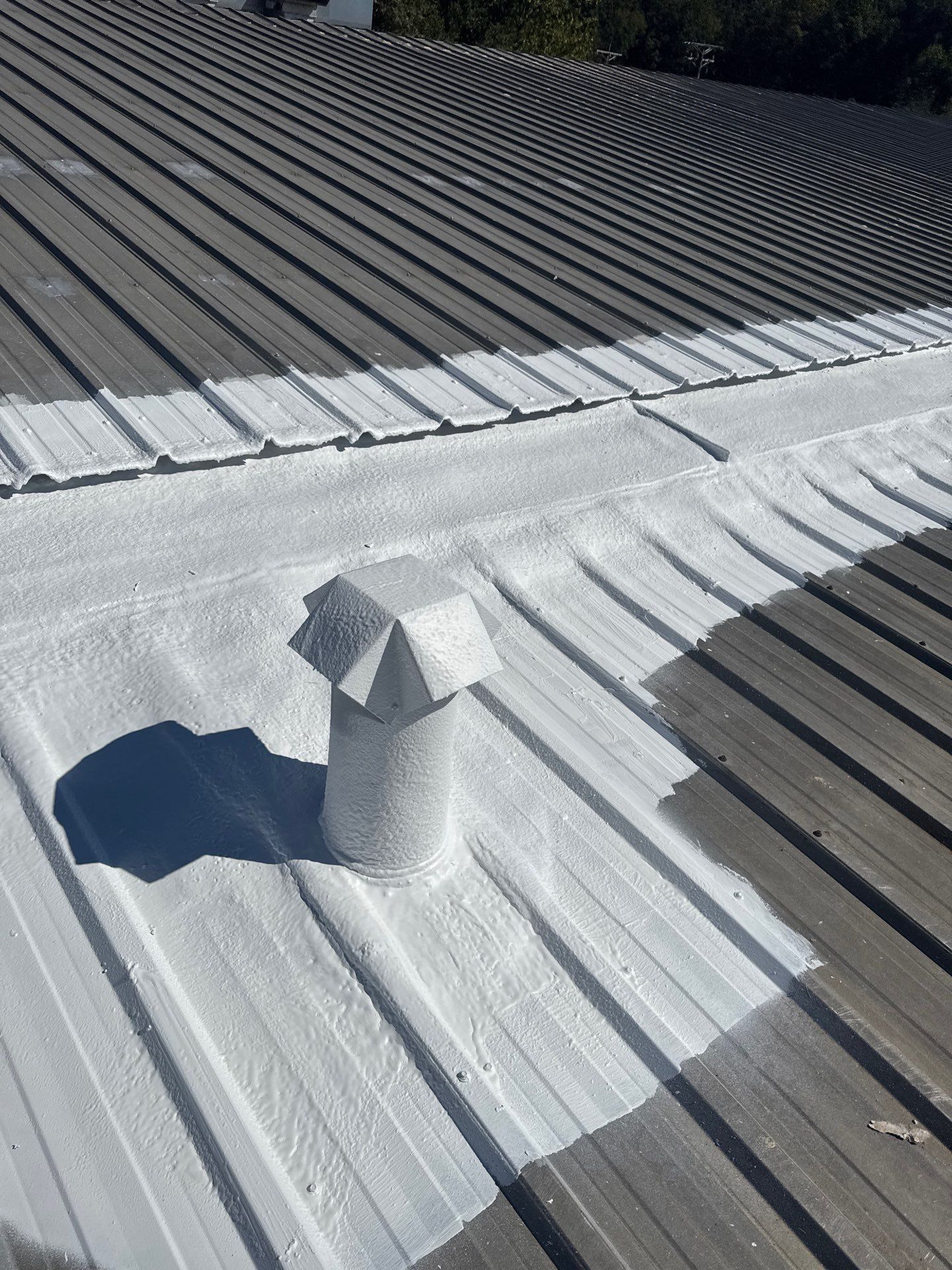
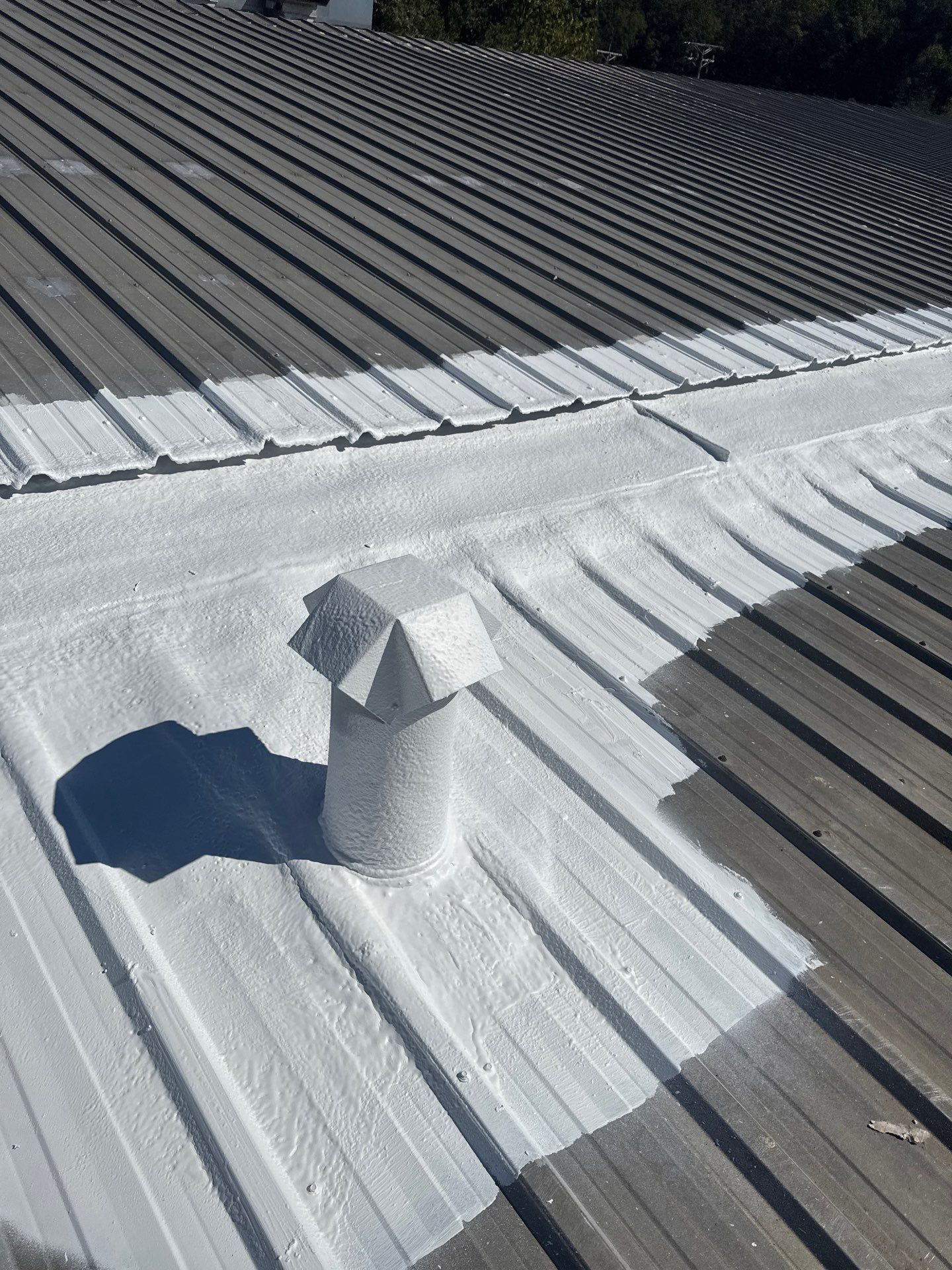
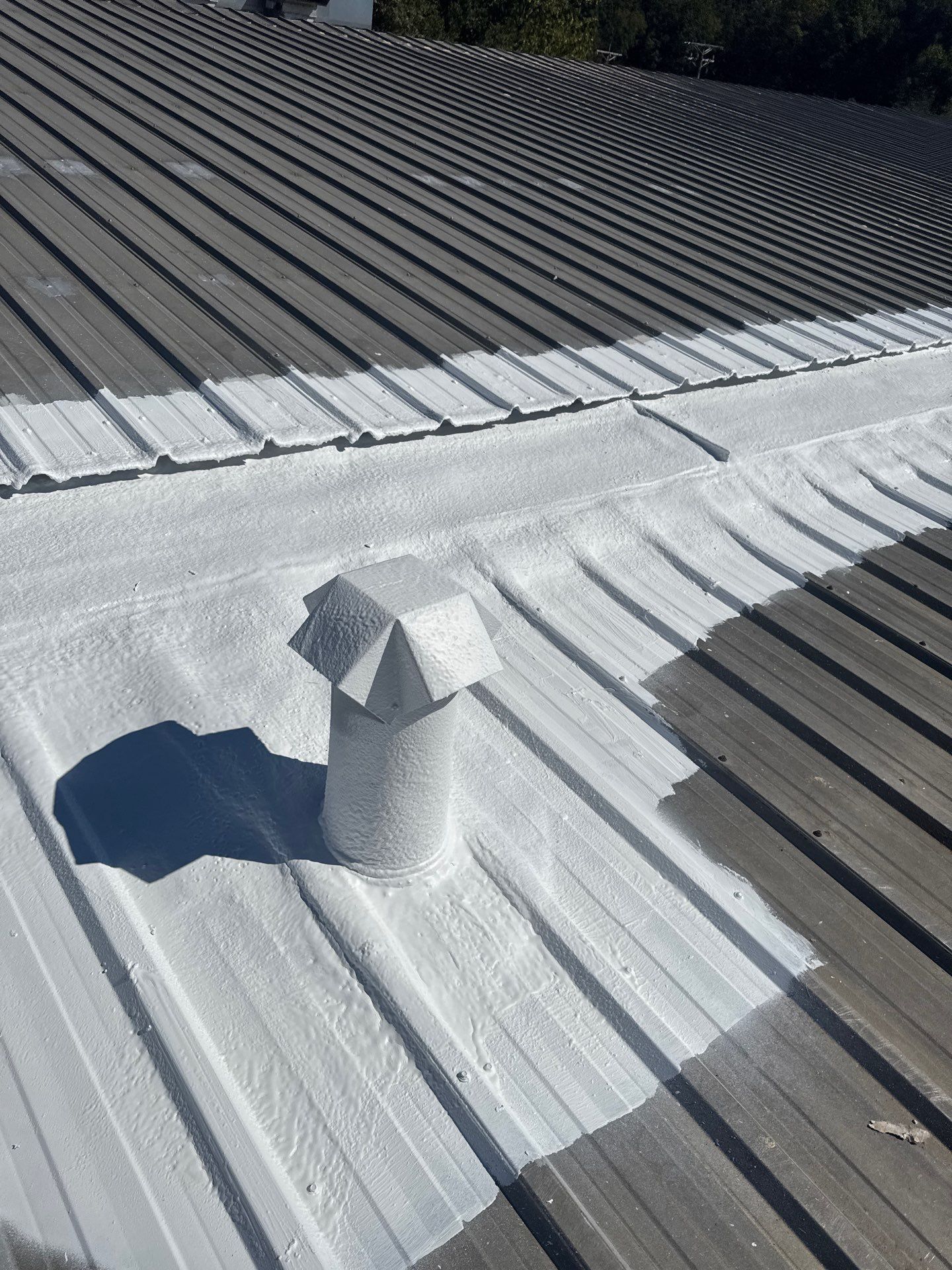
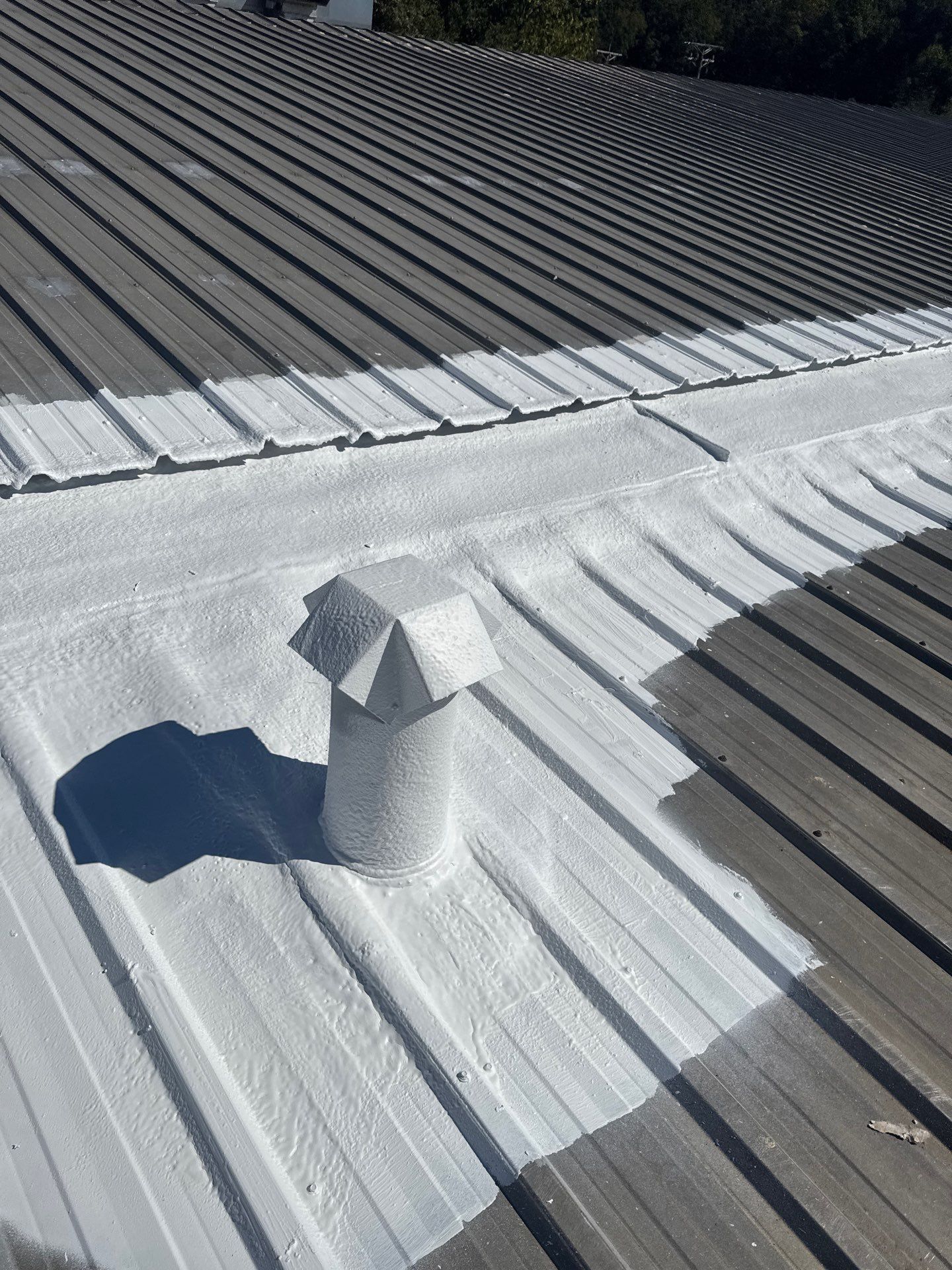
TPO installation. We roll out the membrane and let it relax in the sun for a few minutes. TPO contracts in cold weather and expands in heat, so you need to let it adjust before you start fastening. Then we stretch it tight to remove wrinkles and fasten it down according to manufacturer specs for wind uplift in this region.
\n\n
The seams get welded with hot air. We overlap the sheets, run a heat welder down the seam at the right temperature and speed, and apply pressure with a roller. Done right, the seam is now one continuous piece of TPO. Done wrong, you’ve got water infiltration within a year.
\n\n
Detail work. While the main crew’s fastening membrane, we’ve got technicians working on penetrations, corners, and edges. Every pipe boot, every equipment curb, every transition gets detailed according to the manufacturer’s instructions. This is where experience matters. A crew that’s installed hundreds of TPO roofs knows how to flash a complicated penetration so it doesn’t leak. A crew learning on your building does not.
\n\n
Five technicians worked this project for eight days straight. That’s the timeline with a dedicated crew that knows what they’re doing and has all materials on-site from the start.
\n\n
You can read the full case study with photos showing every phase from material staging to final installation.
\n\n
Signs Your Greensboro Building Needs TPO Roofing
\n\n
How do you know it’s time to call a commercial roofer? Here’s what to watch for:
\n\n
- \n
- Standing water that doesn’t drain within 48 hours after rain. Ponding water breaks down any roofing membrane eventually. If you’ve got low spots collecting water, you’ve either got substrate issues or drainage problems.
- Soft spots when you walk the roof. Your foot shouldn’t sink into the roof surface. Soft spots mean the insulation or substrate underneath is wet and deteriorating.
- Visible seam separation. If you can see gaps between the seams of your existing membrane, water’s getting in.
- Multiple patch jobs that keep failing. When you’re patching the same areas over and over, you’re fighting a losing battle. The substrate underneath is probably compromised.
- Rotten wood at the perimeter. Check your drip edges and anywhere wood nailers are exposed. If you can push a screwdriver into the wood easily, it’s rotten.
- HVAC units sinking into the roof. This means your existing membrane and insulation can’t handle the load, which creates low spots that collect water.
- Your roof is over twenty years old. Even good roofs have a lifespan. If yours is pushing two decades and you’re starting to see problems, replacement makes more sense than throwing money at repairs.
- Interior water stains or drips. By the time you can see daylight from inside through your roof deck, the roof has been leaking for years. That’s not a diagnostic tip to watch for—that’s evidence of serious neglect that’s already damaged your building.
\n
\n
\n
\n
\n
\n
\n
\n
\n\n
Get your roof inspected annually at minimum. That’s not a sales pitch. That’s basic maintenance that catches small problems before they become expensive emergencies. If your building has heavy tree coverage or collects debris, inspect it twice a year.
\n\n
Why Sunny Sky Roofing LLC for TPO Roofing in Greensboro NC
\n\n
I’m Joe Yutzy, and I started Sunny Sky Roofing because I got tired of seeing building owners get burned by contractors who either didn’t know what they were doing or didn’t care. We focus exclusively on commercial roofing because that’s where our experience and equipment deliver the most value.
\n\n
What you get when you work with us:
\n\n
We don’t leave your building exposed overnight. Whatever we tear off during the day gets covered back the same day. Your insurance might not cover water damage during construction if we’re negligent, and we’re not gambling with your building.
\n\n
We replace bad substrate instead of roofing over problems. That High Point job would’ve been faster and cheaper if we’d just covered over the rotten fiberboard. It also would’ve failed in five years. We do the work right the first time because callbacks cost us money and reputation.
\n\n
Our crews know TPO installation inside and out. Heat welding seams looks simple until you try it. Temperature matters. Speed matters. Pressure matters. Our technicians have installed enough TPO to know exactly how each variable affects the final result.
\n\n
We follow manufacturer specifications exactly. That’s how you get warranty coverage that’s actually worth something. Cut corners on fastener spacing or edge details, and your warranty’s void before the first rainstorm.
\n\n
We serve Greensboro and the surrounding Triad. We know the building codes, the weather patterns, the local inspectors, and the suppliers. We’re not driving in from three hours away and learning your market on your dime.
\n\n
See more about our commercial roofing in Greensboro and the other areas we serve throughout the Piedmont Triad.
\n\n
Common Questions About TPO Roofing
\n\n
How long does a TPO roof last in North Carolina?
\n\n
Twenty to thirty years with proper installation and annual maintenance. The key phrase there is “proper installation.” A TPO roof installed by a crew that doesn’t know what they’re doing might last ten years. The membrane itself is durable, but the details—seams, penetrations, edges—determine whether you get two decades or two rounds of repairs.
\n\n
Can you install TPO over an existing roof?
\n\n
Sometimes. It depends on the condition of what’s underneath. If the substrate’s solid, the existing roof is relatively flat, and local codes allow it, installing TPO over an existing roof saves disposal costs and time. If the insulation’s wet, the wood’s rotten, or you’ve got significant ponding issues, you need to tear off and start fresh. We evaluate every roof individually because there’s no one-size-fits-all answer.
\n\n
What’s the difference between TPO and EPDM rubber roofing?
\n\n
EPDM is black rubber that absorbs heat. TPO is white or light gray and reflects heat. EPDM seams get glued or taped. TPO seams get heat-welded, which creates a stronger bond. Both work, but TPO’s energy efficiency and welded seams make it the better choice for most commercial buildings in hot climates. EPDM costs less upfront, but you’ll pay more in cooling costs over twenty years.
\n\n
How much does TPO roofing cost?
\n\n
Every building is different. Square footage, existing roof condition, number of penetrations, edge details, insulation requirements, and access all affect the final number. Replacing rotten substrate adds cost but saves you from future failures. Removing old equipment and installing new curbs costs more than leaving problems in place, but it’s a smarter long-term investment. We’ll give you a detailed quote after we inspect your specific building. The goal is a roof that lasts twenty-plus years, not the cheapest possible price today.
\n\n
Schedule Your Greensboro Commercial Roof Inspection
\n\n
If your building’s showing any of the warning signs we covered, or if your roof’s approaching twenty years old and you haven’t had it inspected lately, give us a call. We’ll evaluate what you’ve got, explain your options, and give you a straightforward quote with no pressure and no games.
\n\n
Sunny Sky Roofing LLC serves commercial property owners throughout Greensboro, High Point, Winston-Salem, and the entire Triad region. We’re not the biggest commercial roofing company in North Carolina, but we’re the one that’ll answer the phone when you call and show up when we say we will.
\n\n
Call 336-523-2103 to schedule your inspection, or contact us through our website. Let’s make sure your roof protects your building for the next twenty years instead of becoming an emergency six months from now.