



Agricultural Facilities Roofing
Reliable commercial roofing solutions for barns, agricultural buildings, storage facilities, processing facilities and other agricultural properties across North Carolina.
Trusted by commercial property owners to deliver honest repair recommendations that help extend roof life and reduce unnecessary replacement costs.
Commercial Roofing Solutions for Agricultural Facilities
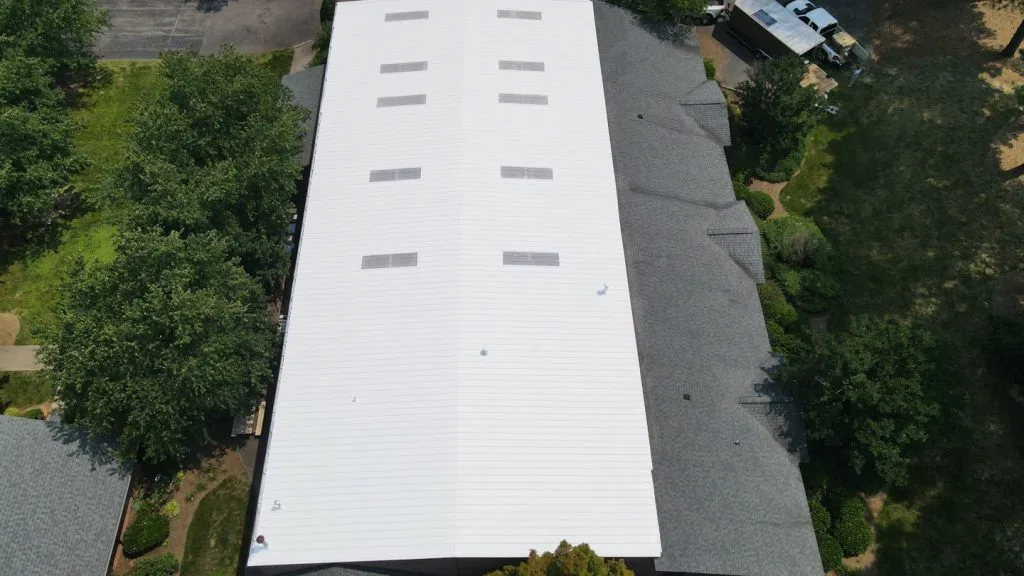
Agricultural facilities often have unique roofing requirements due to the size of the buildings, the type of operations taking place inside and their exposure to changing weather conditions. From barns and equipment storage buildings to processing facilities and agricultural warehouses, a dependable roofing system plays an important role in protecting the property.
Sunny Sky Roofing works with agricultural property owners and facility managers to assess roofing conditions and recommend practical solutions based on the needs of each building. Whether a roof requires repairs, restoration, replacement or ongoing maintenance, our team focuses on solutions that support long term performance and protection.
Roofing work for agricultural facilities also requires careful planning around daily operations, equipment access and the specific use of the building. Our approach considers these requirements when planning and completing roofing projects.
Common Roofing Challenges for Agricultural Facilities
Roof Leaks
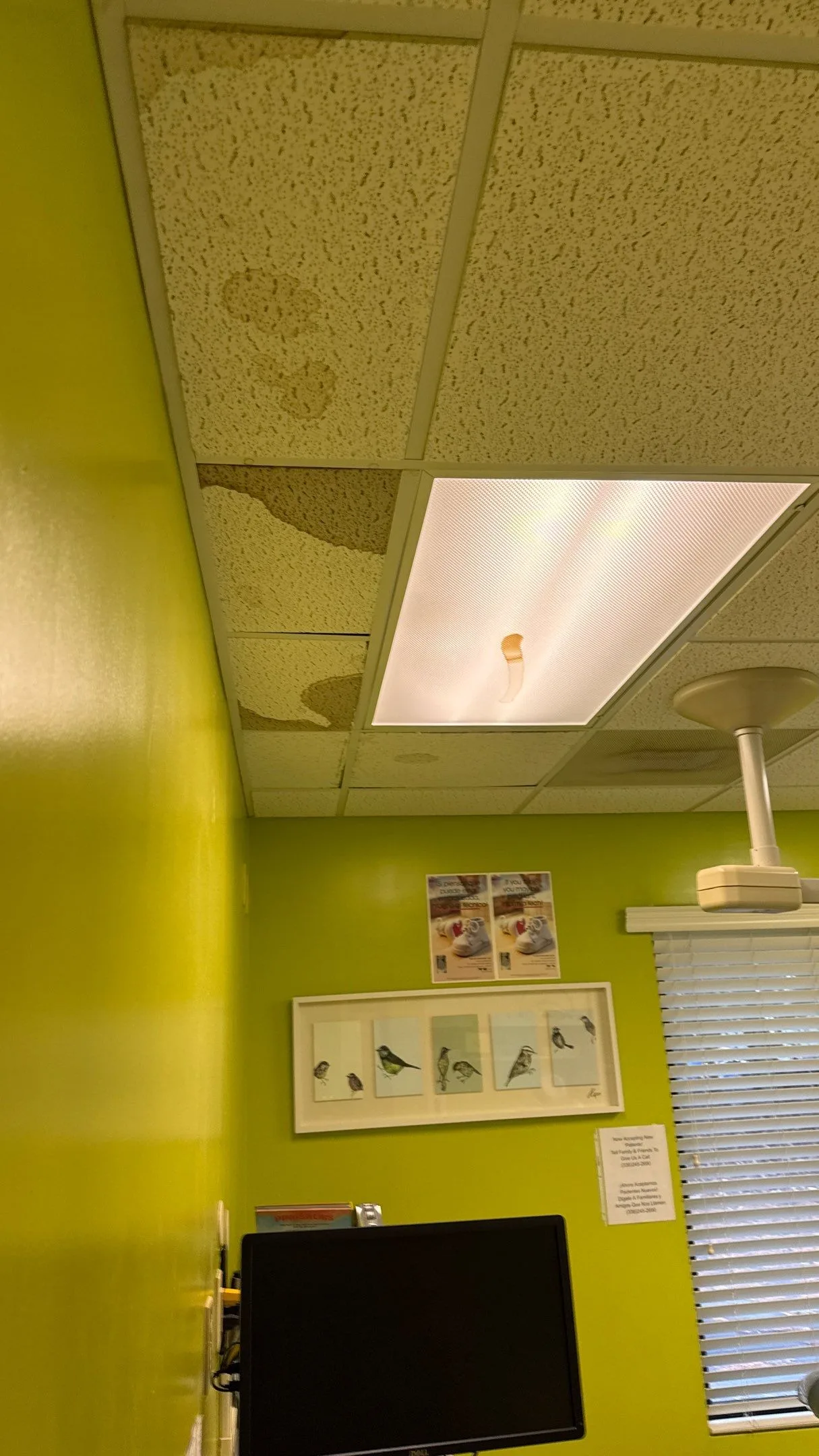
Roof leaks can affect equipment, stored materials, livestock areas and other important parts of an agricultural facility. Addressing leaks early can help prevent water damage from spreading throughout the building.
Ponding Water
Flat and low slope agricultural roofs can experience standing water when drainage is restricted or low areas develop over time. Ponding water can place additional stress on roofing materials and increase the risk of deterioration.
Membrane Damage
Roofing membranes can become damaged by weather exposure, debris, maintenance activity and general wear. Damaged areas should be addressed before they create opportunities for water to enter the roofing system.
Aging Roofing Systems
As agricultural roofing systems age, materials can deteriorate and become more vulnerable to leaks and weather related damage. Regular inspections can help identify when repairs, restoration or replacement may be required.
Equipment and Roof Penetrations
Ventilation systems, exhaust equipment, skylights and other roof penetrations can create areas that require regular inspection. These locations may become vulnerable to leaks when flashing or surrounding materials deteriorate.
Weather Damage
Heavy rain, strong winds, hail and changing temperatures can place significant stress on agricultural roofing systems. Severe weather can damage membranes, metal panels, flashing and other critical roofing components.
Commercial Roofing Services for Agricultural Facilities
Roofing Systems for Agricultural Facilities
Choosing the right roofing system for an agricultural facility depends on the building design, existing roof condition, drainage requirements, operational needs and long term maintenance goals.
The right roofing system for an agricultural facility depends on the building design, existing roof condition, weather exposure, drainage requirements and long term maintenance needs.
TPO Roofing
A durable single ply roofing option commonly used on large flat and low slope agricultural buildings.
Metal Roofing
A long lasting roofing option that can provide strong protection for barns, storage buildings and other agricultural facilities.
Spray Foam Roofing
A seamless roofing solution that may help address certain roofing conditions while providing additional insulation benefits.
Roof Restoration
A restoration solution that may help extend the useful life of an existing agricultural roof when the underlying system remains suitable.
The right roofing system for an agricultural facility depends on the building design, existing roof condition, weather exposure, drainage requirements and long term maintenance needs.
Does Your Agricultural Facility Need Roof Repair, Restoration, or Replacement?
The right roofing solution depends on the condition of the existing system, the extent of any damage and the long term requirements of the property. A professional assessment can help determine the most appropriate next step.
Situation
Isolated leak
Localized membrane damage
Aging but structurally sound roof
Widespread deterioration
Repeated leaks
Major storm damage
Potential Solution
Roof repair
Repair
Restoration
Replacement
Inspection + evaluation
Inspection + repair/replacement assessment
Minimize Disruption to Agricultural Operations
Agricultural facilities can have demanding daily operations that require careful planning during roofing projects. Sunny Sky Roofing works with property owners and facility managers to coordinate roofing work around the needs of the property whenever possible.
Project Planning
Roofing projects are planned around the specific requirements and use of the agricultural facility.
Phased Roofing Projects
Larger roofing projects can be completed in planned sections to help manage the scope of work and maintain access to important areas.
Operational Coordination
Roofing work can be coordinated around equipment, storage areas and other important facility operations.
Equipment Protection
Planning considers the location of equipment and other important property assets that may need protection during roofing work.
Site Access Planning
Access routes, staging areas and material delivery requirements are reviewed before the project begins.
Efficient Project Scheduling
Project schedules are developed around the scope of work and the operational requirements of the agricultural property.
Agricultural Facility Roof Maintenance
Regular roof maintenance can help identify developing concerns before they become larger problems affecting the building, equipment or daily operations. A proactive maintenance approach can also help agricultural property owners better understand the condition of their roofing system and plan for future repairs, restoration or replacement.
Scheduled Inspections
Routine inspections help identify visible signs of wear, weather damage and developing roofing concerns before they become more serious. Regular inspections can focus on roofing materials, seams, flashing, penetrations and drainage areas.
Drainage and Water Flow
Proper drainage is important for protecting agricultural roofing systems from standing water and unnecessary moisture exposure. Drains, gutters, scuppers and other drainage components should be checked regularly.
Roof Cleaning
Agricultural roofs can collect leaves, branches, dirt and other debris that may restrict drainage or place unnecessary stress on certain areas of the roofing system. Regular cleaning helps keep drainage pathways clear.
Flashing Inspections
Flashing and roof transitions should be inspected for signs of damage or separation. These areas can become vulnerable to water intrusion as roofing materials age and weather exposure affects the system.
Membrane Repairs
Small areas of roofing damage should be addressed before they develop into larger problems. Prompt repairs can help maintain the integrity of the roofing system and reduce the risk of water intrusion.
Equipment Area Checks
Areas around ventilation equipment, exhaust systems, skylights and other roof penetrations often require additional attention during maintenance inspections.
Preventative Maintenance
Ongoing preventative maintenance helps agricultural property owners take a proactive approach to managing their roofing system. Monitoring the condition of the roof can help property owners address developing concerns at the appropriate time.
Agricultural Facility Roofing Projects
Commercial Roof Repair Lexington NC | Prevent
Commercial roof repair in Lexington NC for flat and metal roofing systems. Learn how...
Read MoreSpray Foam Roof Repair in High Point,
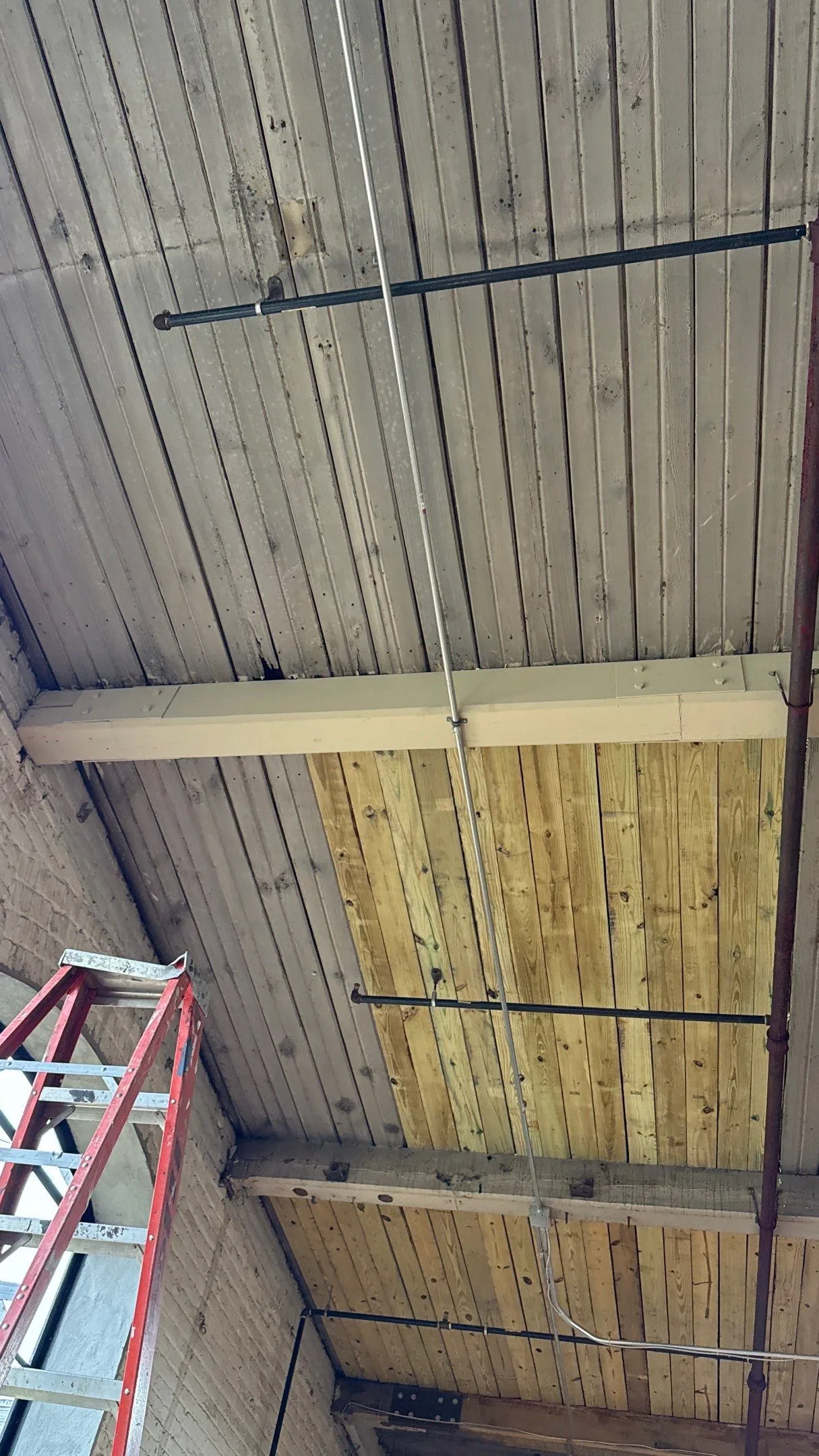
A High Point commercial building on Mill Ave required extensive spray foam roof repair...
Read MoreEPDM Membrane Restoration on West A St
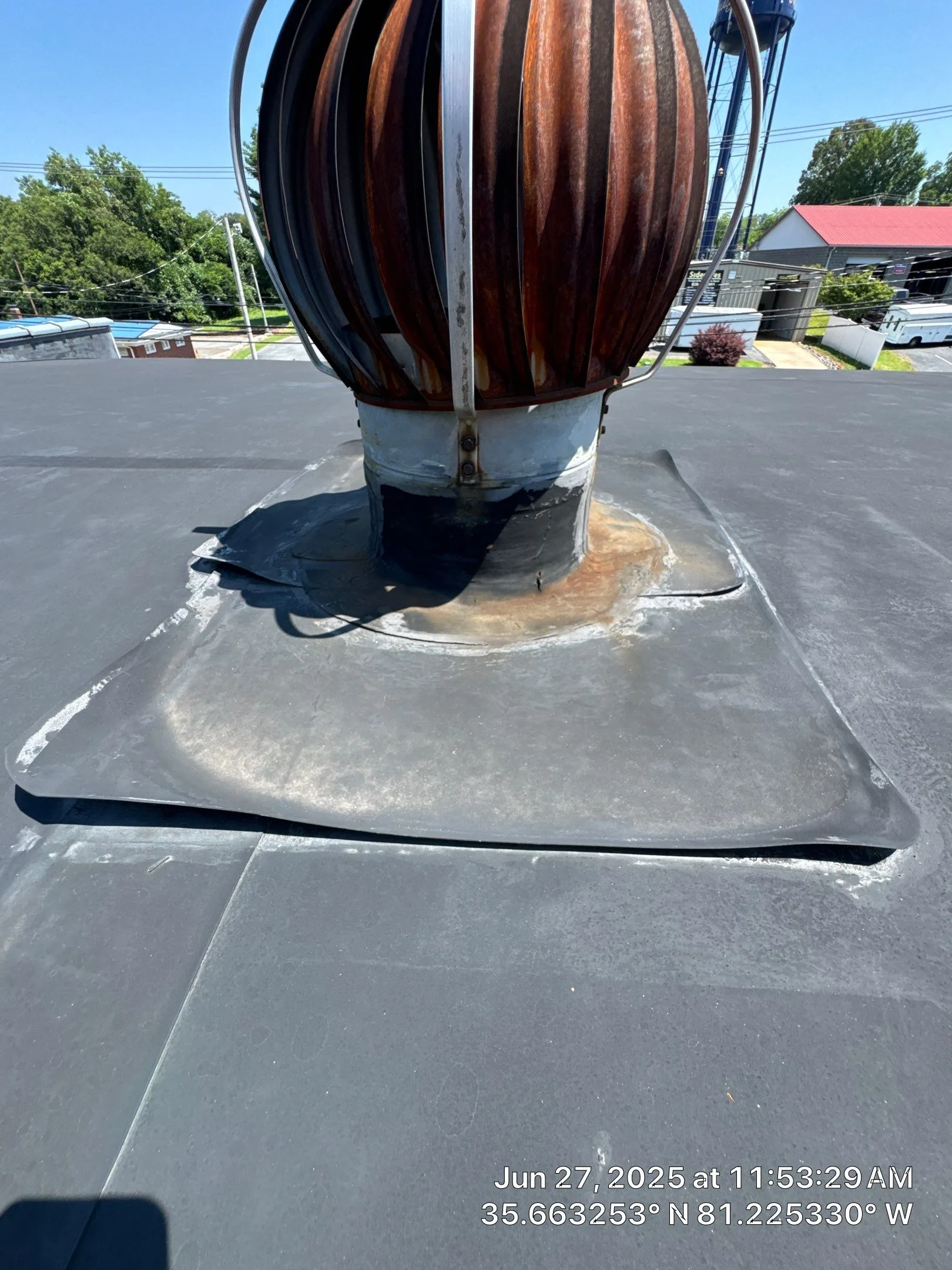
Sunny Sky Roofing restored an aging EPDM roof in Newton, NC with fabric-reinforced seam...
Read MoreMetal Roof Restoration in Kernersville NC: Furlong
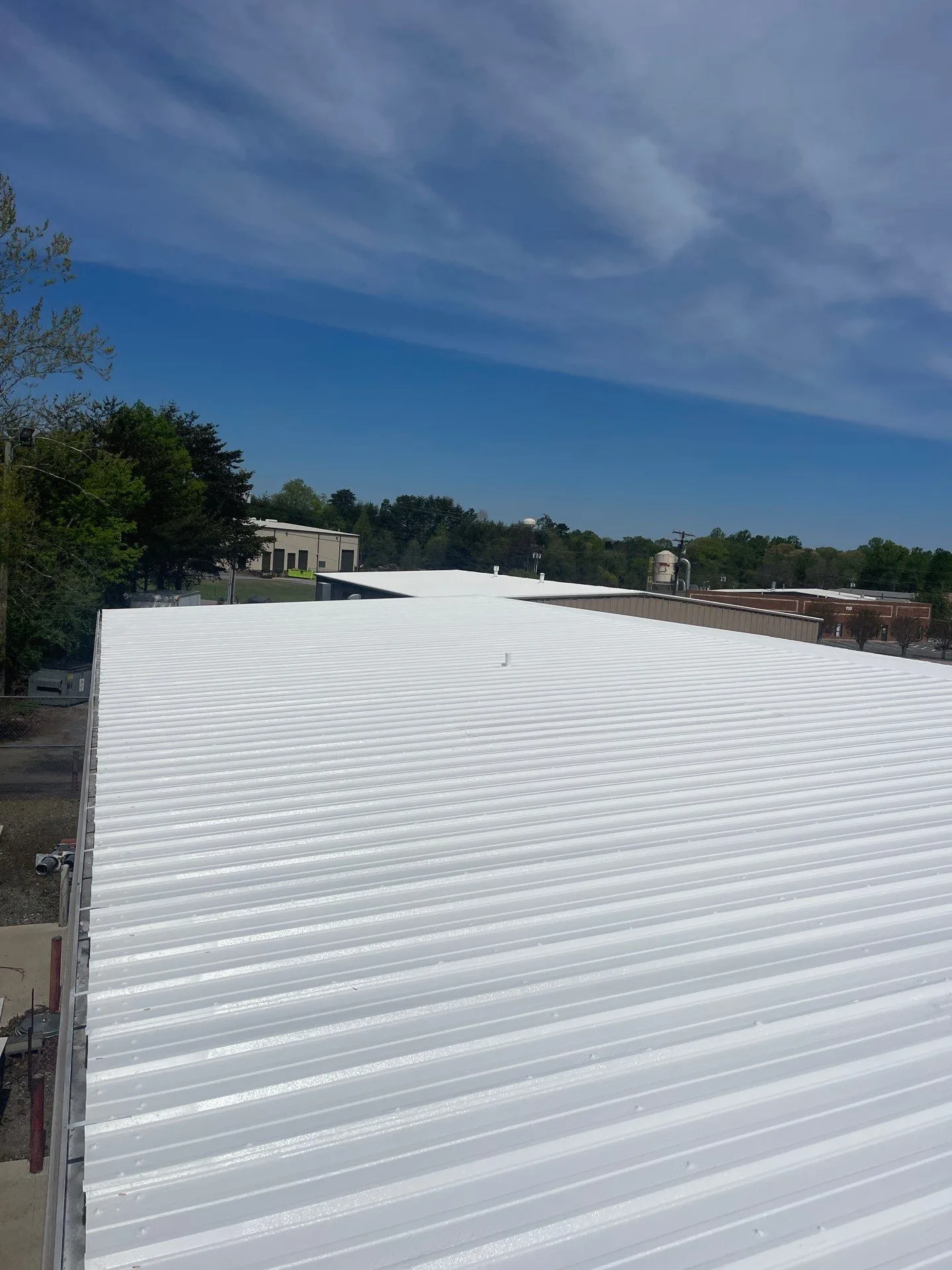
Sunny Sky Roofing completed a comprehensive metal roof restoration on Furlong Industrial Drive in...
Read MoreCustom Roof Curb Installation in High Point
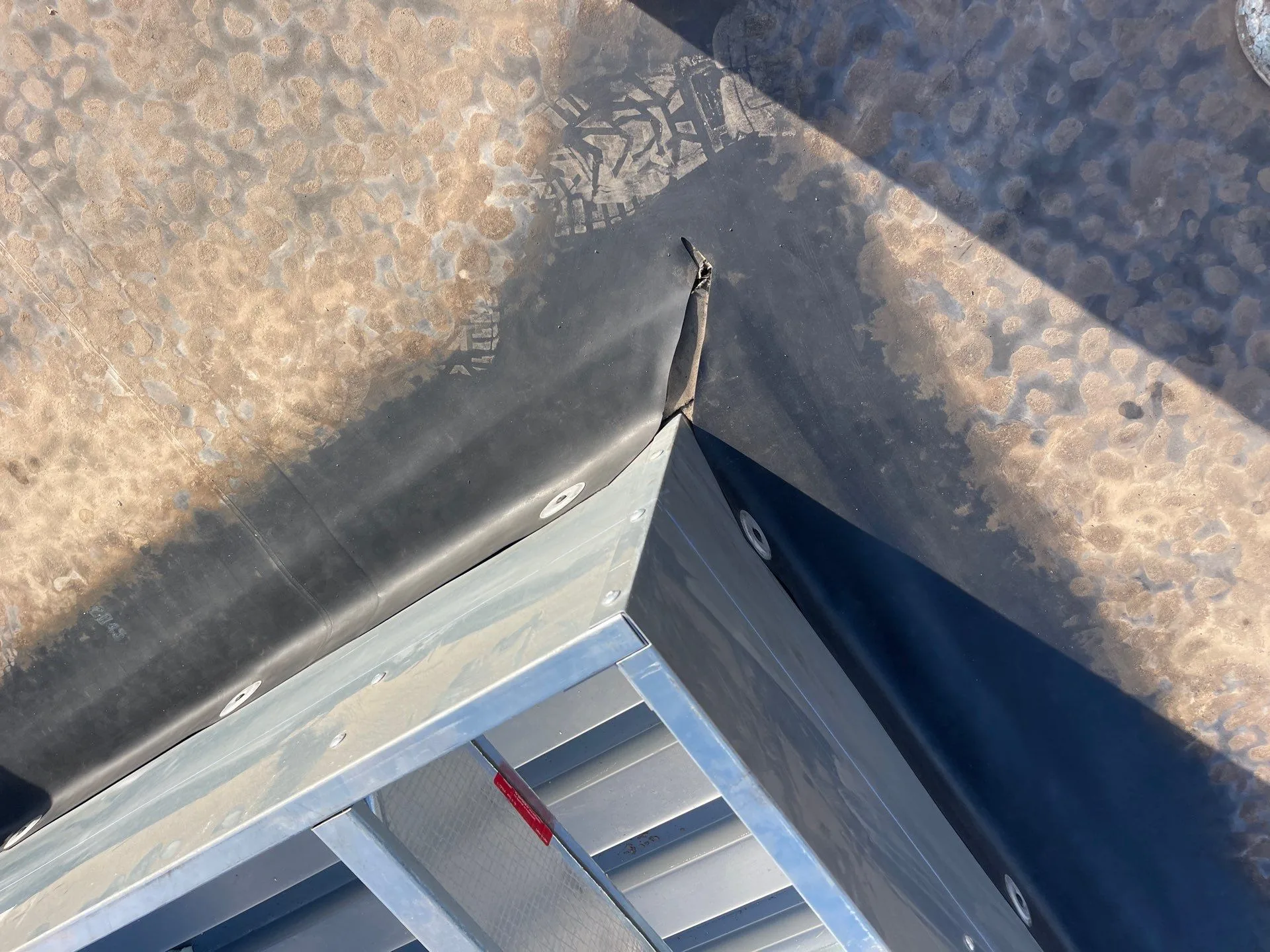
A commercial building owner in High Point, NC needed multiple roof curbs installed for...
Read MoreTPO Roofing Greensboro NC — Sunny Sky
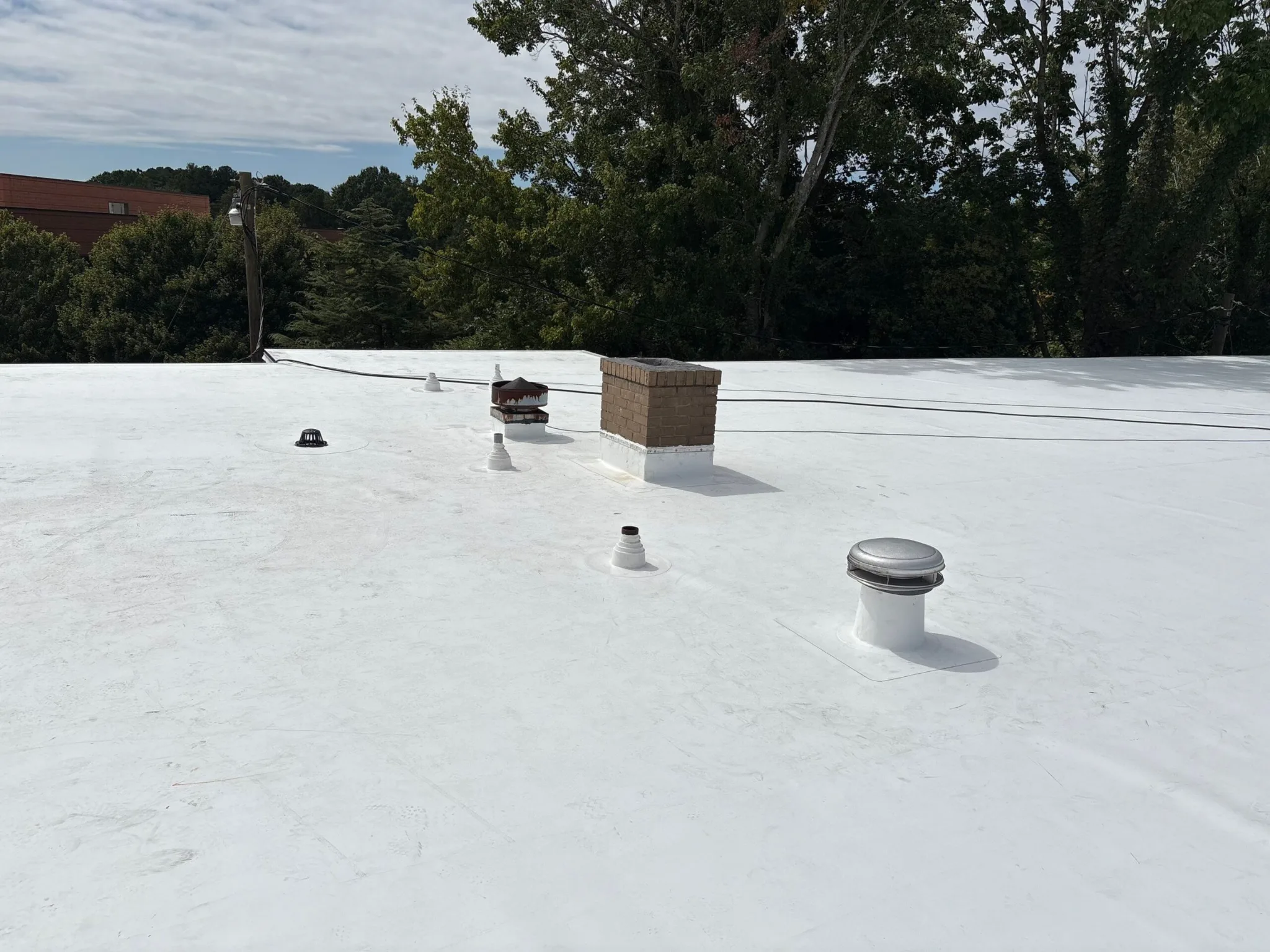
Sunny Sky Roofing replaced a leaking EPDM roof with a new 60-mil TPO system...
Read MoreCommercial Roof Repair Across North Carolina
Sunny Sky Roofing provides commercial roof repair services throughout the communities we serve. Explore our local commercial roof repair services below.
Not Sure If Your Roof Needs Repair or Replacement?
Every commercial roof is different. That’s why every project begins with a free roof assessment. We’ll evaluate your roof and recommend whether repair, restoration, or replacement is the best long-term solution for your building.
No pressure. No unnecessary replacements. Just honest recommendations.
- Free Commercial Roof Assessment
- No-Obligation Recommendations
- Fast Quote Turnaround
Your Free Roof Assessment Includes
- Comprehensive Roof Condition Assessment
- Leak & Moisture Inspection
- Existing Roofing System Evaluation
- Repair & Replacement Recommendations
- Written Estimate with No Obligation
Sunny Sky Roofing provides commercial roofing services for a range of agricultural properties, including barns, storage buildings, equipment facilities, processing buildings, agricultural warehouses and other large facilities.
The most suitable roofing system depends on the building design, roof condition, drainage requirements, weather exposure and long term maintenance needs. Options may include TPO, metal roofing, spray foam and roof restoration systems.
Recurring leaks, visible material damage, deteriorating flashing, ponding water and increasing repair requirements may indicate that the roof needs professional attention. A roofing assessment can help determine whether repair, restoration or replacement is the most appropriate option.
Every property operates differently, so roofing projects require careful planning. Depending on the scope of work, projects may be scheduled or completed in phases to help minimize unnecessary disruption to operations, equipment access and daily activities.
Regular inspections can help identify developing roofing concerns before they become more serious. The appropriate inspection schedule may depend on the age and condition of the roof, the roofing system, weather exposure and the specific requirements of the property.
In some situations, roof restoration may be a practical alternative when the existing roofing system remains structurally suitable but requires repairs and additional protection. A professional assessment can determine whether restoration is appropriate.
Preventative maintenance can help identify smaller roofing concerns before they develop into larger and more costly problems. Regular inspections, drainage checks, roof cleaning and timely repairs can help protect the roofing system and support long term planning.
A roof leak should be inspected as soon as possible to identify the source and extent of the problem. Prompt assessment and repair can help reduce the risk of water damage to equipment, stored materials and other areas inside the facility.
Answers To Common Questions
We understand that you may have questions about our commercial roof repair services, and we're here to help. Below, you'll find answers to some of the most common questions we receive from our clients regarding metal roof repairs. If you have any other questions or need further assistance, please don't hesitate to give us a call. Our team is ready to provide you with the information and support you need.
We repair a variety of commercial roofs, including metal, membrane, spray foam, and TPO & Flexion roofs. Our team has the expertise to handle diverse roofing systems and materials.
Common signs include leaks, water stains on ceilings, visible damage to roofing materials, increased energy bills, and sagging roof areas. Regular inspections can help identify issues early.
It's recommended to have your roof inspected twice a year, in the spring and fall, and after any major weather events to ensure early detection of potential problems.
Yes, we offer free consultations to assess your roofing needs and provide customized solutions tailored to your specific requirements.


