

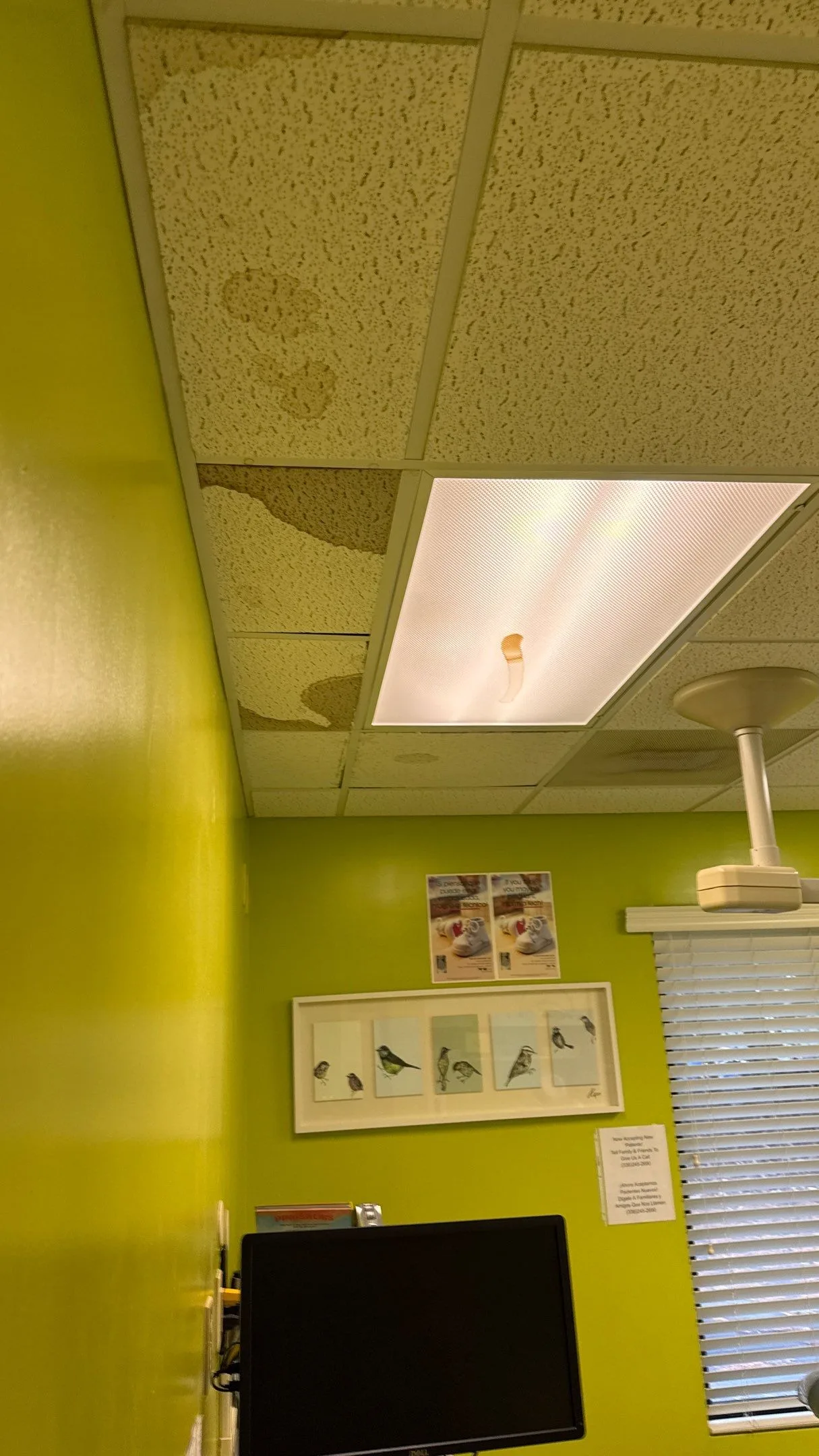
Healthcare Facility Roofing
Commercial roofing solutions designed to protect healthcare facilities, patients, staff, equipment and essential daily operations.
Trusted by commercial property owners to deliver honest repair recommendations that help extend roof life and reduce unnecessary replacement costs.
Commercial Roofing Solutions for Healthcare Facilities
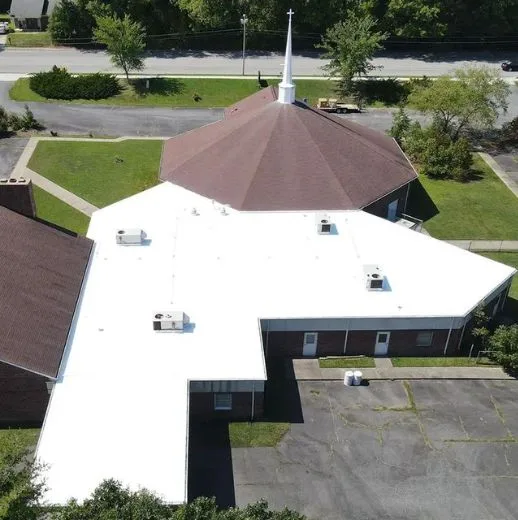
Healthcare facilities require reliable roofing systems to protect patients, staff, visitors, equipment and occupied interior spaces. Whether the property is a medical office, clinic, hospital or larger healthcare facility, roofing issues can affect more than the condition of the building.
Roof leaks, drainage problems and aging roofing systems can create concerns for ceilings, walls, patient areas and sensitive equipment. Addressing roofing issues early can help reduce the risk of more extensive damage and unnecessary disruption to essential facility operations.
Sunny Sky Roofing provides commercial roofing solutions based on the condition of the existing roof and the specific requirements of the healthcare property. Whether your facility needs targeted repairs, restoration, replacement or ongoing maintenance, the appropriate solution should support both the condition of the roof and the operational needs of the facility.
Common Roofing Challenges for Healthcare Facilities
Roof Leaks
Water intrusion can affect ceilings, walls, patient areas and occupied spaces. Identifying and addressing leaks early can help prevent more extensive interior damage.
Ponding Water
Poor drainage can allow water to remain on low-slope roof areas. Over time, standing water may contribute to membrane deterioration and additional roofing concerns.
Membrane Damage
Commercial roofing membranes, seams and flashing can deteriorate over time. Damage in these areas may create potential entry points for water.
Aging Roofing Systems
Older roofing systems may begin to show signs of surface wear, seam deterioration and reduced protection. Depending on the overall condition, the roof may require repairs, restoration or replacement.
HVAC & Rooftop Equipment
HVAC, ventilation systems and other rooftop equipment can create vulnerable areas around roof penetrations. Damaged seals or flashing may increase the risk of water intrusion.
Weather Damage
Wind, hail, heavy rain and severe weather can affect commercial roofing systems. Early inspections can help identify damage before it develops into a larger problem.
Commercial Roofing Services for Healthcare Facilities
Roofing Systems for Healthcare Facilities
Choosing the right roofing system for a healthcare facility depends on the building design, existing roof condition, drainage requirements, operational needs, budget and long-term maintenance requirements.
The right roofing system depends on the existing roof, building requirements, roof condition, drainage, operational needs, budget and future maintenance requirements.
TPO Roofing
TPO roofing can be suitable for healthcare facilities with extensive low-slope roof areas. The membrane system provides practical protection across large commercial roof surfaces.
Metal Roofing
Metal roofing can be appropriate for certain healthcare properties that require long-term durability and strong resistance to weather exposure. The suitability of the system depends on the building design and structural requirements.
Spray Foam Roofing
Spray foam roofing may be beneficial where a seamless roofing system and additional insulation are important considerations. Depending on the condition of the existing roof, it may also be suitable for application over certain existing roofing systems.
Roof Restoration
Roof restoration may be preferable when the existing roof remains structurally sound but requires additional protection. A restoration system can help extend the useful life of the roof without always requiring complete replacement.
The right roofing system depends on the existing roof, building requirements, roof condition, drainage, operational needs, budget and future maintenance requirements.
Does Your Healthcare Facility Need Repair, Restoration, or Replacement?
Not every roofing issue requires the same solution. The appropriate approach depends on the extent of the damage, the condition of the existing roof and the long-term needs of the healthcare facility.
Situation
Isolated leak
Localized membrane damage
Aging but structurally sound roof
Widespread deterioration
Repeated leaks
Major storm damage
Potential Solution
Roof repair
Repair
Restoration
Replacement
Inspection + evaluation
Inspection + repair/replacement assessment
Minimise Disruption to Healthcare Operations
Roofing work should be planned around the operational requirements of the healthcare facility whenever possible. Maintaining access, protecting occupied spaces and reducing disruption to essential operations can be an important part of the project.
Scheduling Around Facility Operations
Roofing work can be planned around facility schedules and important operational activities to help reduce unnecessary disruption to patients, staff and visitors.
Phased Roofing Projects
For larger healthcare facilities, roofing work may be completed in phases so improvements can be carried out across sections of the property rather than affecting the entire facility at once.
Protecting Sensitive Equipment and Interiors
Careful planning can help reduce the risk of exposure to sensitive equipment, technology and occupied interior spaces during roofing repairs, restoration or replacement work.
Maintaining Safe Building Access
Entrances, walkways and other important access points can be considered when planning the roofing project to help keep the facility accessible where possible.
Coordinating With Facility Managers
Clear communication with facility managers and other key personnel helps ensure the roofing project is aligned with the operational needs and schedule of the property.
Minimising Operational Disruption
A well-planned commercial roofing project can help reduce unnecessary interruptions while important roofing work is completed.
Healthcare Facility Roof Maintenance
Regular maintenance can help identify developing roofing issues before they lead to more significant damage, leaks or unnecessary disruption to facility operations.
Routine Roof Inspections
Regular inspections help identify early signs of deterioration, damage and potential maintenance concerns. Scheduled inspections can help facility managers address issues before they become more extensive repairs.
Drainage and Water Flow
Drains, gutters and other drainage components should be checked to ensure water can move away from the roof properly. Blockages and poor drainage can contribute to ponding water and premature roof deterioration.
Flashing and Seams
Flashing, seams and other vulnerable areas should be inspected for signs of separation, damage or deterioration. These areas can become common points for water intrusion when not properly maintained.
Roof Penetrations
Areas around vents, pipes, HVAC units and other roof penetrations should be inspected regularly. Maintaining these areas can help identify potential gaps or damaged seals before leaks develop.
Critical Rooftop Equipment
HVAC, ventilation and other rooftop systems can affect the surrounding roofing materials. Regular inspections can help identify damage caused by maintenance access, foot traffic or equipment-related issues.
Post Storm Inspections
After severe weather, the roof should be inspected for visible damage, debris, punctures or other issues that may affect its performance. Early assessment can help prevent minor storm damage from developing into larger problems.
Preventive Roof Repairs
Addressing minor damage early can help reduce the risk of more extensive deterioration. Preventive repairs may help extend the service life of the existing roofing system and reduce unexpected repair costs.
Healthcare Facility Roofing Projects
Commercial Roof Repair Lexington NC | Prevent
Commercial roof repair in Lexington NC for flat and metal roofing systems. Learn how...
Read MoreSpray Foam Roof Repair in High Point,
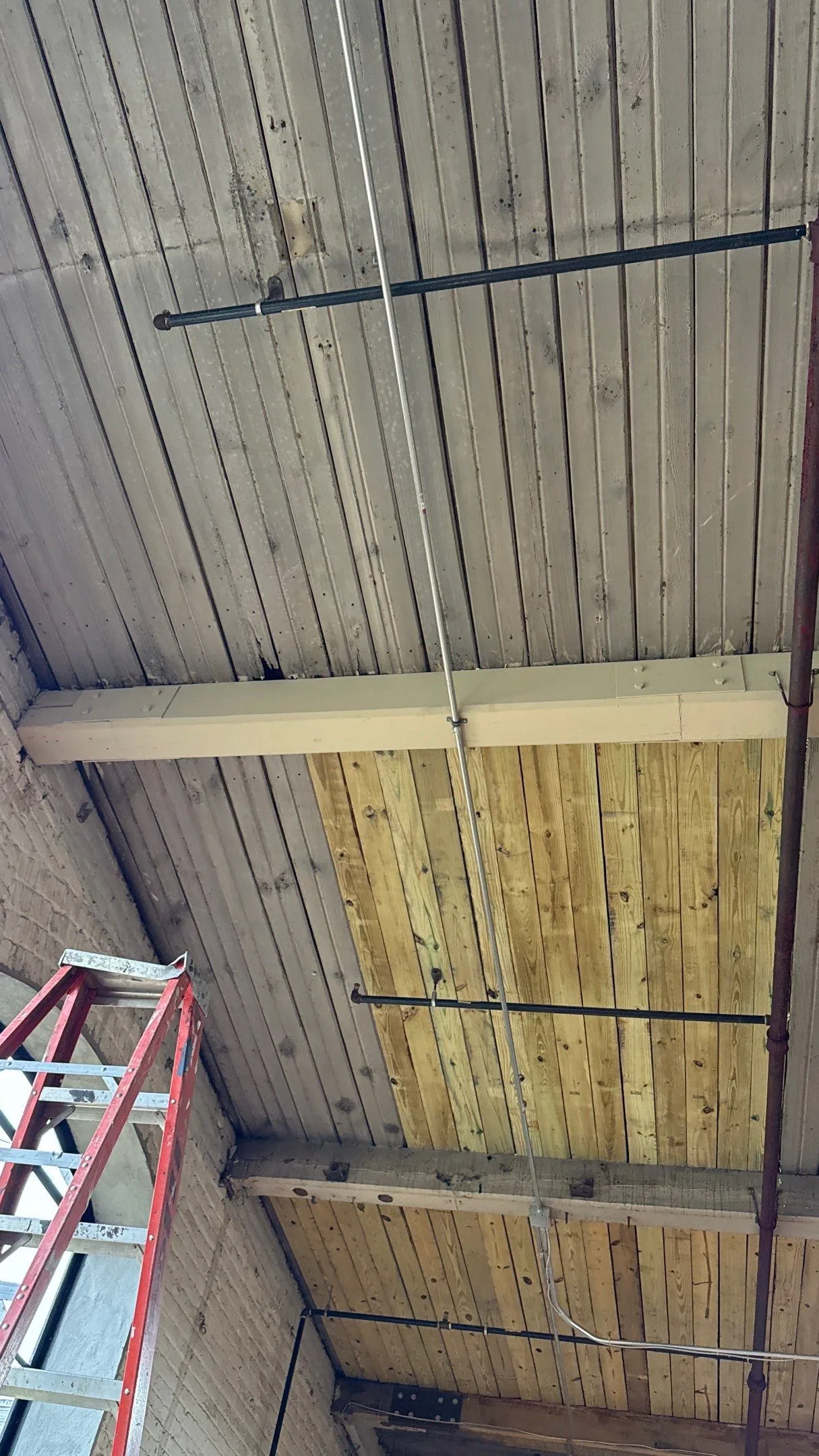
A High Point commercial building on Mill Ave required extensive spray foam roof repair...
Read MoreEPDM Membrane Restoration on West A St
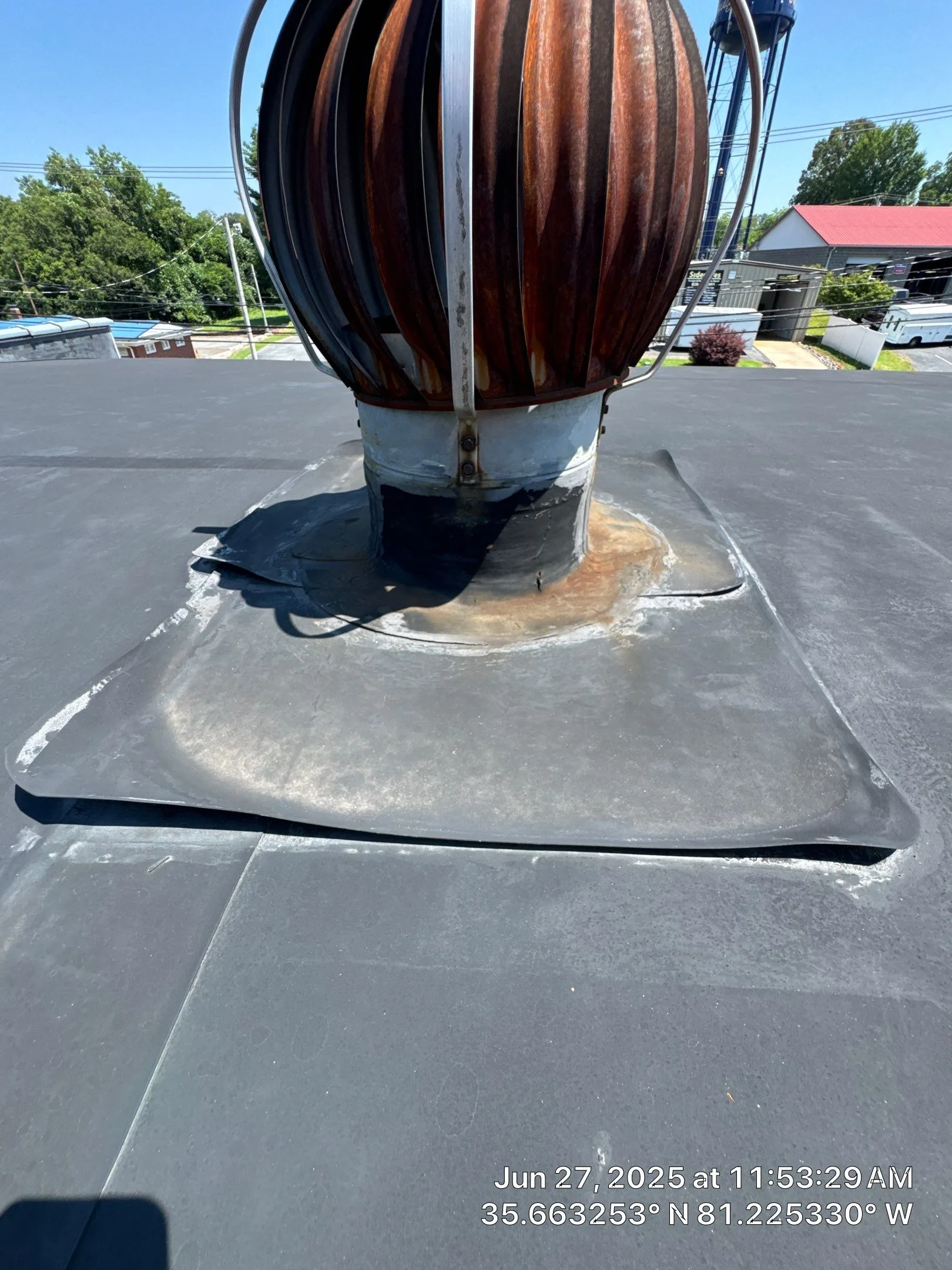
Sunny Sky Roofing restored an aging EPDM roof in Newton, NC with fabric-reinforced seam...
Read MoreMetal Roof Restoration in Kernersville NC: Furlong
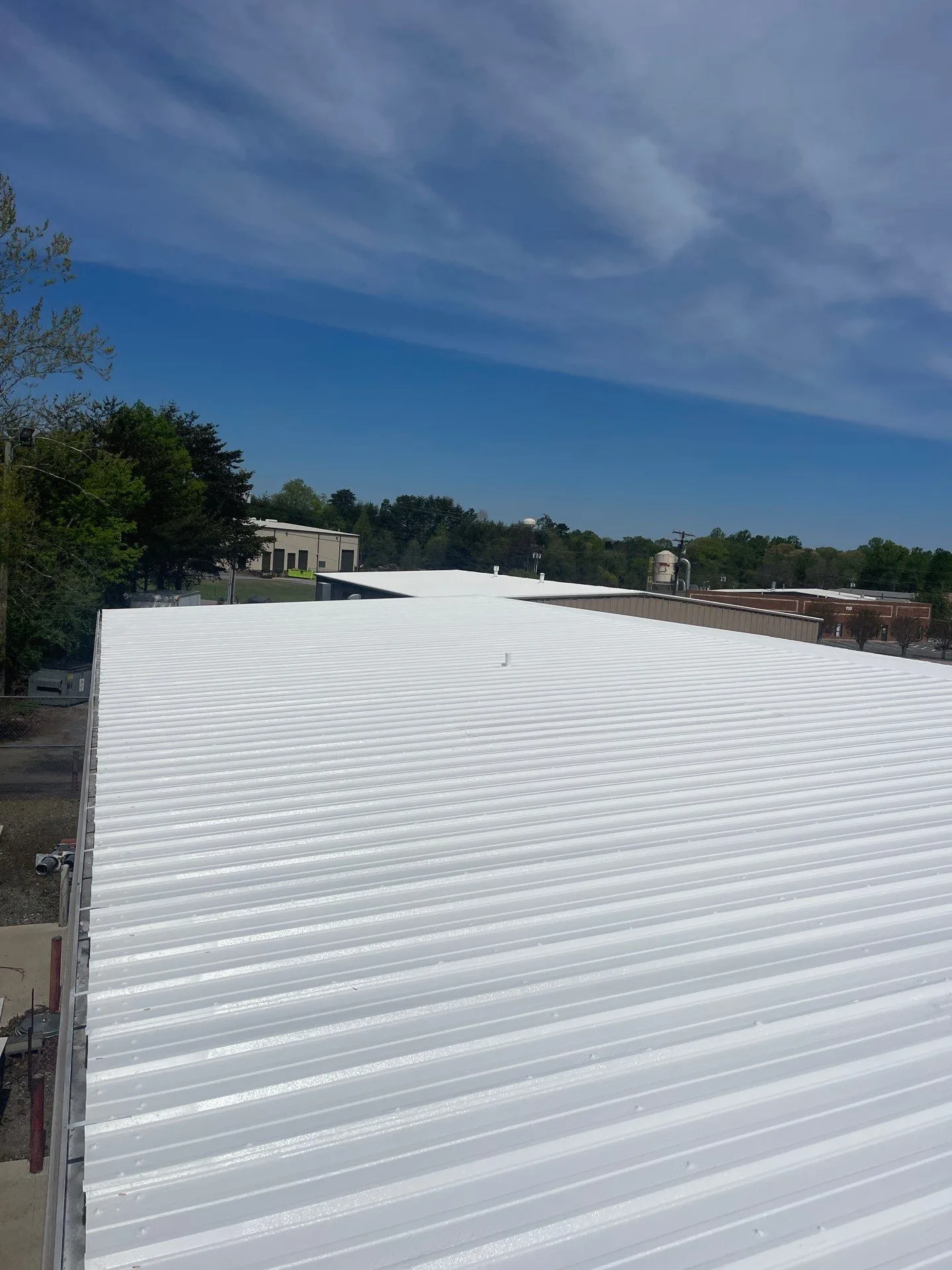
Sunny Sky Roofing completed a comprehensive metal roof restoration on Furlong Industrial Drive in...
Read MoreCustom Roof Curb Installation in High Point
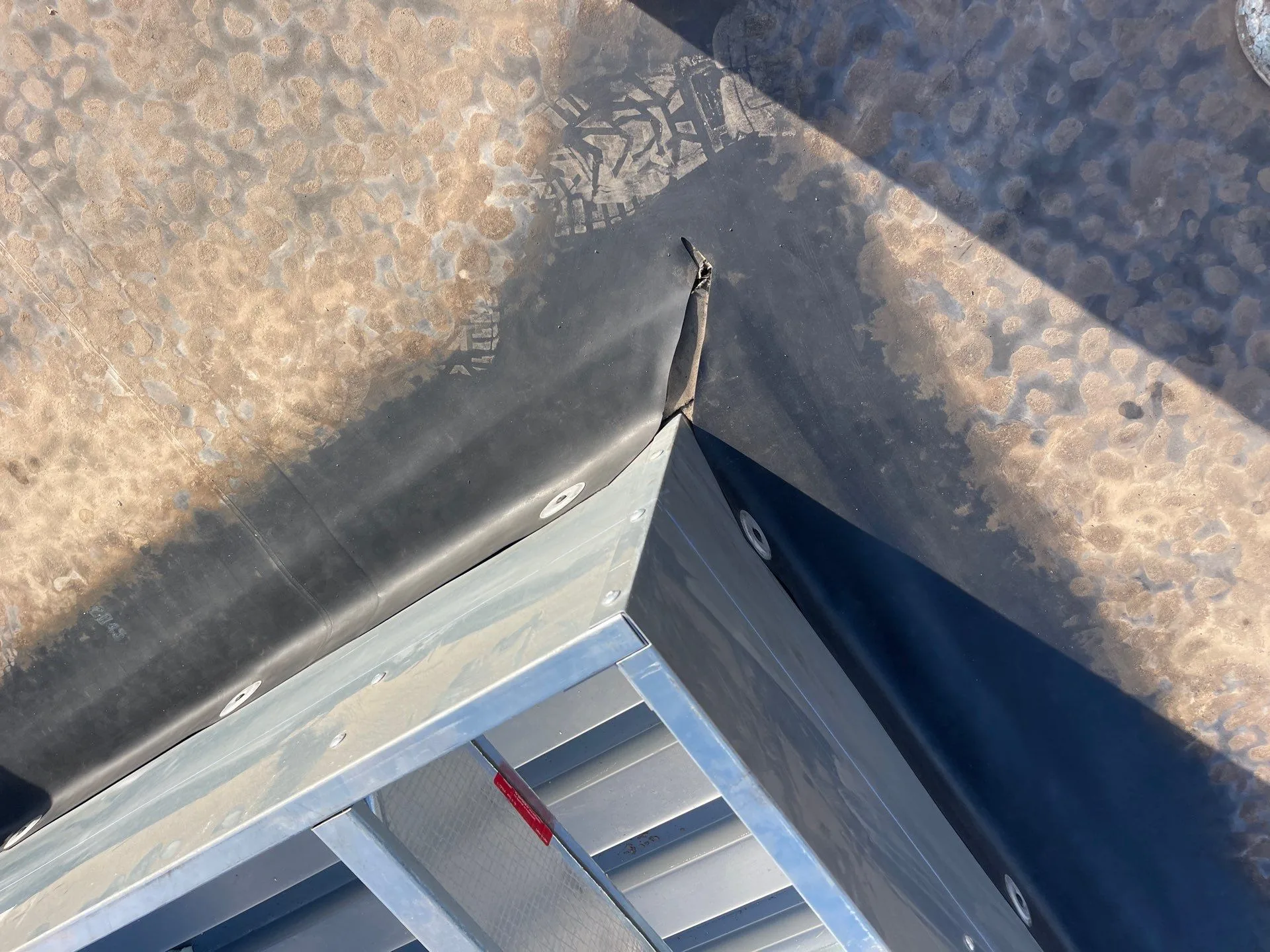
A commercial building owner in High Point, NC needed multiple roof curbs installed for...
Read MoreTPO Roofing Greensboro NC — Sunny Sky
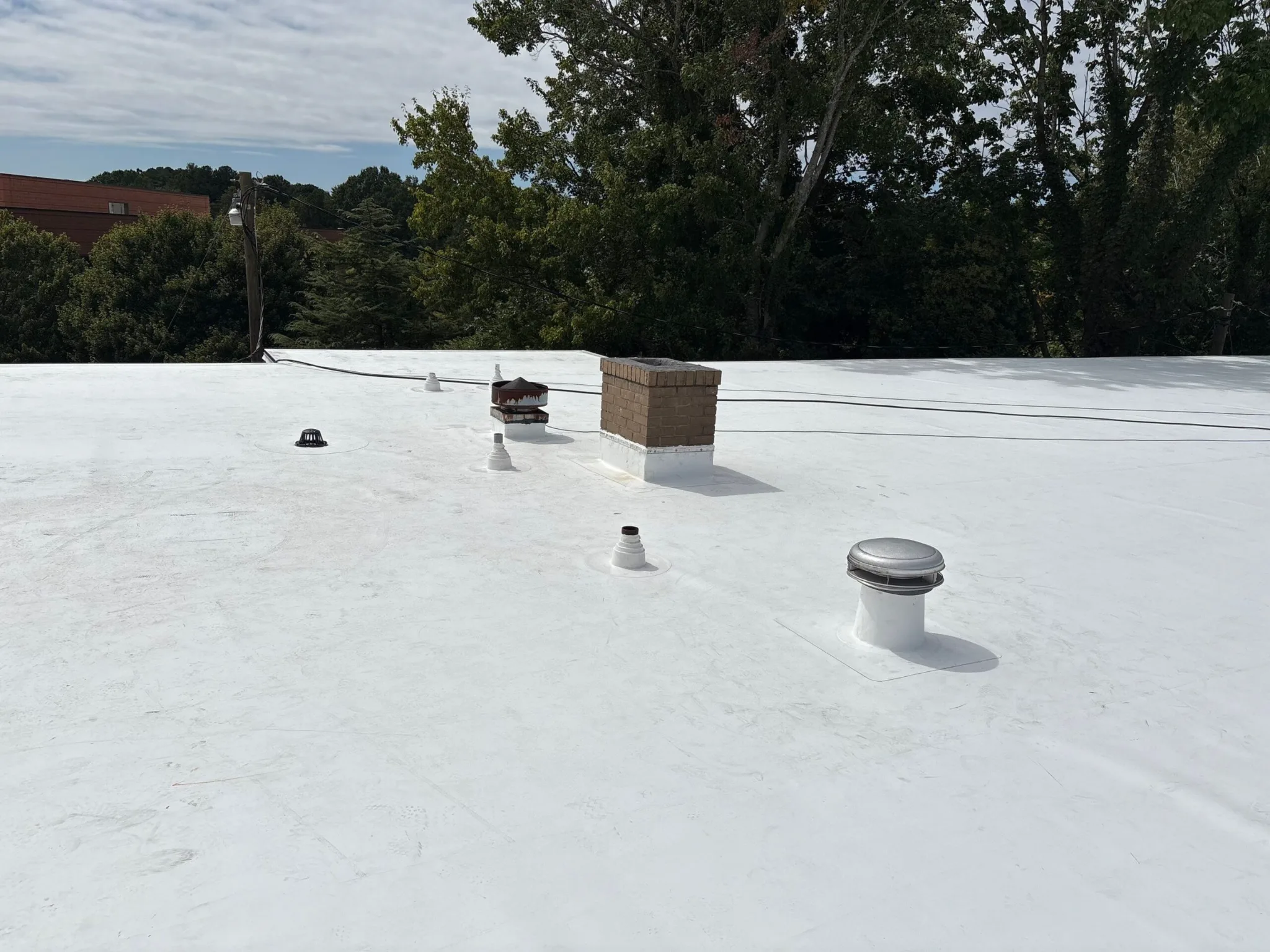
Sunny Sky Roofing replaced a leaking EPDM roof with a new 60-mil TPO system...
Read MoreServing Industries Across North Carolinaa
Sunny Sky Roofing provides commercial roofing solutions for a wide range of industries and facilities across North Carolina. Explore the industries we serve and find roofing solutions designed for the specific needs of your commercial property.
Not Sure If Your Roof Needs Repair or Replacement?
Every commercial roof is different. That’s why every project begins with a free roof assessment. We’ll evaluate your roof and recommend whether repair, restoration, or replacement is the best long-term solution for your building.
No pressure. No unnecessary replacements. Just honest recommendations.
- Free Commercial Roof Assessment
- No-Obligation Recommendations
- Fast Quote Turnaround
Your Free Roof Assessment Includes
- Comprehensive Roof Condition Assessment
- Leak & Moisture Inspection
- Existing Roofing System Evaluation
- Repair & Replacement Recommendations
- Written Estimate with No Obligation
In many cases, yes. Roofing projects can be carefully planned around patient care, staff access, emergency routes, visitor areas, and daily facility operations to help minimise disruption.
Careful planning is essential. Work can be coordinated around sensitive areas, building access, noise concerns, equipment locations, and operational schedules while maintaining appropriate safety procedures.
The right roofing system depends on the building design, drainage requirements, existing roof condition, rooftop equipment, and long term maintenance needs. TPO, PVC, and other commercial roofing systems may be suitable depending on the facility.
Warning signs may include recurring leaks, water stains, ponding water, damaged membranes, deteriorating flashing, and frequent repair needs. A professional inspection can help determine the most appropriate solution.
Roof leaks can affect ceilings, electrical systems, insulation, medical equipment, and occupied areas. Addressing water intrusion early can help reduce the risk of more extensive property damage and operational disruption.
Yes, with proper planning and coordination. Roofing work should consider the location of sensitive equipment, ventilation systems, and occupied areas to reduce unnecessary disruption and protect the facility.
Commercial roofs should generally be inspected regularly, including after severe weather events. Routine inspections can help identify drainage issues, membrane damage, flashing problems, and developing leaks early.
Yes. If the damage is isolated and the rest of the roofing system remains in good condition, targeted repairs may be possible. A complete roof assessment can help determine whether repair or a larger roofing solution is needed.
Yes. Regular maintenance can help address minor issues before they become more serious, potentially extending the service life of the roof and reducing unexpected repair needs.
Answers To Common Questions
We understand that you may have questions about our commercial roof repair services, and we're here to help. Below, you'll find answers to some of the most common questions we receive from our clients regarding metal roof repairs. If you have any other questions or need further assistance, please don't hesitate to give us a call. Our team is ready to provide you with the information and support you need.
We repair a variety of commercial roofs, including metal, membrane, spray foam, and TPO & Flexion roofs. Our team has the expertise to handle diverse roofing systems and materials.
Common signs include leaks, water stains on ceilings, visible damage to roofing materials, increased energy bills, and sagging roof areas. Regular inspections can help identify issues early.
It's recommended to have your roof inspected twice a year, in the spring and fall, and after any major weather events to ensure early detection of potential problems.
Yes, we offer free consultations to assess your roofing needs and provide customized solutions tailored to your specific requirements.


