High Point sits right in the heart of North Carolina’s furniture manufacturing belt, and we’ve worked on more metal roofs covering warehouses, distribution centers, and commercial buildings here than we can count. The metal roofs protecting these facilities face a challenge most business owners don’t know about until water starts dripping onto inventory: metal roofs move. A lot. Temperature swings, seasonal expansion and contraction, and wind uplift create constant movement at every seam, transition, and penetration. When you need metal roof repair High Point NC business owners can trust, you need someone who understands this movement and knows how to create repairs that flex with the roof instead of fighting against it.
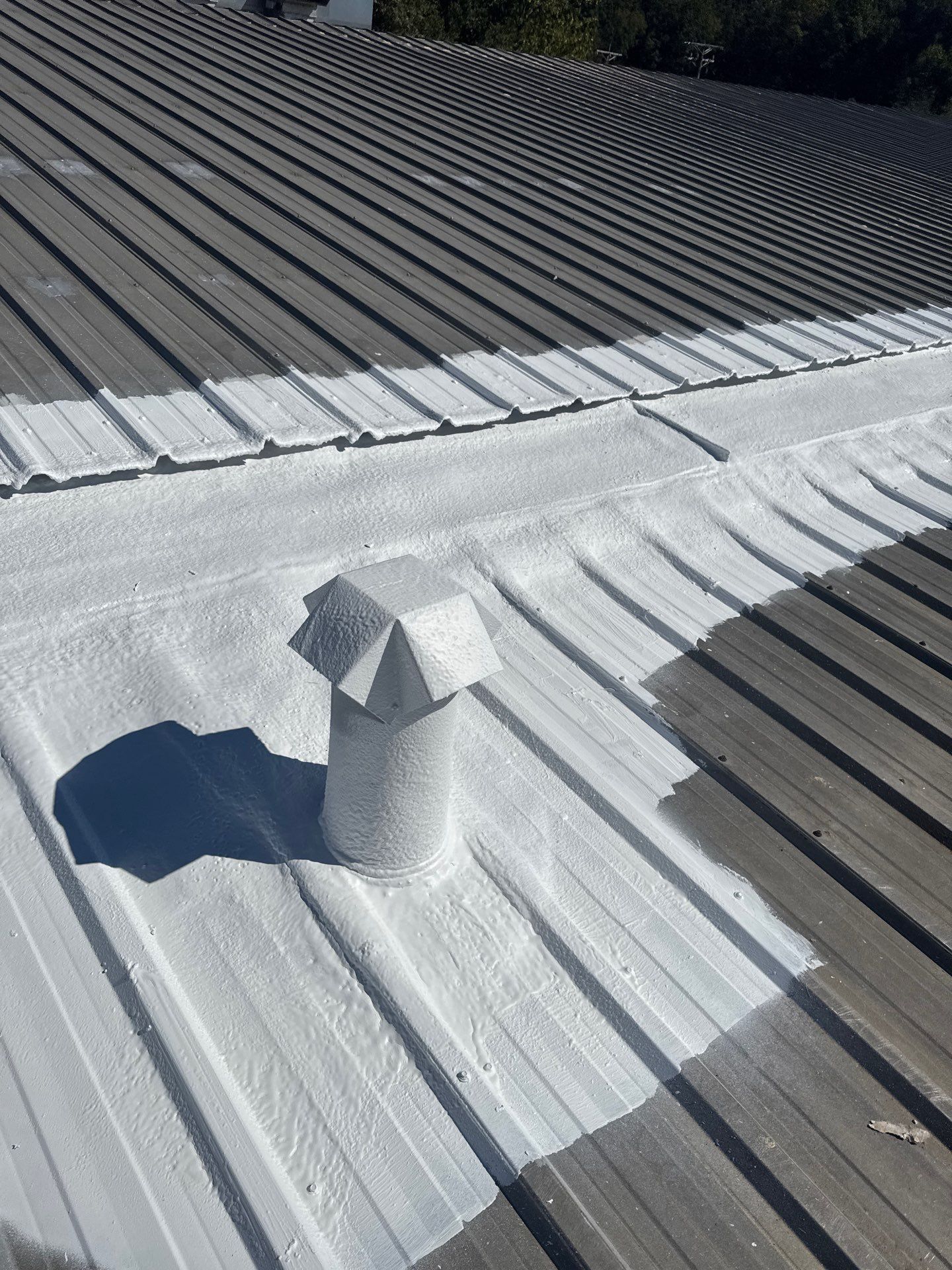
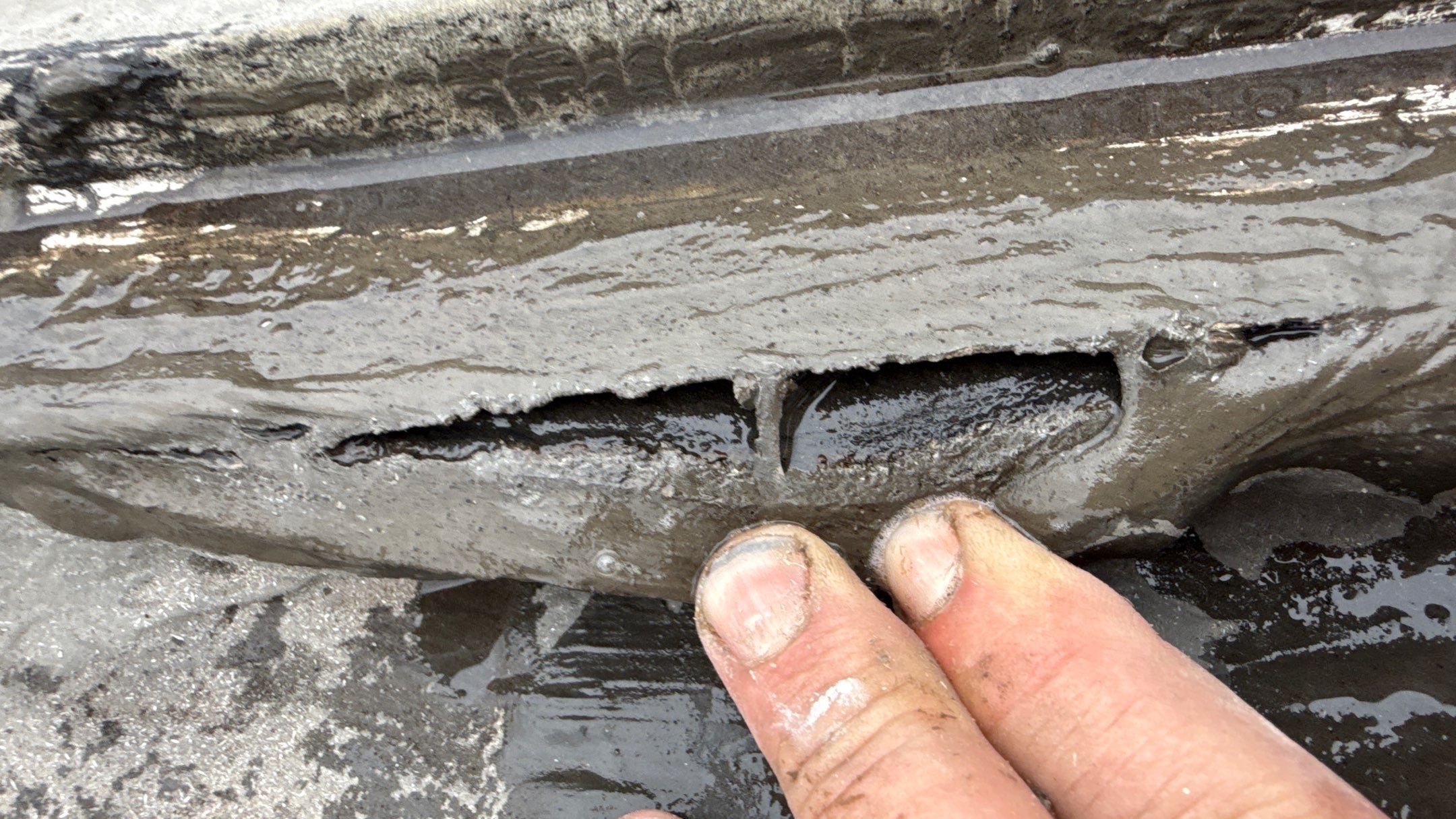
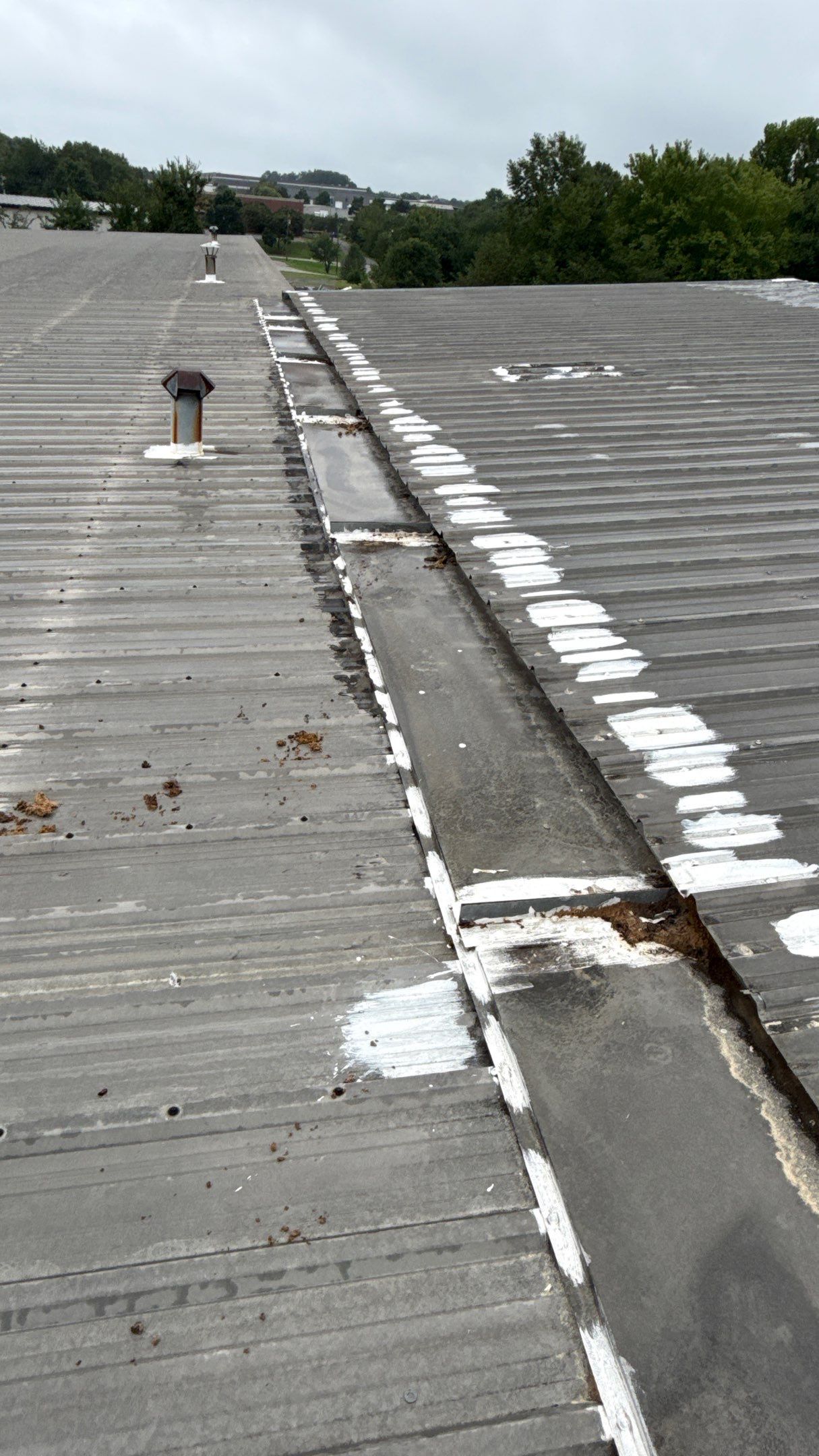
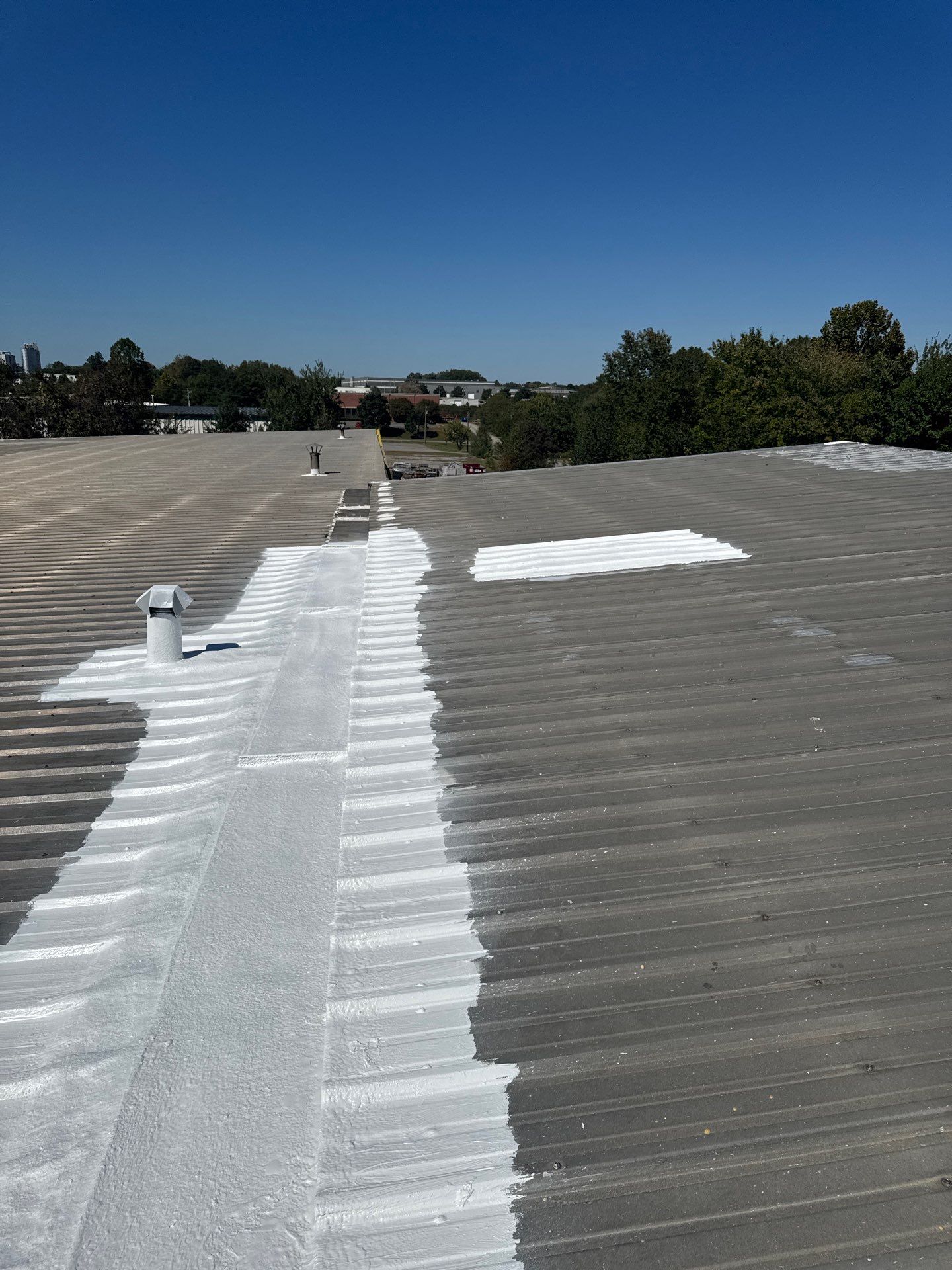
What We Found on This Statesville Metal Roof
We got called out to a commercial building in Statesville with sporadic leaks that the owner couldn’t pin down. Some days it rained and nothing happened. Other times, a light drizzle would send water streaming through the ceiling. That’s the signature of a transition leak on a metal roof.
The problem areas were at roof transitions — where one plane of metal meets another at a different angle or elevation. These spots move more than flat runs of metal because they’re dealing with stress from two directions. We found failed closures where the metal panels met the transition flashing, and the repeated expansion and contraction had opened up gaps. Water wasn’t pouring through every time because the gaps would open and close depending on temperature and wind pressure.
The leaking had already damaged insulation underneath. By the time you see water inside your building, it’s been traveling through insulation, across purlins, and finding the path of least resistance. The actual entry point might be twenty feet away from where you see the drip.
Why Metal Roof Movement Causes Problems for High Point NC Properties
Metal expands when it heats up and contracts when it cools down. On a summer afternoon in High Point, a white metal roof might hit 160 degrees. Overnight it drops to 70. That’s a 90-degree temperature swing, and metal moves considerably across that range.
A dark metal roof can reach 180 degrees or more. The metal panels are screwed down at specific points, but between those fasteners, the metal is shifting. At transitions, valleys, and direction changes, that movement concentrates. The closures and flashing that seal those transitions have to accommodate the movement, or they’ll eventually separate.
Most metal roof systems account for this in their design. Fasteners have neoprene washers that allow some movement. Seams are designed with expansion tolerance. But over years of thermal cycling, things break down. Sealants dry out and crack. Fasteners back out slightly. Closures that were tight in year one have gaps in year fifteen.
Wind adds another layer of stress. Even on a calm day, there’s uplift pressure on a metal roof. During storms, panels flex and rack. Transitions take the brunt of that stress because they’re already the mechanical weak point in the system.
Our Metal Roof Repair services focus on creating flexible, permanent solutions at these high-stress areas instead of slapping tar or caulk on the problem and hoping it holds.
The Metal Roof Repair Process We Used in Statesville
We started by identifying every transition and penetration point that showed signs of movement damage. At the failed closures, we removed the old sealant and closure strips that had separated from the metal. You can’t just add more sealant on top of failed material — you’re building on a bad foundation.
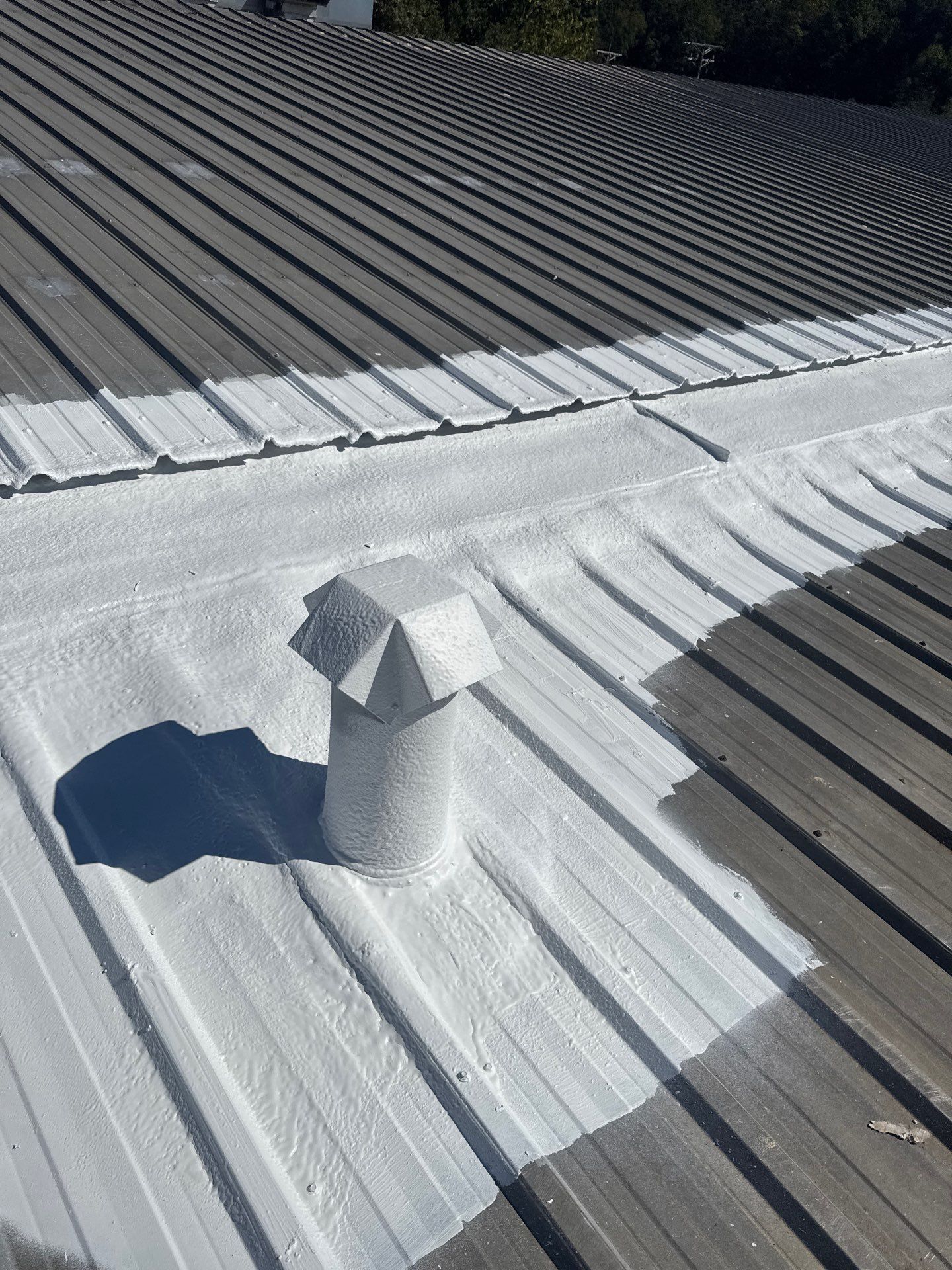
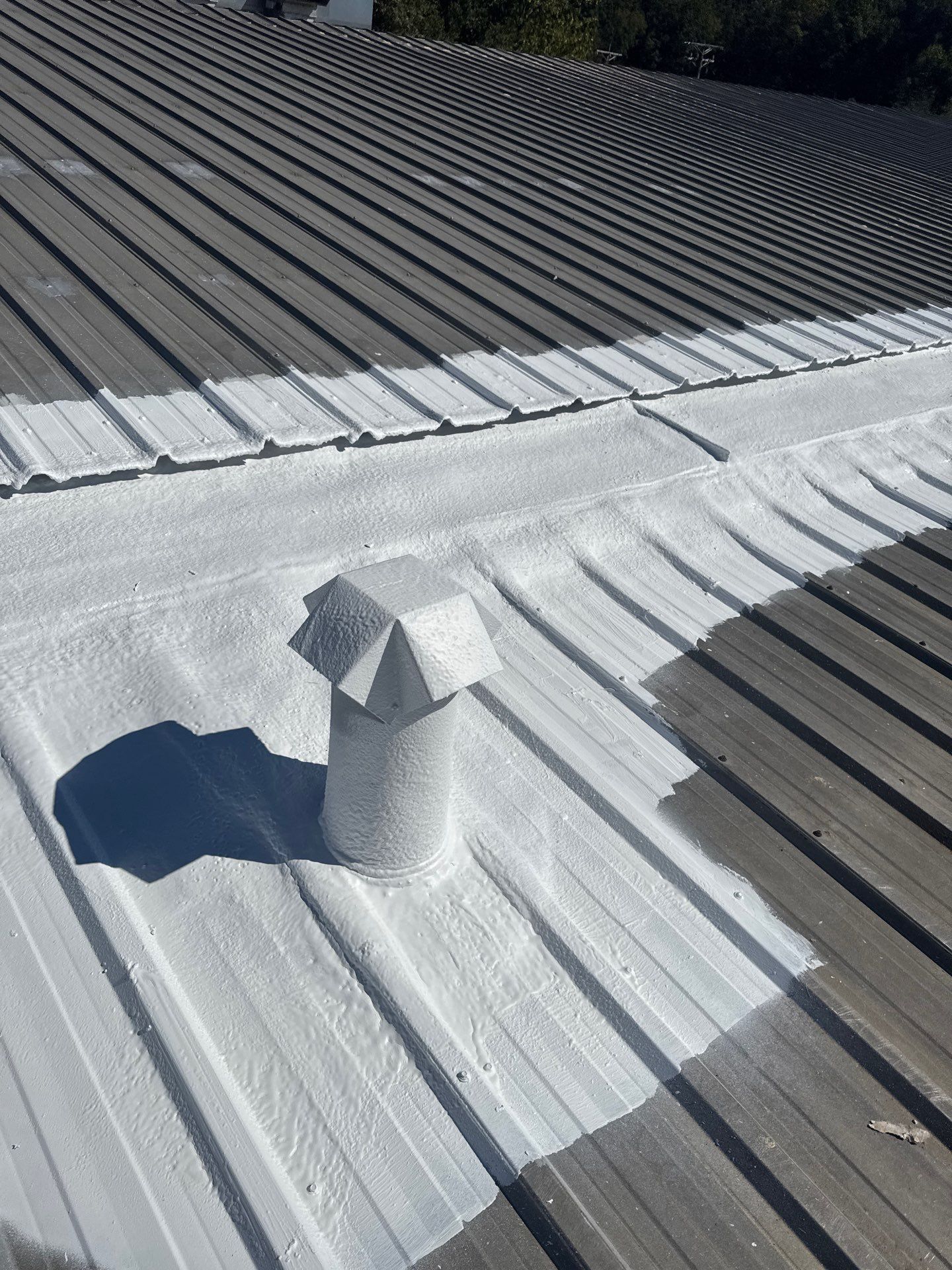
For the transition repairs, we used spray foam specifically designed for metal roofing applications. This wasn’t insulation foam from a hardware store. This is a closed-cell polyurethane foam that bonds to metal, stays flexible, and creates a waterproof membrane that moves with the roof. We applied it at the transitions where the metal planes met, building up the foam to create a continuous seal that bridges the gap and accommodates future movement.
The foam bonds chemically to clean metal and flashing. Once it cures, it flexes with thermal expansion instead of cracking like rigid sealants. We shaped and tapered the foam to shed water away from the vulnerable areas and coated the exposed foam with an elastomeric coating that protects it from UV degradation.
The work took two days in good weather. We can’t apply foam in rain or when temperatures drop below the manufacturer’s minimum, so timing matters. The building owner scheduled it during a dry forecast window, and we knocked it out efficiently.
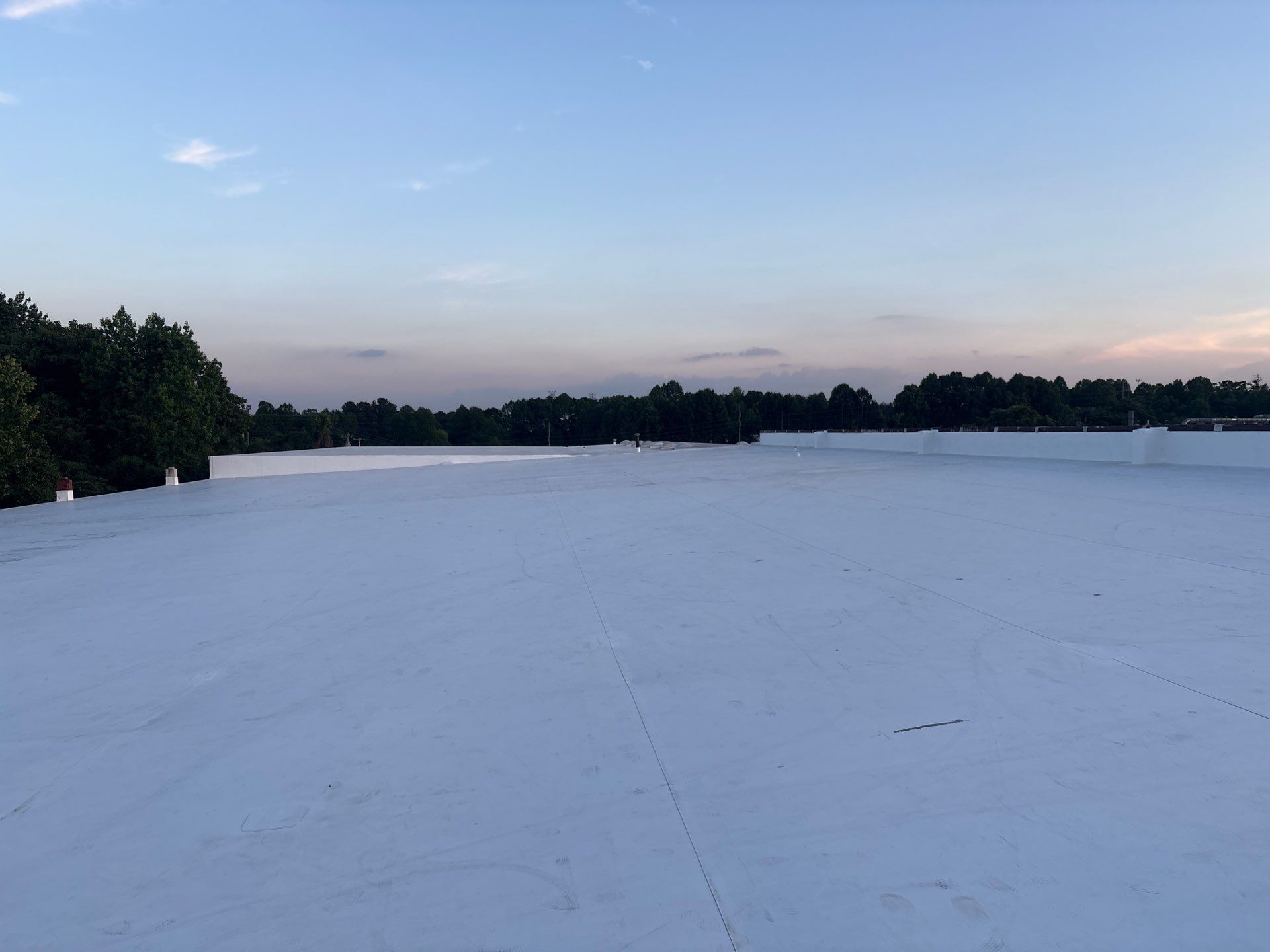
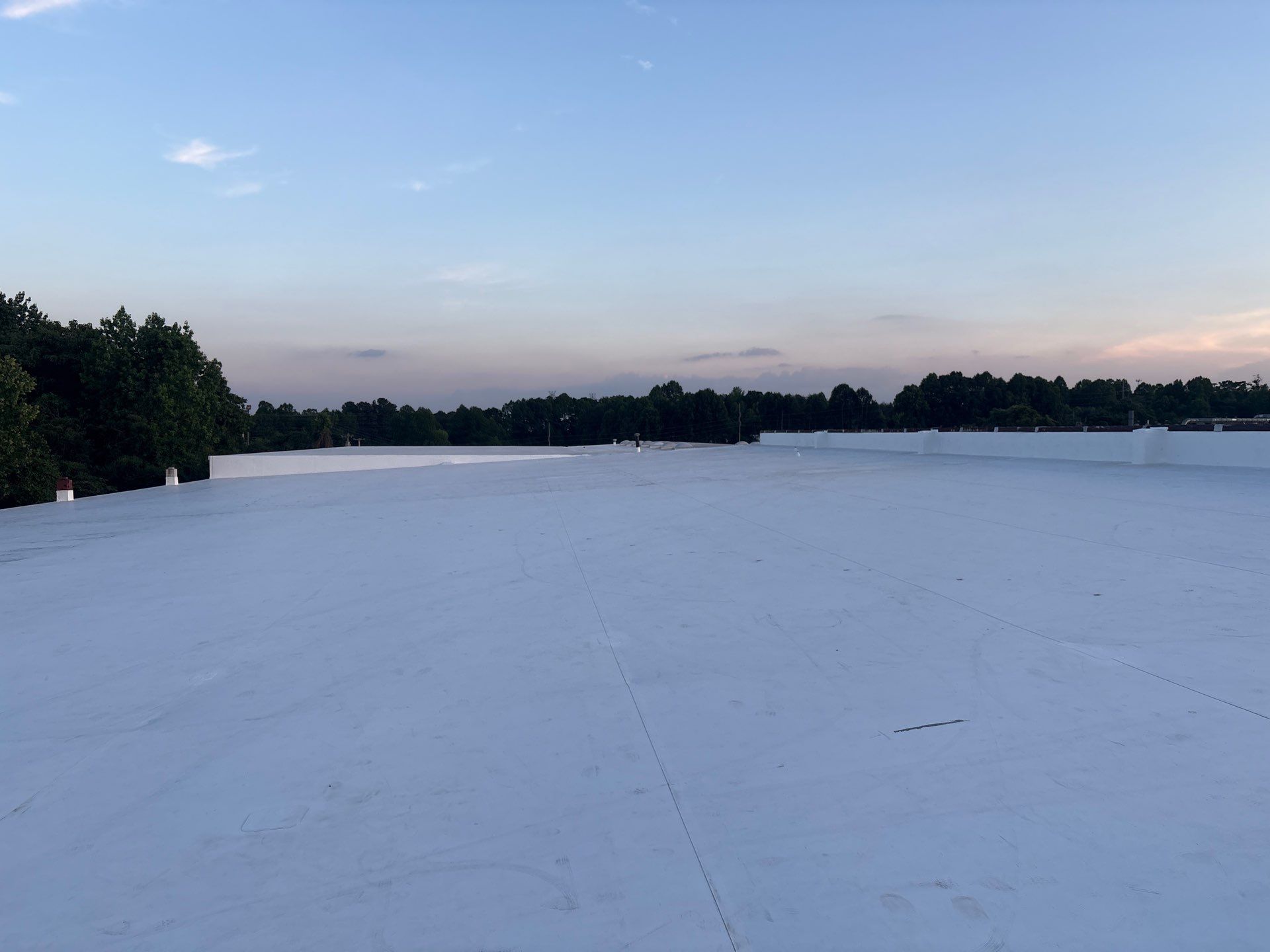
This approach is more cost-effective than replacing sections of metal roofing or attempting a full restoration when only specific transition areas are failing. You’re fixing the actual problem zones instead of overhauling the entire roof.
Signs Your High Point Metal Roof Needs Repair
Watch for these indicators that your metal roof has movement-related damage:
- Intermittent leaks: Water appears during some storms but not others, or shows up hours after rain stops
- Leaks at transitions: Water damage near valleys, direction changes, or where roof planes meet walls
- Wet insulation: If you can access the underside of the roof deck, look for stained or compressed insulation
- Backed-out fasteners: Screws that have lifted slightly from the thermal cycling and wind pressure
- Separated closures: Gaps visible between closure strips and the metal panels at transitions
- Failed tar patches: Old tar repairs that have cracked, dried out, or separated from the metal
- Rust streaks: Rust developing under old sealant or patch material where moisture got trapped
- Daylight visible from inside: If you can see light through the roof deck, that roof has been leaking for years and the damage is extensive
Don’t wait until you see water inside. We recommend annual inspections at minimum for metal roofs over ten years old. If your building has HVAC units, pipe penetrations, or significant roof transitions, bi-annual inspections catch problems while they’re still manageable.
Why High Point Businesses Choose Sunny Sky Roofing for Metal Roof Repair High Point NC
Joe Yutzy started Sunny Sky Roofing LLC because he saw too many commercial building owners getting sold full roof replacements when targeted repairs would solve the problem. We’ve built our reputation on honest assessments and repairs that last.
When we evaluate your metal roof, we’re looking at the actual condition and the specific failure points. We don’t upsell you into work you don’t need. If your metal roof has fifteen years of life left but needs transition repairs, we tell you that. If the roof is genuinely at the end of its service life, we tell you that too.
We use commercial-grade materials designed for metal roofing applications. The spray foam systems we install are tested and approved by industry standards, and we follow manufacturer specifications exactly. Our work comes with documentation and warranty coverage that protects your investment.
We’ve worked on commercial roofing in High Point for years, and we understand the local building stock. We know which roof systems were popular in different construction eras and where their common failure points develop. That experience means we spot problems faster and fix them right the first time.
The National Roofing Contractors Association publishes guidelines for metal roof maintenance and repair that emphasize the importance of addressing movement-related issues before they compromise the entire roof system. You can read more about commercial metal roofing standards at the NRCA website.
Understanding Metal Roof Repair Costs and Value
Repairing transition zones and movement-related damage is a smarter long-term investment than ignoring the problem or attempting temporary fixes with caulk and tar. Tar patches might hold for a season, but tar dries out, cracks as the metal moves, and actually traps moisture against the metal. You end up with accelerated rust underneath the patch.
Professional spray foam repairs that accommodate movement last for decades when properly installed. You’re paying once for a permanent solution instead of paying repeatedly for temporary patches that fail.
The cost depends on how much damage exists and how many transition areas need attention. A building with multiple roof planes and elevation changes will have more vulnerable zones than a simple gable roof. The extent of insulation damage matters too — if we need to remove and replace wet insulation, that adds to the scope.
We provide detailed estimates that break down what we’re fixing and why. You’ll know exactly what you’re paying for and what results to expect.
How We Protect Your Building During Repairs
Metal roof repairs don’t require tearing off large sections of roofing or exposing your building interior to weather. We work from the exterior, accessing the problem areas with proper fall protection and safety equipment.
If we need to remove failed closures or flashing, we coordinate with you to protect any sensitive operations below. For most transition repairs, the work happens entirely on the roof surface with no disruption to your daily business activities.
We schedule around weather forecasts to avoid mid-repair rain events. Once the spray foam cures — which happens within hours — the repair is watertight. We don’t leave vulnerable areas open overnight.
Clean-up is part of the job. We remove old materials, fasteners, and debris. Your property looks better after we leave than when we arrived.
Metal Roof Maintenance After Repairs
Once we’ve repaired the transition zones and movement-related damage, your metal roof needs ongoing attention to catch new problems early. We recommend annual inspections at minimum for all commercial metal roofs.
During an inspection, we check fastener tightness, examine seams and transitions for new separation, look for rust development, and verify that previous repairs are still performing. We also clear debris from valleys and gutters, because standing water accelerates metal deterioration.
Buildings with heavy tree coverage should get bi-annual inspections. Leaves and organic debris trap moisture against metal and create localized corrosion. Falling branches can dent metal panels and damage flashing.
A good maintenance program extends the life of your metal roof by decades. The service life difference between a neglected metal roof and a maintained one is dramatic. Regular inspections and minor repairs prevent the major failures that require expensive emergency work.
If you want to establish a maintenance schedule, contact us and we’ll set up a program tailored to your building’s specific needs and roof configuration.
Why does my metal roof only leak sometimes and not during every rain?
Intermittent leaks are a classic sign of movement-related damage at transitions and seams. The gaps in failed closures or separated flashing open and close depending on temperature and wind pressure. During some storms, the metal contracts or the wind direction forces water into the gap. Other times, the gap is closed or the water runs past it. The leak is real and causing damage even when you don’t see water inside. These transition failures need professional repair because they’ll only get worse as the movement continues.
Can I just use roofing tar or caulk to seal metal roof transitions myself?
Tar and caulk are temporary fixes that often make the problem worse long-term. Tar dries out and cracks as the metal moves with temperature changes. Once it cracks, water gets underneath the tar and stays trapped against the metal, which accelerates rust. The metal continues moving, the tar continues cracking, and you’re back to leaking within months. Professional spray foam repairs stay flexible and move with the roof, creating a permanent waterproof seal that lasts for decades. You’ll spend less over time with one proper repair than with repeated temporary patches.
How often should I have my High Point metal roof inspected?
We recommend annual inspections at minimum for all commercial metal roofs. If your building has heavy tree coverage, multiple HVAC units, or significant roof penetrations, bi-annual inspections catch problems earlier. Metal roofs are durable, but they need attention to maintain that durability. Fasteners back out, sealants degrade, and transitions develop movement-related damage over time. An annual inspection costs far less than emergency repairs after water damages your inventory, equipment, or interior finishes. Regular maintenance extends your roof’s service life and prevents small problems from becoming expensive failures.
What’s the difference between metal roof repair and full replacement?
Most metal roof leaks are caused by failures at specific high-stress points like transitions, penetrations, and seams. If the metal panels themselves are in good condition, targeted repairs fix the problem and give you years of additional service life. Full replacement makes sense when the metal has widespread rust, the fastener pattern has failed across the entire roof, or the roof has reached the end of its designed service life. We provide honest assessments of actual roof condition and recommend the most cost-effective solution. Many buildings only need repairs at transition zones while the main roof field is fine for another decade or more.
Get Expert Metal Roof Repair in High Point Today
If your High Point commercial building has a metal roof with intermittent leaks, visible separation at transitions, or signs of movement damage, don’t wait for the problem to get worse. Transition failures and movement-related leaks damage insulation and building interiors the longer they’re ignored.
Sunny Sky Roofing LLC provides honest assessments and permanent repairs for metal roofs throughout High Point and the surrounding Piedmont region. We’ll evaluate your roof’s actual condition, identify the specific failure points, and recommend repairs that solve the problem without unnecessary work.
Call Joe Yutzy and the team at 336-523-2103 to schedule an inspection. We’ll give you a straightforward evaluation of what your High Point metal roof needs and a detailed estimate for the repair work. No sales pressure, no upselling — just straight talk from experienced commercial roofers who care about doing the job right.